



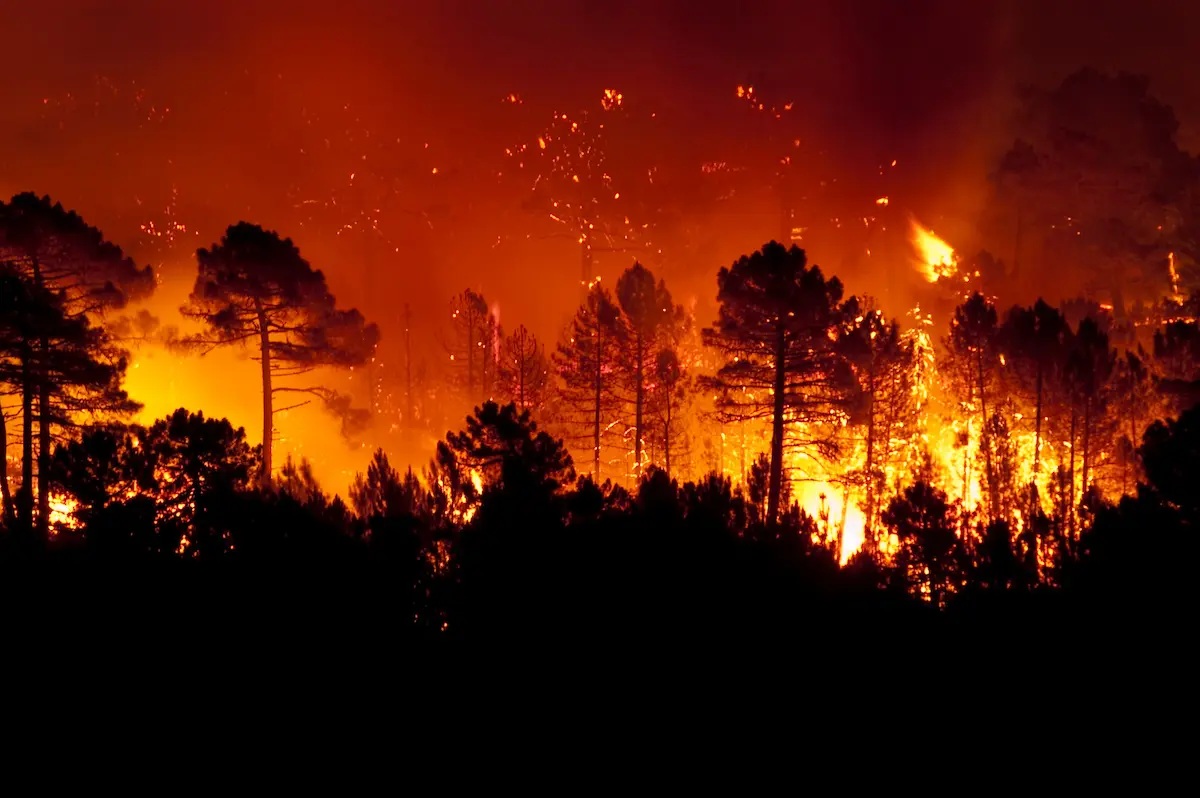

Kathmandu. Hazards such as wildfires, severe convective storms (SCS) and floods were responsible for 92 percent of insured property natural disaster losses worldwide in 2025. That’s $107 billion.
This is according to a study report prepared by the global reinsurance company Swiss Reil. Major damages include $40 billion from the Los Angeles fires and $51 billion from SCS.



By 2025, the global economic loss from natural disasters could reach $220 billion. Of those, 49 percent were insured. This is the highest ever. Still, the security gap in emerging economies remains significant.
According to Balz Grolimunkad, head of the Swiss Rima Catastrophe Perils, a lower-than-trend damage in 2025 reflects a positive change rather than a reduction in internal risk. “If losses return to long-term levels, they could total $148 billion in 2026, and insured losses could reach about $320 billion in high-loss scenarios,” he said. ’
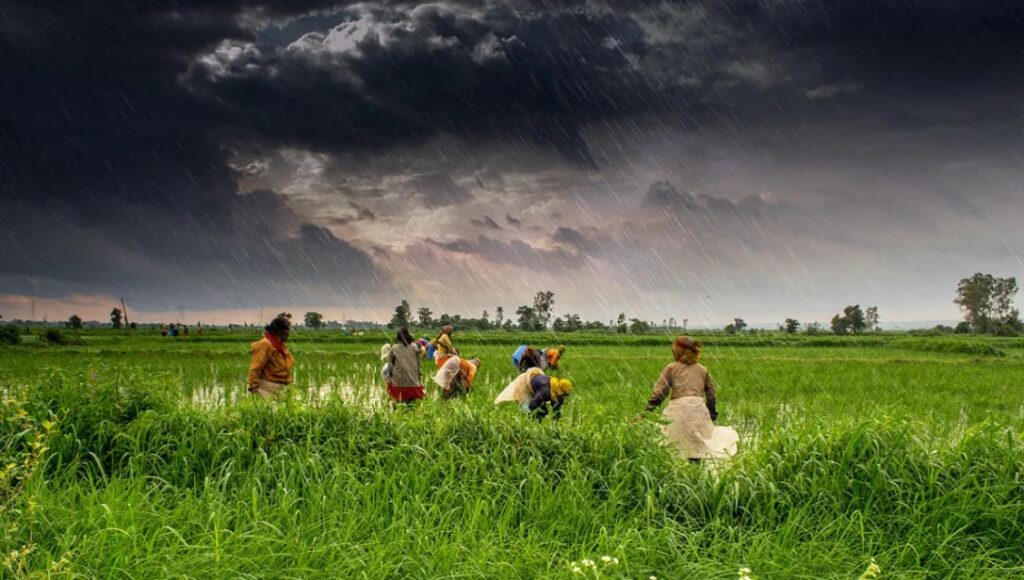
The reinsurance company also said that the increase in long-term risk is responsible for the more than 80 percent increase in weather-related insured property damage worldwide since 1970. In Asia, flood-related damage dominates the secondary risk increase. While North America is experiencing increasing damage from wildfires and SCS. Damage to Europe is mostly caused by SCS and Oceania experiences the combined effects of SCS and flooding.
Tropical cyclones contribute the most to the average annual damage. However, SCS is the main driver of historically insured property damage growth. That’s 38 percent of the total.
Swiss Reilly also warned that the growing risks were quickly causing damage. These risks include longer fire seasons in North America and changes in precipitation patterns, as well as changes in hurricane characteristics in Europe.
Jerome Jean Hagelly, chief economist at the Swiss Rhé Institute, said losses had been mounting for a long time. “Because a lot of valuable assets are being built in place of damage and the cost of rebuilding them is going up,” he said, “the risks to some areas and hazards are increasing rapidly.” Well-designed optimization and risk mitigation measures are needed to maintain insurance viability, keep coverage affordable, and address safety gaps. —Agency