



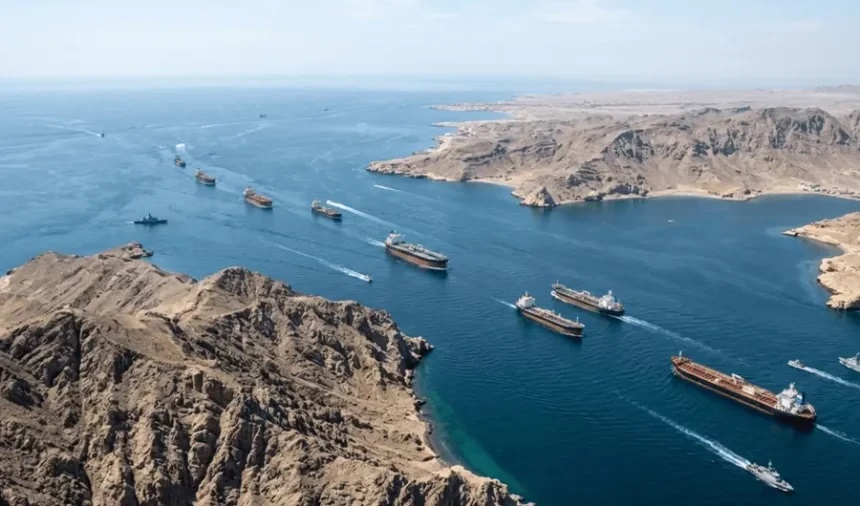

Kathmandu. The closure of the Strait of Hormuz is putting pressure on the global reinsurance market. The effects of which extend beyond maritime risks to energy, political violence and the broader macroeconomic situation.
The waterway, which handles about 20 percent of global oil supplies and a significant portion of liquefied natural gas shipments, has seen significant disruptions to shipping activity following the escalating conflict in the Middle East, according to a Hauden-Rico analysis. This has led to a sharp increase in war risk premiums and a rapid reassessment or withdrawal of insurance capacity across many lines.



According to Howden Rica, this situation is not limited to one type of business. However, it represents a significant stress test for the insurance and reinsurance sectors.
The immediate effects are being felt across the maritime, energy and political violence lines. However, if energy supply bottlenecks continue, there could be long-term risks through inflation, interest rates and capital pressures. The maritime war risk market has seen widespread cancellations and significant premium increases. The cover of which is kept on a per-trip basis.
In addition, energy insurers are facing increasing risks from potential infrastructure damage and trade disruptions to offshore, downstream and LNG assets in the Gulf region. There has been a surge in demand for political violence and terrorism insurance cover, especially for Western-run properties. Insurance companies have tightened underwriting standards and put more emphasis on risk integration.
Increasing risk assessments are also being conducted across aviation, cyber and trade-related lines as disruptions impact supply chains. Business credit and political risk insurance companies have reported limited losses so far. However, prolonged disruptions can increase the risk of default and nonpayment.
Howden Riley warned that credit and liquidity pressures could increase if the situation continues. This affects payment performance and contractual obligations in global trade. Despite these pressures, companies said the reinsurance market was well-capitalized and there was no sign of significant capacity shortages. –Agency