



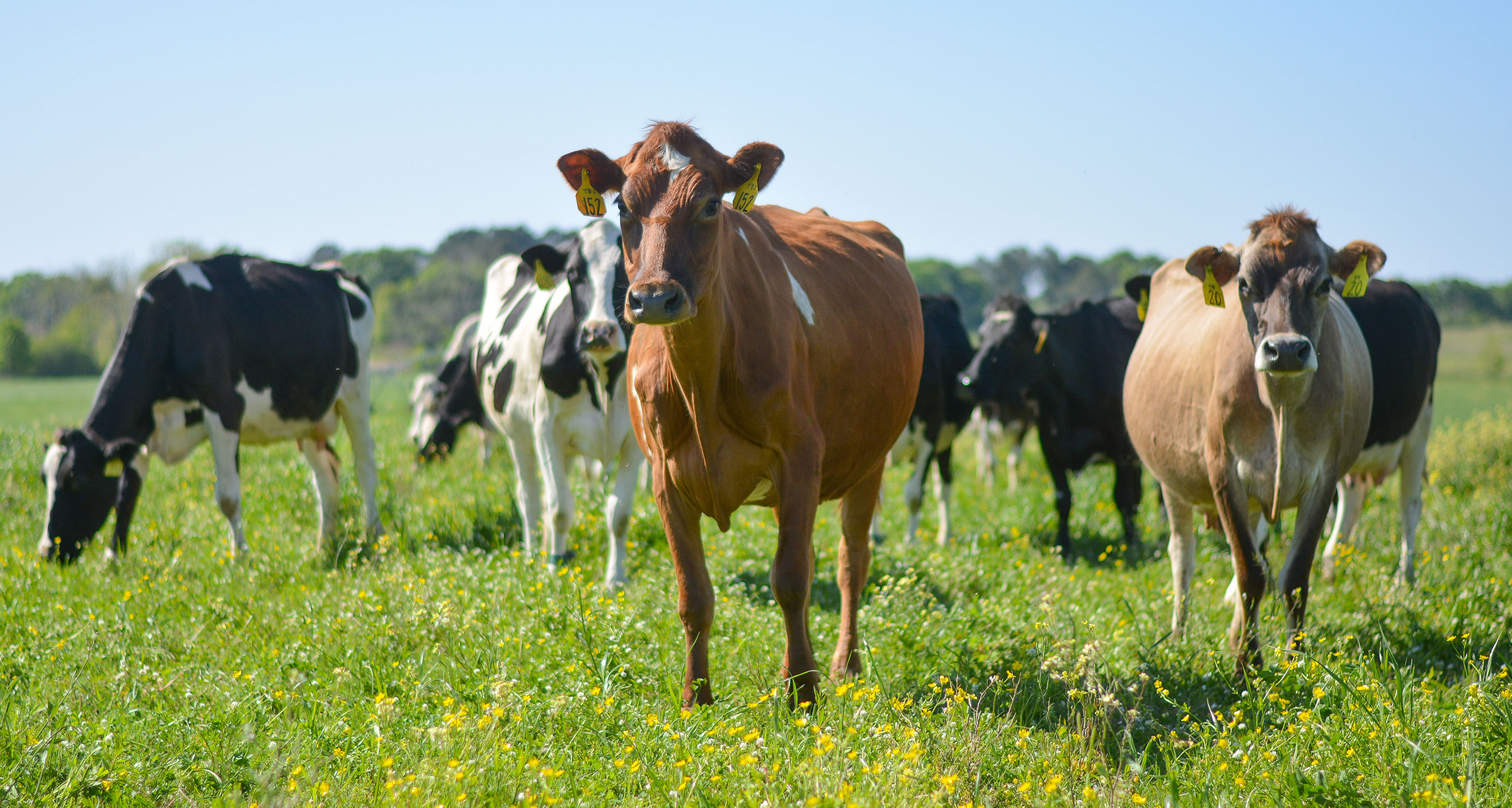

Kathmandu. The Department of Animal Services has advised the farmers to take adequate precautions as there is a risk of infection of various types of diseases in cattle including cattle during the year.
Issuing a weekly bulletin, the Department has advised the farmers to contact veterinary technicians on time by properly monitoring the movement, movement, etc. of the animals as there may be problems like wounds on the feet of the animals during the rainy season.



According to the Department, farmers have been warned to take available vaccines against lumpy skin disease by adopting biological precautionary measures before allowing the disease to occur in cattle in different parts of the country.
Because the bite of insects can cause leprosy (usually coffee-colored or red-colored urination, not burning blood on the surface when not stirred in a clean test tube or glass for half an hour from the urine), to protect the animals from worms, butox 2 ml per liter of water should be sprayed twice a week for 4 weeks.
Animals should not be taken for grazing in stagnant areas or wetlands where there is an outbreak of shellfish. Eating grass in those places can lead to disease. Therefore, animal health experts recommend that animals should be fed only by drying them in the sun before feeding them grass.
According to the Department, during the rainy season, the feed of animals should be stored by laying wooden planks slightly above the ground using tarpaulin or plastic to protect them from dew.
The number of insects such as mosquito shrimp, insects, straw etc. should be controlled by keeping healthy cattle mandatory vaccinated and regularly cleaning the sheds and farm premises and keeping them clean and tidy.
Aspects that farmers should pay attention to to protect against disease infection
1) Disinfecting by using chemicals such as bleaching powder, formalin, gluteroldehydite inside or outside the shed,
2) Isolating animals suspected of disease from herds,
3) If the animal dies, bury it well in a pit,
4) Do not transport cattle from areas where the disease occurs,
5) It is mandatory to carry a veterinary health certificate while transporting animals,
6) To arrange a pavement with chemicals used in disinfection outside the main entrance and pit of the farm,
7. When new animals are brought to the herd, do not mix it in the herd and keep it aside for at least 28 days and mix it with the herd only if you do not show signs of disease.