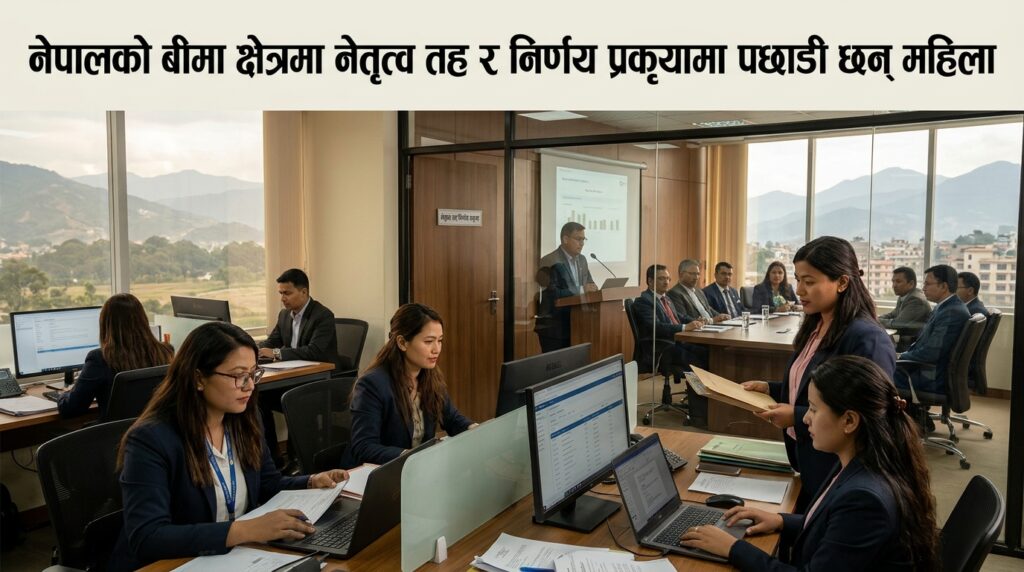




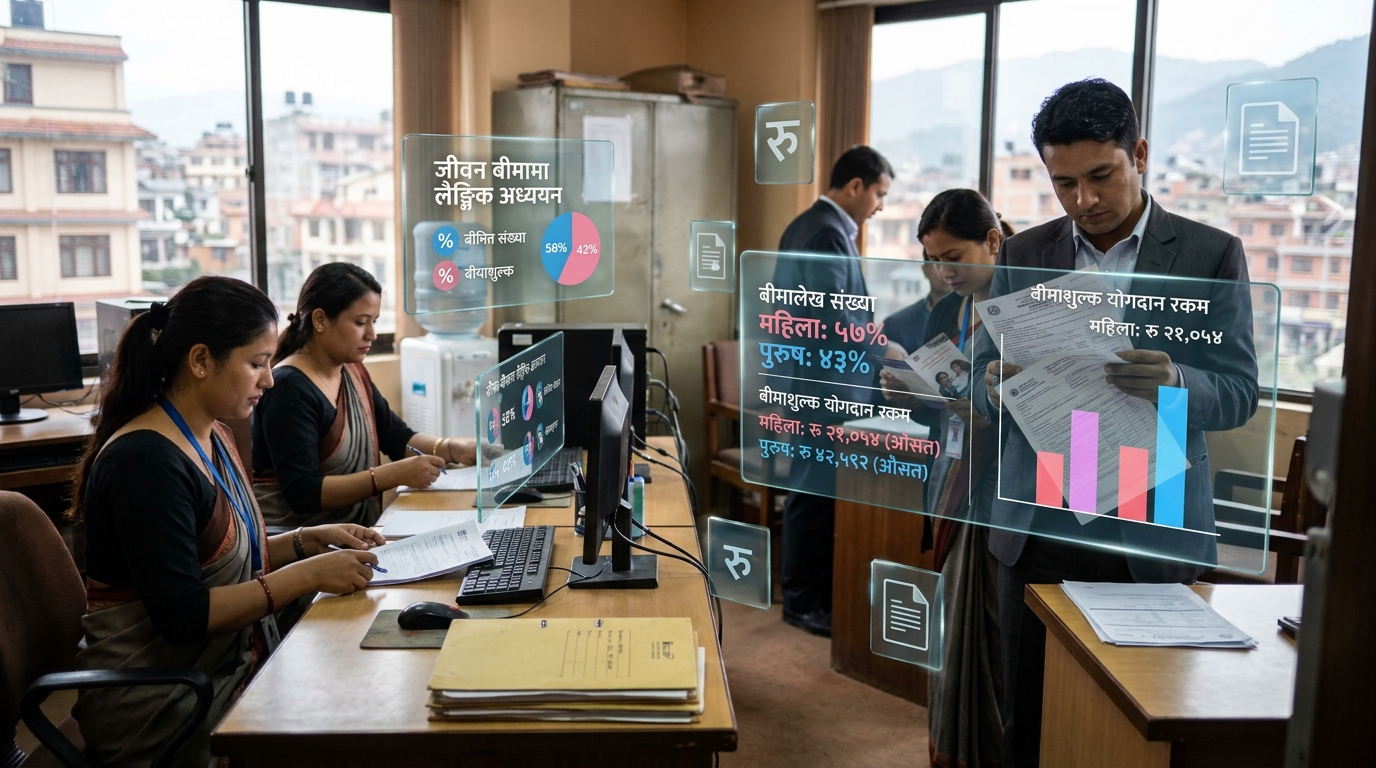

Kathmandu. In Nepal, the number of life insurance customers is more than that of men. Although women are ahead in terms of the number of insured, the sum insured they buy and the premium premium is only half that of men.
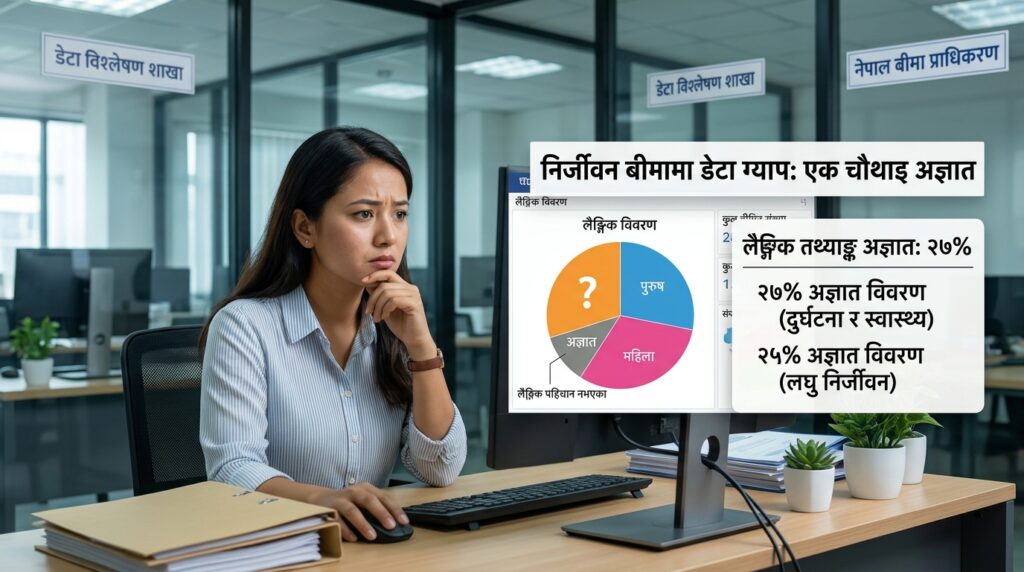
This fact is mentioned in the study report titled “Insurance through a Gender Lens: A Fema Meter Assessment in Nepal”{{TAG_OPEN_em_12 TAG_CLOSE_em_12}} recently released by the Insurance Authority of Nepal. License of all 35 insurance companies in the fiscal year 2081. The Insurance Authority has prepared this study report on the basis of gender for the first time by analyzing the data of 82 (from July 16, 2024 to July 16, 2025).



According to the report, 57 percent of the total life insurance policies issued in Nepal are in the name of women. The share of men is only 43 percent. Similarly, in the total insured population, women constitute 58 percent and men 42 percent. However, there is a huge gap in the amount of insurance that has to be paid annually.
The average insurance premium paid by a female insured is Rs 21,054 while the average premium paid by a male insured is Rs 42,592. Here, the insurance premium paid for the life insurance of the female insured is less than half that of the male insured. According to the study report, the average insurance premium of the insured in Nepal is Rs 30,258.
The study shows that even though women are active as customers and access to insurance services, only low-insured insurance plans are purchased in their name. This indicates the gap in the income level between men and women in Nepali society and the lack of women-targeted insurance schemes.
The report does not find an answer to the question of why more insurance policies are issued in the name of women, even though men are more economically active and are more at risk outside the home in terms of labor and employment.
To address this gap, the Nepal Insurance Authority (NIA) has suggested that special insurance policies should be tailored to the needs of women, financial literacy should be increased and further research should be done on the main reasons why women are buying less premium.