




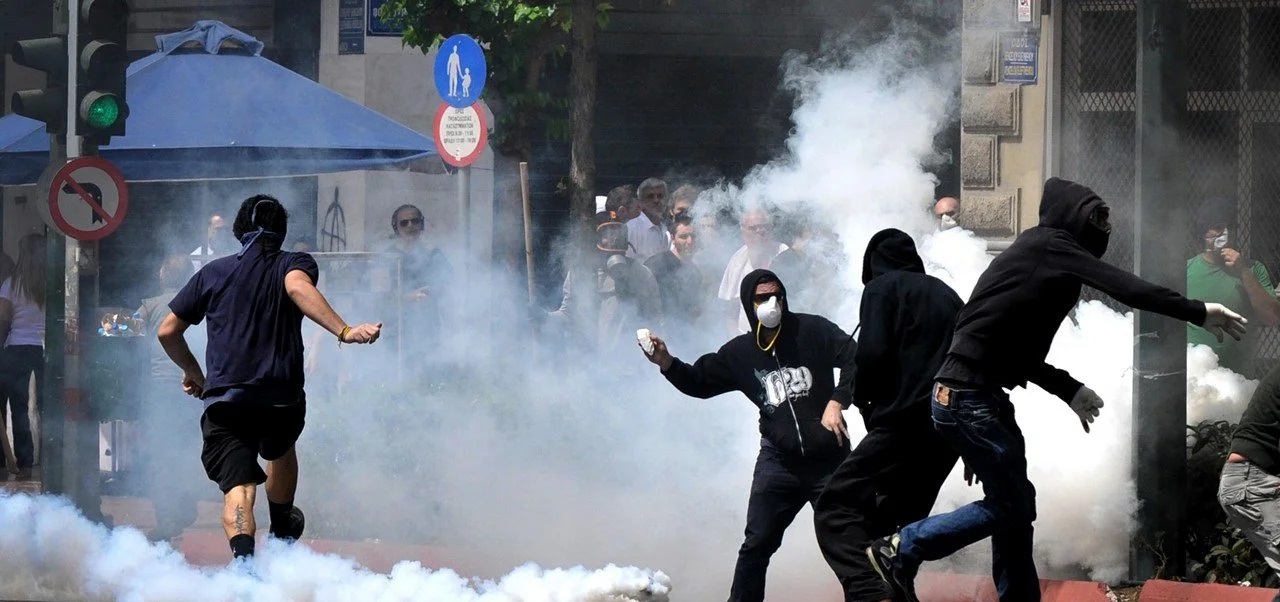

Kathmandu. Political unrest and riots have been on the rise alarmingly around the world in recent years. Experts have warned that the unrest could be more severe in 2026 than in previous years. This could put the insurance industry and large businesses at risk of billions of dollars.
To address this risk, insurers need to re-examine policies and strengthen protections, says Torbjern Soltved, an expert at Waryske Maplecruft. In the face of growing political unrest, insurance companies are now adopting a cautious approach. Many are removing the risk of civil unrest, strikes, riots and civil unrest from general policyholders or significantly increasing premium rates.



This has created the possibility for medium and large businesses to face significant financial risks. The Alliance Risk Barometer 2026 identifies political violence as one of the world’s top global risks.
According to the Civil Disturbance Index of the international risk research firm Verisk Maplecroft, 6 causes of civil unrest have been identified. These include intense political polarisation and ideological divisions, rising living costs and economic crises, rapid formation of public opinion via social media and the spread of dissent, and uncertainty caused by climate change and war.
According to Haudin Rea, insurance claims related to riots or unrest were minimal in 2013. However, between 2020 and 2024, these losses widened to more than $8 billion.
The death of George Floyd exceeded $2 billion in insured damages from the protests in the United States in 2020. In 2019, riots in Chile over metro fare hikes caused $3 billion in property damage. In 2021, political unrest caused $1.7 billion in damages in South Africa.
An insurance claim has been filed for the loss of insured property worth Rs 24 billion during the Genji agitation that took place in Nepal about six months ago. – With the help of the agency