




Kathmandu. The outbreak of non-communicable diseases in Nepal is spreading as a silent epidemic. Heart disease, cancer, diabetes and respiratory problems are not only challenging public health but also bankrupting families in Nepal.
Government Statistics 2081. 82 Millions of Nepalis are at risk of being pushed below the poverty line due to medical expenses. According to the details released by the Department of Health, the cost and condition of treatment of various serious diseases are as follows.


| Type of disease | Patient Number | Share of Death | Average Treatment Cost (Rs) | Relevance of insurance |
| Heart disease | 42,825 | About 33% | 3 to 7 lakh (surgery) | Critical Illness Insurance Essentials |
| cancer | 98,080 | About 20% | 5 to 1 million+ | Fatal Disease Insurance Lifesaver |
| Diabetes | 8,00,726 | Increasing | Monthly 5 to 15,000 | Health insurance for long-term treatment |
| asthma/respiration (COPD) | 3,25,135 | About 10% | Monthly 10 to 20k | Health Insurance Mandatory |
| Fire/Injury | 79,630 | Comparatively | 50,000 to 200,000{ | Health Insurance Associate |
Treatment:
In Nepal, the cost of health treatment from one’s own pocket is very high. According to statistics, 2015. In 2016, 1.75 per cent households were impoverished due to health expenses. While the government has set a goal of ensuring that no one should be poor on health care by 2030, this seems impossible without access to insurance.
Basic management (medicines, tests, tests) can cost Rs 5,000 to Rs 15,000 per month. Advanced interventions (angioplasty, bypass surgery) range from Rs 3 lakh to Rs 7 lakh, depending on the facility of the hospital.
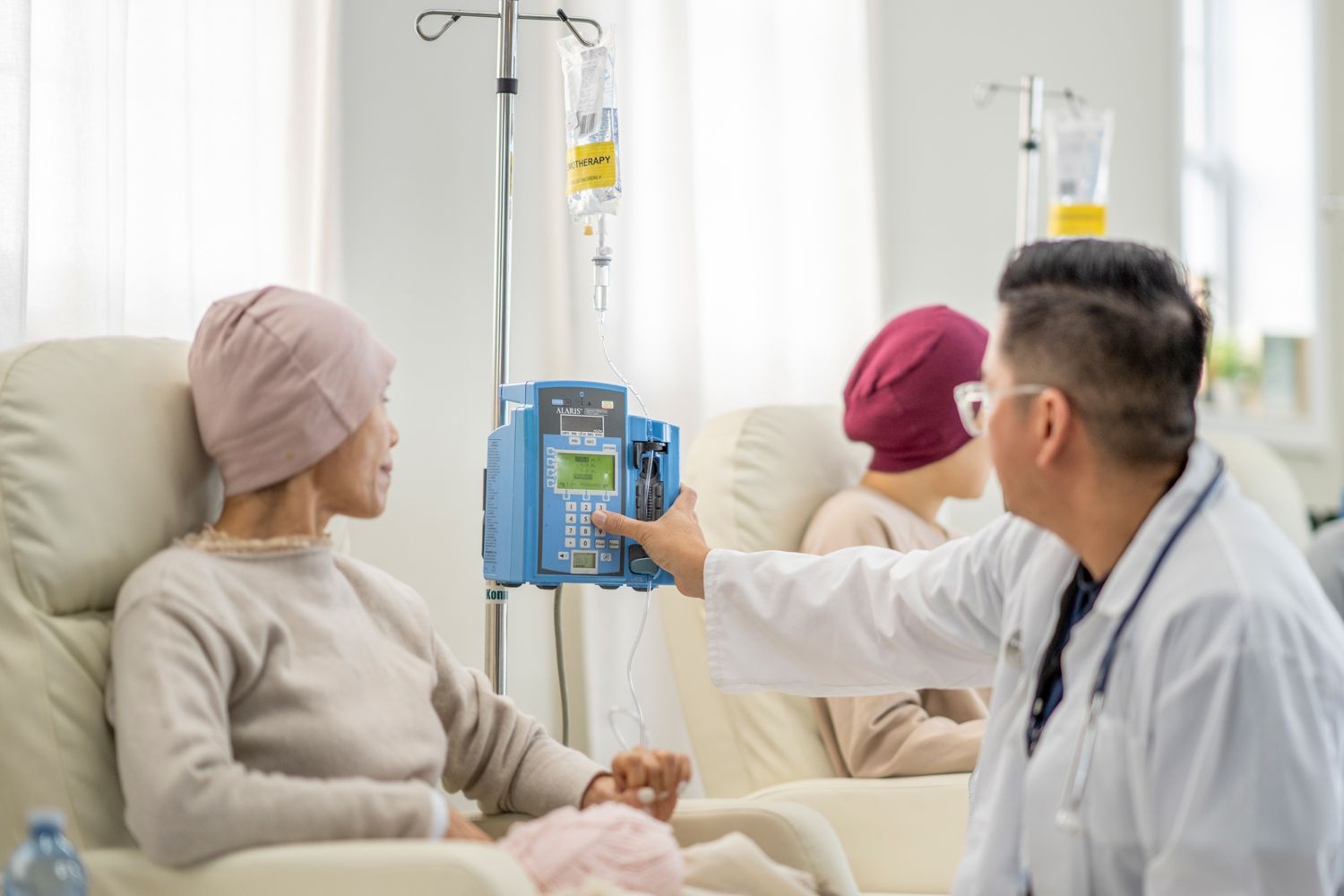
The cost of chemotherapy, which is mandatory for cancer patients, ranges from Rs 20,000 to Rs 50,000 per visit. Which requires several cycles. Radiotherapy and surgery can cover the total treatment cost of Rs 5 lakh to Rs 10 lakh.
Many families are still forced to sell their land, empty their livestock, or take out high-interest loans for cancer, kidney or heart surgeries.
According to public health experts, health insurance should no longer be made a voluntary subject. Because insurance protects the insured in two ways:
1. Health insurance that covers regular check-ups and medicines for chronic diseases such as diabetes and asthma.
2. Critical Illness Insurance: This protects the family from financial crisis by providing a lump sum amount in case of high expenses such as cancer or heart surgery.
Non-communicable diseases account for two-thirds of the total deaths in Nepal. Insurance is not about spending money, but about a strong buffer against future uncertainties, experts say.
The fight against non-communicable diseases in Nepal is not limited to hospitals and medicines, it is also a fight for financial management. Statistics clearly show that treatment is expensive, but insurance is accessible. It has become imperative to join health insurance and insurance against serious diseases today so that we do not have to lose our life’s earnings and ancestral property to save our lives.