




Kathmandu. The news of the attack between the US and Iran has once again escalated global tensions. The price of crude oil has skyrocketed. All attempts at peace talks between the two countries are failing due to the Strait of Hormuz. Neither Donald Trump is willing to back down on the Hormuz, nor does Iran seem to be in the mood to surrender.
The International Monetary Fund (IMF) has now issued a serious warning about rising tensions in the Middle East. IMF chief Kristalina Georgieva said, “If this war continues until 2027, we will see the worst consequences.” ’



Worse than expected
}
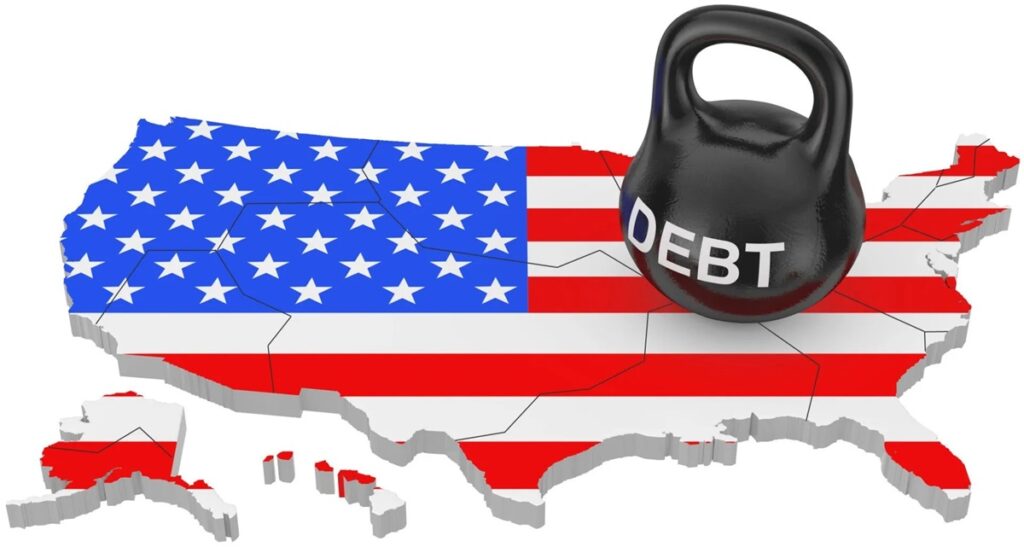
The IMF has warned that global inflation is already rising. Meanwhile, the war in the Middle East has emerged as another major crisis. IMF chief Georgieva said that if the war between the US and Iran continues until 2027 and the price of crude oil reaches about $ 125 per barrel, then the global economy could face much worse than expected. ’
According to Georgieva, the predictions made so far about the US-Iran war are failing. “Besides, the projections for global economic growth to slow to 3.1 per cent and inflation to 4.4 per cent are fading away,” she said. ’
According to the IMF chief, the continuation of the war, the price of oil at or above $ 100 per barrel and the consequent rising inflationary pressures clearly indicate that the situation is deteriorating and the IMF’s approach has now become fundamental. This means that global growth will slow to 2.5 percent by 2026. Inflation is expected to explode to 5.4 per cent.
Closure of Hormuz makes the situation worse
Chevron Chairman and CEO Mike Wirth said the closure of the Strait, which had consumed 20% of global crude oil supply before the war, would lead to a “material shortage” in global oil supplies. A prolonged war would cripple global economies, he said, adding that Asia would be the first country to feel the worst effects. ’
Georgieva said the IMF is closely monitoring the lingering impact of the conflict on supply chains. Considering its impact, fertilisers have already become 30% to 40% more expensive. As a result, food prices can increase by 3% to 6%. Not only food, other businesses are also being affected.
“What I want to emphasize is that this is becoming a very serious issue,” Georgieva said. Many policymakers are still behaving as if the crisis will be over in a few months. They are taking steps to mitigate the impact on consumers and businesses, which has kept oil demand at an ever-high level. —Agency