




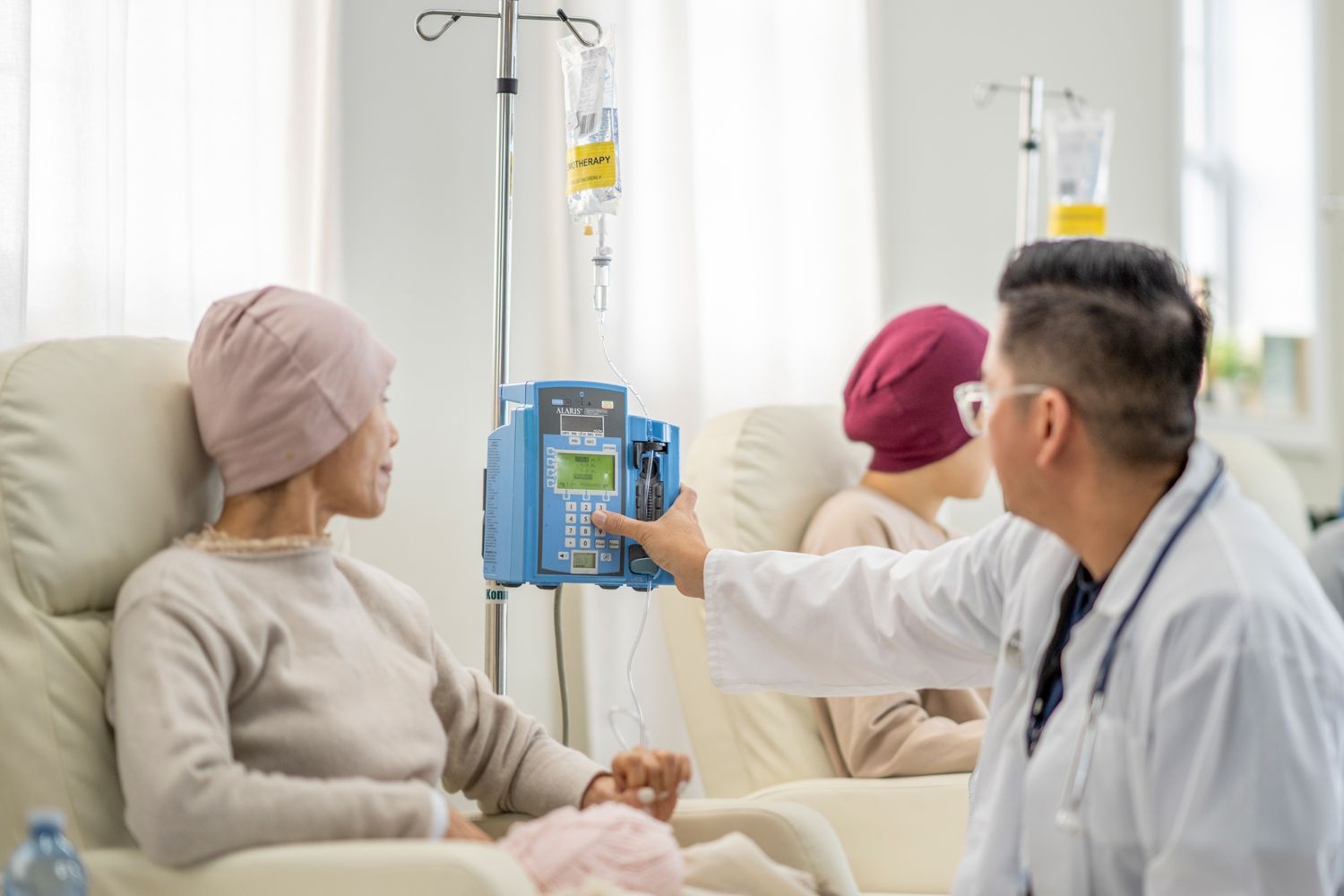

Kathmandu. The number of young people suffering from cancer is increasing rapidly in the Asia-Pacific region. At the same time, insurance claims from cancer patients have also increased in the region.
According to WTW’s Global Medical Trends Report 2026, 52 percent of insurance companies in the Asia-Pacific region said that in the last one and a half years, there has been an increase in the incidence of cancer claims. Insurance companies have made the highest number of insurance claims, especially from young people suffering from breast cancer, colorectal cancer and lung cancer.


According to the report, as the number of cancer cases increases, so does the demand for insurance. According to insurance companies, about 82 percent of insurance claims came from young people under the age of 40. “This trend is putting pressure on health and employee benefit plans,” the report said, “because younger patients tend to seek longer treatment periods and may need more insurance coverage.” ’
Asia accounts for 49 per cent of global cancer cases, the report said. “Every year, more than 9.8 million people are diagnosed with cancer,” the report said. According to the latest data, 26.2 per cent of all deaths are cancer patients. ’
Meanwhile, 65 per cent of Singapore employees said they were worried about returning to the workplace after being diagnosed with cancer. “In addition, 9 out of 10 Singaporeans have been given procedures to help them recover when they return to work. This has further highlighted the importance of the workplace’s role in survival and rehabilitation. ’
WTW sees insurance companies as key tools to help insurers manage future cancer-related claims and medical expenses. “Many people in the region experience significant psychological and emotional challenges, including fear, anxiety, sadness, anger and loneliness,” WTW said. ’
According to the report, employees may also be concerned about job security, performance, decreased earnings and job disclosures. “This exacerbates the emotional pain in an already difficult time,” the report said.
Across the Asia-Pacific region, between 30 percent and 60 percent of people who recover from cancer try to return to work within 12 months. “Returning to work can be a powerful part of recovery,” said Fiona Chua, co-director of corporate health and wellness at Asia Pacific WTW, as many continue to experience fatigue, pain, anxiety, and fear of being exposed or discriminated against. Emotional preparedness checks, phased reintegration, manager check-ins and long-term emotional support are key to ensuring employees feel safe, valued and competent as they rebuild their work lives. ‘ –agency