





Kathmandu. Although Nepal is said to be an agricultural country, the share of agriculture in the country’s economy has been gradually shrinking in recent years. According to a report titled ‘Nepal’s Agriculture Sector: Perspectives and Policy Support’ recently released by CareAge Ratings Nepal, the contribution of the agriculture sector has been shrinking over the past decade.
Contribution of agriculture to GDP in FY 2014. It decreased from 30.3 percent in 2015 to 2024. It fell to 25.2 percent in 2025. On the other hand, the dominance of the service sector has increased rapidly in the year 2024. It accounted for about 62 percent of the gross domestic product in 2015. This explains the structural changes taking place in the Nepali economy.


According to the report of Nepal Rastra Bank, the fiscal year 2025 is due to the reduction in inflationary pressures and monetary easing. Growth in the agricultural and industrial sectors is forecast to be cautiously positive for 26 quarters.
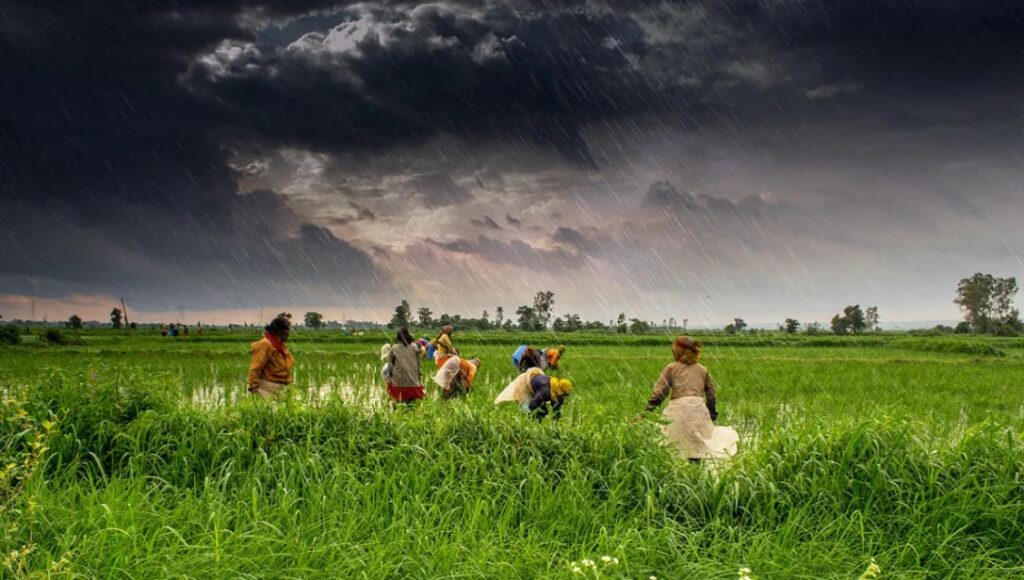
Nepal’s agriculture sector has been incurring billions of rupees in financial loss annually due to climate-related risks such as floods, landslides, droughts and unseasonal rains. Despite the huge damage caused to crops and livestock due to natural disasters, the size of the agricultural insurance market in Nepal is still relatively narrow.
According to the Nepal Insurance Authority, the contribution of agriculture and livestock insurance to the non-life insurance business is very low i.e. below 5 percent. Its small share in total non-life insurance premiums proves that the majority of farmers in rural and remote areas are still out of reach of formal insurance.
The Government of Nepal has been providing subsidy up to 80 percent in the insurance premium for the promotion of agriculture sector and reducing the risk of agriculture. Some districts in Karnali and Sudurpaschim provinces are also implementing seasonal index-based and other modern insurance plans. However, due to lack of technical knowledge, complex claim payment processes and lack of publicity, the expansion of such modern insurance plans has been very slow and limited in limited areas.
The government will be able to recover from the upcoming fiscal year 2026. A total of Rs 46.92 billion has been allocated for the Ministry of Agriculture and Livestock Development in the current fiscal year. In the previous fiscal year 2025. This is slightly less than the Rs 57.48 billion in 2016. Of this, 70 per cent has been allocated for chemical fertiliser subsidy.
In order to make Nepal’s agriculture sector safe, the government has put forward short-term and long-term policies such as 80 percent subsidy on insurance premium and financial assistance worth hundreds of thousands of rupees for agricultural projects. However, on the ground level, the insurance cover has not been able to fully cover the agriculture sector of Nepal.
The sector is still shrunk due to the heightened risk of climate change, increasing dependence on imports, and weak bank credit flows.