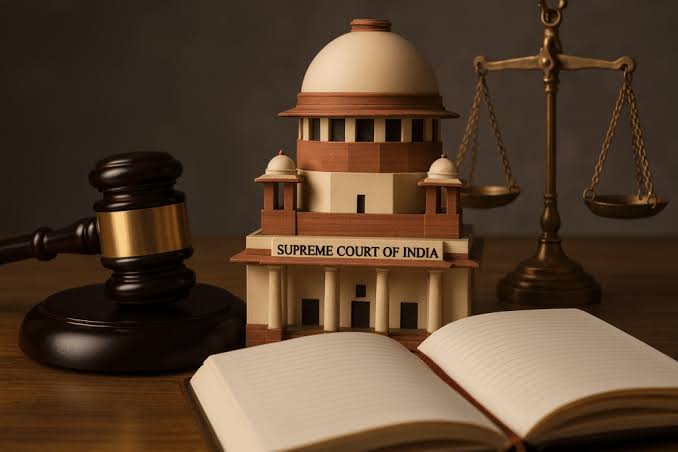






Kathmandu. India’s insurance regulator IRDAI has asked non-life insurance companies to establish a precise definition of insurance claim. In addition, the method of calculating the claim payout ratio has been mandated to be the same in all companies.
Currently, various companies are defining claims according to their convenience. This prevents the customer from getting a clear picture of the insurance claim.



What do companies do?
Currently, some insurance companies file claims as soon as they receive a claim. Others first evaluate whether payments are due under the policy before accepting a claim.
For the average person, a ‘settled’ claim means they have already received their money. However, some insurance companies believe that claims that have been closed due to lack of documentation or rejected due to being covered by the policy have also been resolved. This makes the company’s record look good on paper but in reality the customer is denied their dues. Even if the customer is not satisfied, companies often ask the customer to sign a full and final settlement voucher. The definition of claim is also important. Because it determines the profitability of the company.
What’s the problem?
Former IRDAI member K.K. According to Srinivasan, the insurance claim should be settled only after the customer believes that his or her work is done. The claim should be considered pending until the customer is satisfied. If the company rejects the claim, the customer can challenge it legally within 3 years. This should be considered uncertain until the court’s decision is issued and the company complies.
{{TAG_OPEN_strong_19}Why is a uniform definition needed?
The General Insurance Council has submitted its suggestions to IRDAI in this regard. The aim is to have a clear and transparent system for each company, rather than a separate methodology. This will help you know how honest each company is in resolving a customer’s insurance claims. –Agency