




Kathmandu. It’s been 23 days since the United States and Israel began their war against Iran. The impact of this conflict is now clearly visible in the global economy.
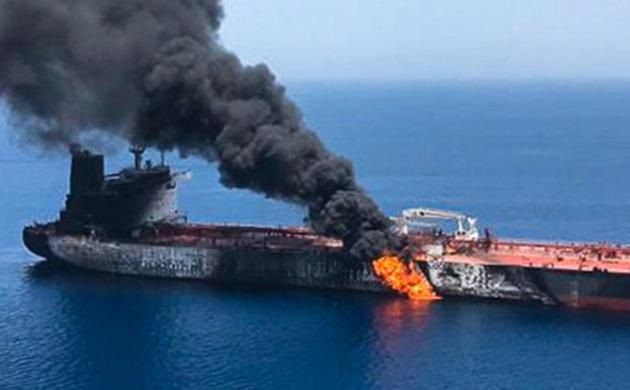
On March 9, Brent and WTI crude oil prices, considered benchmarks for international crude, rose above $100 a barrel for the first time since 2022. However, the price of oil fell below $95 that day. Crude oil prices are once again hovering around $100 a barrel after attacks on oil tankers in the last few days.



Brent and WTI crude oil prices were around $70 a barrel the day before the conflict began on February 27. One of the biggest reasons for this sharp rise in fuel prices is the near halt of sea traffic through the Strait of Hormuz. The Iranian government has warned ships trying to cross the sea route. The route, which supplies about 20 percent of the world’s oil and gas, supplies it.
Oil and gas prices were expected to rise due to close ties between Iran and Hormuz. However, experts believe that its impact will not be limited to this sector. In the future, its vibration will be felt in other sectors of the economy. It will affect the whole world.
Food and beverage costlier{
}
The conflict is also affecting the world’s largest exporters of fertiliser. Oman, Qatar, Saudi Arabia and the United Arab Emirates (UAE) are the world’s 4 largest exporters of nitrogen-based fertilizers, according to data from Economy Complexity Observation. These fertilizers are made from natural gas and are used in almost half of the world’s food-producing crops. Despite the war, most of the fertilizer companies in the region have continued to operate. Qatar Energy had to stop production. It is one of the major urea producing companies.
In fact, gas supplies were disrupted due to Iranian drone and missile attacks. On the other hand, some companies are not able to fully benefit from it even if they continue production.
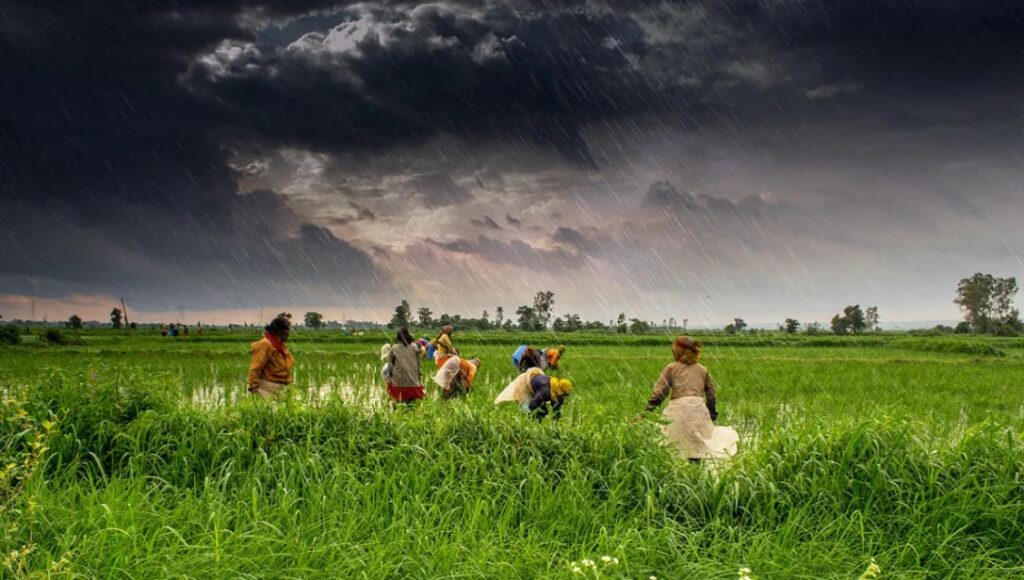
These companies are unable to export fertilizers because Hormuz is almost closed. The reason is that Hormuz has arisen at a time when farmers in the northern hemisphere are preparing for planting. This has made the situation even more difficult.
According to data from the American Farm Bureau Federation, about 25 percent of U.S. fertilizer imports take place in March and April each year. Harry Ott, a farmer who grows cotton, corn and soybeans in South Carolina, told the BBC: “It couldn’t have come at a worse time. ’
Analysts say that if the conflict continues for a long time, consumers will start feeling the impact on food prices within one to three months. Food prices can not only be expensive but also scarce. Because of the lack of sufficient fertilizer, the crop will decline.
The most severe impacts can be felt in poorer countries and the most vulnerable sections of society. This situation can lead to starvation.
The United Nations’ World Food Programme warned in a statement that a sudden increase in food and fuel prices due to escalating conflict in the Middle East could create a domino effect. This exacerbates hunger in vulnerable populations in the region and other parts of the world. ’
Impact on drug supply
}
The war in the Middle East is now affecting the global supply chain of medicines and pharmaceutical products. Attacks in Dubai are the main reason for this. Dubai is considered an important logistics hub for the global pharmaceutical sector. This most populous city in the UAE is home to the world’s busiest international airport. In 2025, about 95 million passenger traffic was recorded.
The airport is also a major hub for the cargo distribution of medicines and other pharmaceutical products. Especially those that require cold chain storage. The airport is particularly important for India’s pharmaceutical industry.
India is the world’s largest supplier of generic drugs and supplies about 60% of the world’s generic medicines, according to data from the country’s commerce ministry. The vaccines are manufactured in India.
In fact, Emirates Airline has a dedicated cargo facility called Emirates SkyPharma. It is specifically designed to handle the transportation of temperature-sensitive drugs. Dubai is also home to the Jebel Ali port. It is the ninth busiest cargo port in the world and the largest in the Middle East. According to the Jebel Ali Free Zone Authority (JAFZA), about 400 pharmaceutical and health companies from 60 countries operate in the port.
According to officials, in 2020, about 50% of Dubai’s total pharmaceutical and medical products (valued at about $21.8 billion) transited through this port. A significant portion of India’s pharmaceutical exports come from Dubai port. From there, the drugs are shipped to other Persian Gulf countries, Africa, Europe and other regions. However, both Dubai’s port and airport have been damaged by Iranian military attacks. The conflict has hampered their normal operations.
Air cargo transportation is important for the pharmaceutical industry. Especially for high-value shipments that require immediate shipping or cold chain storage. However, alternative routes to Dubai exist. Most are limited in capacity. These routes take longer to deliver and cost more. As a result, the price of medicines may increase and their availability may be affected in the future.
According to India’s Ministry of Commerce, India’s pharmaceutical industry exports medicines to about 200 countries around the world. Its key markets include the United States, the United Kingdom, Brazil, France, and South Africa. Dubai’s airports and seaports are not only transit points but also major hubs for the storage and re-export of medicines. For this reason, Dubai’s role in the global pharmaceutical trade is considered important and central.
Impact on the supply of metals, chemicals and electronic equipment
}
The war is also now affecting the supply of chemicals and raw materials critical to industrial production. This includes chemical elements such as sulfur and raw materials such as aluminum. Saudi Arabia, the United Arab Emirates, Qatar, Kuwait and Iran are the major sulfur exporters. Sulfur is a byproduct of oil and gas processing.
About 24 percent of the world’s sulfur comes from the Middle East, according to the U.S. Geological Survey. A significant portion of it is used in fertilizer production but the role of sulfur is not limited to this. It is also used to extract metals such as copper and nickel. It is used in the manufacture of many critical products such as appliances, automobiles, power grids, semiconductors, batteries and stainless steel. The impact of the war is now clearly visible in the region.
In the first week of the conflict, Indonesian nickel producers announced production cuts. Indonesia produces more than 50% of the world’s nickel. These companies said that they had to take this decision due to supply disruptions from the Gulf countries. It is worth noting that about 75 percent of the sulfur used by these companies comes from these Gulf countries.
Reuters news agency warned that some copper producers in Africa could face similar difficulties. According to Reuters, Indonesia’s nickel refineries will be on one side and Africa’s copper mines will be on the other side of the supply tussle. Both will face fertilizer producers around the world. Those who are looking for an alternative to sulfur coming from the Middle East.
Sulfuric acid, produced from sulfur, is one of the most important chemicals used in the manufacture of semiconductors and chips. If the supply of this chemical is disrupted, it could affect the production of countless products considered essential to modern life. These include smartphones, computers, memory cards, automobiles, and countless electronic devices used in homes, offices and factories.
This is not the first time the world has faced such a situation. During the COVID-19 pandemic, there was also a severe shortage of chips. This not only affected the production but also forced the consumers to pay higher prices for them. An additional factor complicating the situation this time is the high demand for chips from companies that develop and implement models related to artificial intelligence (AI). – translated from BBC