




Kathmandu. South Asia has been rocked by the killing of 40 people, including a Nepali youth, in a terrorist attack in neighboring India. Indian Prime Minister Narendra Modi has continued his election campaign despite all-round protests against terror attacks.
The country is now mourning the untimely death of a youth of Rupandehi. This is a case of death. But Nepali youth workers are dying anonymously in foreign lands almost every day.



Nepal’s economy and trade deficit have been bridged by the remittance income sent by the youth working abroad. Remittance income contributes about 13 percent of Nepal’s GDP.
Most of those who have died prematurely abroad are young people who have been forced to die in a way that can save their lives. Although there is a lot of potential for the government to increase the income from remittance by increasing efficiency if it is sensitive to save their lives, it has remained indifferent.
According to the data released by the Nepali Embassy in the UAE, at least 25 young people lost their lives every month in the first nine months of the current fiscal year 2081/82. This figure is much higher than the average for the last fiscal year 2080/81. In the last fiscal year, an average of 19 Nepalis died every month.
According to the data released by the Nepali Embassy in the UAE, the number of Nepali nationals who died in the United Arab Emirates (UAE) in the first nine months of the current fiscal year 2081/82 has reached 226. A total of 30 Nepali workers died in Saun, 32 in Bhadra, 33 in September, 35 in Kartik, 35 in Kartik, 24 in November, 13 in Push, 25 in Magh, 17 in Falgun and 17 in Chaitra. According to the embassy, at least 25 people die every month. In the last fiscal year, a total of 231 Nepalis lost their lives in the UAE.
Nepali youths have been killed in the absence of awareness of the risks of the workplace, lack of knowledge about the environment and weather conditions of marumuvi because the government does not arrange residential training before going abroad. The government acts as if it had not seen such heartbreaking incidents. Although the number of deaths is increasing every year, the federal government or the state government has not shown interest in conducting adequate training and orientation programs for youth in the center or in the state.
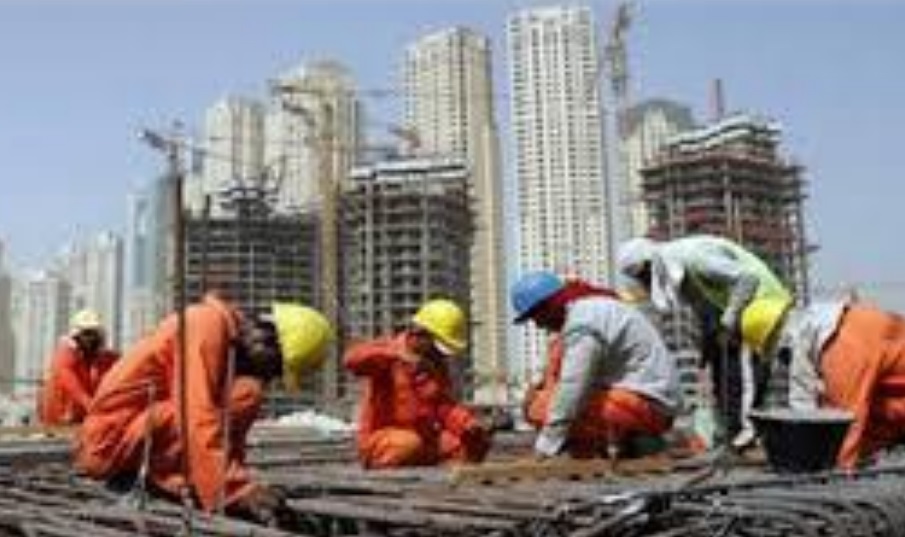
Road accidents and workplace accidents are the main reasons for the deaths of Nepalis who have gone to the Gulf countries for labor. They lost their lives due to lack of general information about crossing the road while walking on the road. Apart from this, they are forced to lose their lives in the workplace even if there is not enough training on how to use hetmellats, jackets, ropes, gloves and take precautions safely in the workplace. On the other hand, due to temperature fluctuations and high heat, blood pressure increases and heart attacks and other heart-related conditions also kill. Most of those who died from heart attacks died while sleeping.
Sharad Singh Bhandari, who has been a minister for the 20th time and minister for labour and employment several times, has become a specialised minister, but the story of the workers in foreign employment has not changed.