




Kathmandu. Nepal, which is at high risk of climate change due to its topography and topography, has been affected by the damage caused by the disaster-related events before the onset of this year’s rainy season, indicating that the situation will be worse during the main rainy season (monsoon season).
According to data released by the National Disaster Risk Reduction Management Authority, 41 people, including rescue workers, have lost their lives in disaster-related incidents in the months from January to Chaitra. Apart from this, 257 people have been injured in fire and floods and landslides. In Nepal, the period from mid-February to mid-May is known as the pre-monsoon period.



The government also failed to control the massive forest fires that broke out in the forests across the country in the month of Chaitra. Had the rain since the beginning of April not extinguished the forest fire, the government would not have been in a position to play any role other than to be a mute spectator.
The government, which has been failing to assess disaster events, disseminate prior information and be on high alert to reduce the impact of disasters, has not made any concrete preparations this time too. The state of government preparedness in both human resources and infrastructure is very pathetic.
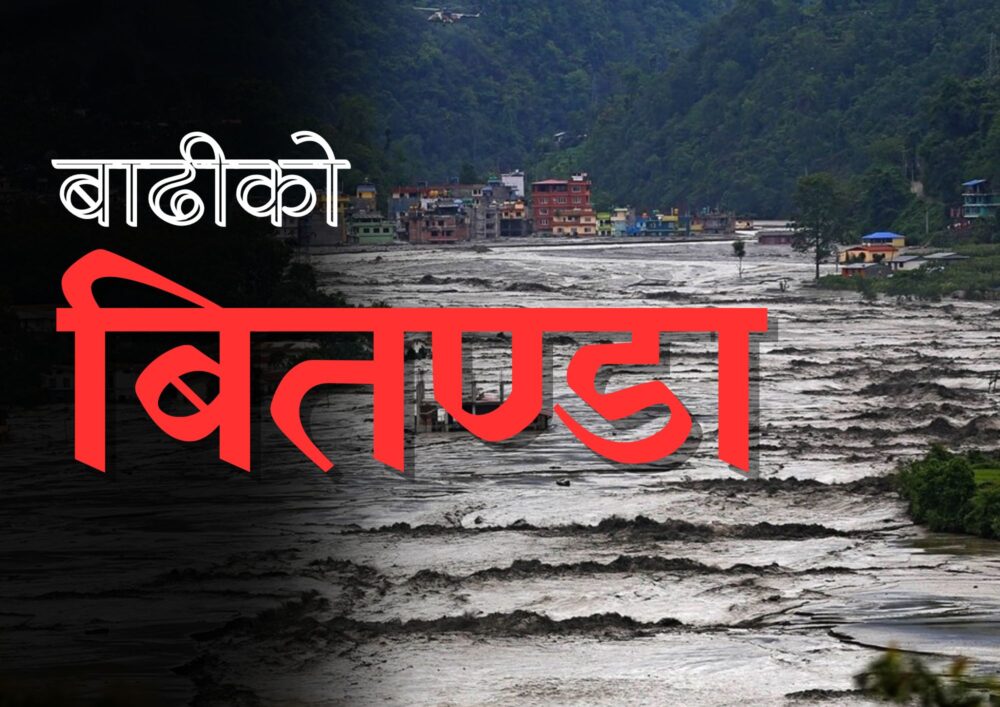
At least 18 people lost their lives due to government negligence in the Kathmandu Valley, which is considered relatively resourceful due to floods triggered by unseasonal heavy rains in September last year. In Dhading, at least 35 people were killed when a landslide swept away a passenger bus. The negligence of the government machinery was the main factor in these incidents. The local administration allowing vehicles to ply on the highway in risky conditions was the main reason behind the landslide at Jhyaple Rivulet in Dhading. Apart from this, the local administration was unaware of it for hours after the landslide, due to which the number of human casualties increased due to the delay in rescue.
This time too, the risk of major accidents and human losses due to landslides and floods on highways cannot be ruled out more than in settlements. Bp Highway, Araniko Highway, Prithvi Highway, Narayangadh Muglin Road Section, Kanti Path connecting Hetauda, Kulekhani and Farping roads are also at high risk. An unexpected event can happen at any time. In the absence of adequate manpower and resources, the situation of seeing the security personnel deployed in the rescue operation is sure to be repeated again.
According to the NRA, property, crops and vehicles worth crores of rupees have been damaged in the last three months. According to the NRA, due to the influence of the local wind during the pre-monsoon, the weather is generally bad in the afternoon, evening and night and weather activities such as hailstorm, gusty winds, thunder and lightning occur in some places of Nepal.
Disaster relief committees have also been formed at the central, state, district, town and rural municipality levels in Nepal. But in times of disaster, it is felt that all these levels of rescue mechanisms are useless. Lack of immediate response and coordination is also one of the main reasons for the increase in disaster losses.