




Kathmandu. Asia was the hardest hit by natural disasters in 2025, the worst hit by the global economy. According to an analysis by global reinsurance company Munich Rich, the total economic damage from global natural disasters in 2025 will be $224 billion.
Of this, the Asia-Pacific region is estimated to account for about $73 billion. That’s about a third of the total global damage. Not only is this a huge amount, but the average loss of the sector over the past 10 years is more than $66 billion. In other words, 2025 was a very expensive year for Asia.



The economic losses are as big as the financial capacity to absorb economies, and this is Asia’s biggest weakness. Munich Re says that of the estimated $73 billion in damages in the Asia-Pacific region in 2025, only $9 billion has been insured. This means that a significant portion is uninsured. It directly burdens households, businesses, and governments. ’
In many low-income countries, insurance penetration is less than 5 percent. This slows post-disaster reconstruction and recovery, increases the risk of poverty and debt, and causes long-term damage to the overall economy.
Insurance is a major risk-sharing tool globally. But this insurance gap makes disasters in Asia even more vulnerable. It has exposed not only the risk of natural disasters but also the weakness of financial safety structures.
The global picture shows that even if the total loss in 2025 is lower than in 2024, the losses of insurance companies have not decreased. In fact, insured losses have exceeded $108 billion. Thus, 2025 marks the next year where insured losses have crossed the $100 billion mark.
Last year, the global total, adjusted for inflation, was $368 billion, and insured losses amounted to $147 billion. In other words, the insurance component of the financial impact of natural disasters is now regularly reaching important data, increasing pressure on insurance markets and on the other hand sending a clear message that the nature and concentration of risk is changing.
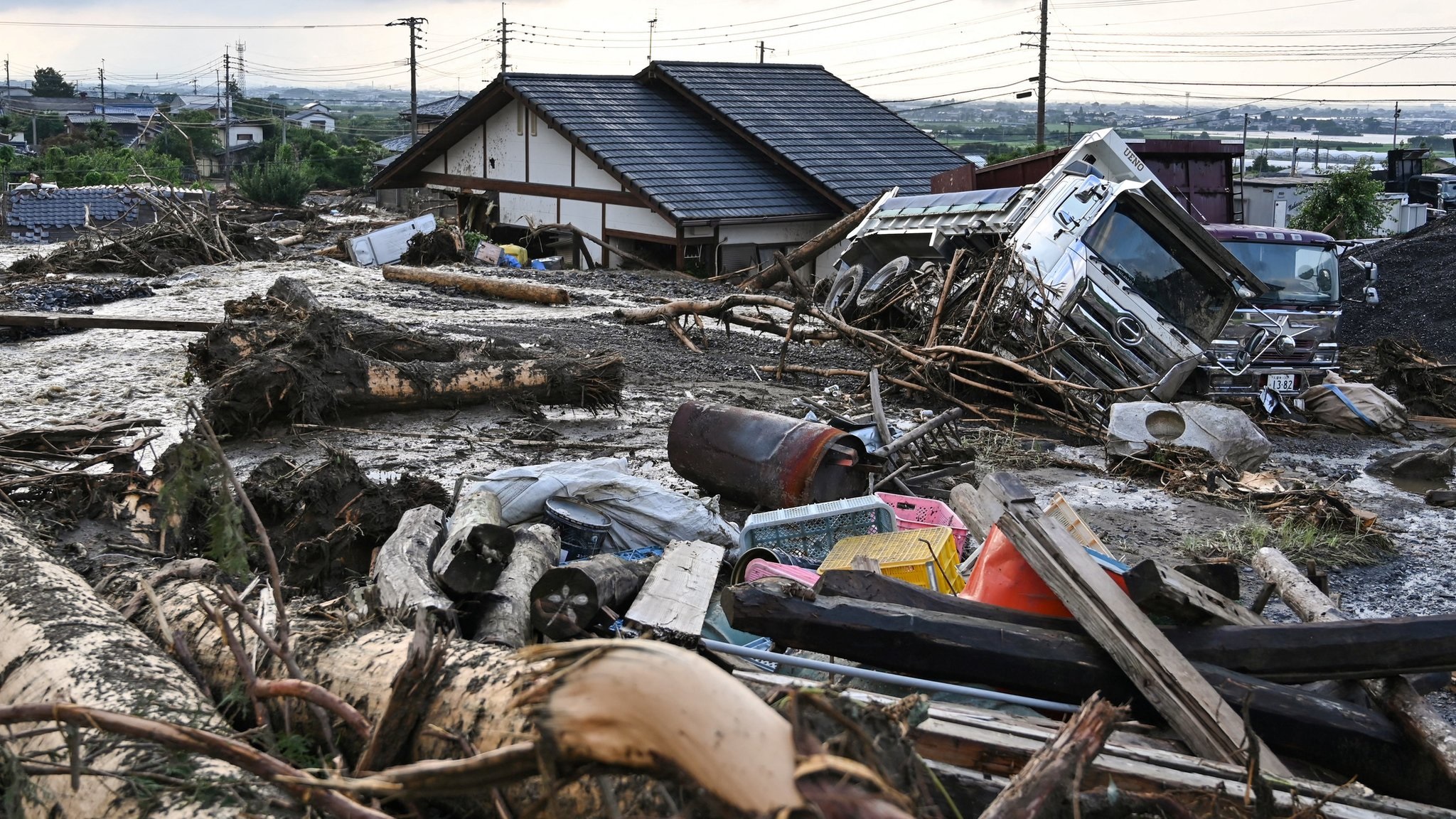
The clearest evidence of this change is that weather-related disasters were the leading cause of damage in 2025. According to Munich Reich, 92 percent of the total damage that year was weather-related and 97 percent was insured. Floods, heavy rains, thunderstorms and hailstorms are the events that shaped the pattern of damage in 2025. As a result, the structure of economic damage is shifting from a one-time event to a series of extreme weather impacts over a large area. The damages are frequent, rapid and varied.
The combined effects of many disasters were responsible for significant damage in Asia. The report highlights earthquakes in Myanmar, severe flooding during the monsoon season, and floods in northeastern China. Of the estimated $5.8 billion in flood damage in that part of China, less than $0.5 billion was insured. This is a clear example of the widening insurance gap in Asia. After a disaster, the responsibility for reconstruction falls almost entirely on the shoulders of the state and citizens.
In the words of Munich Rica board member Achim Kaso, the reality of Asia is even clearer. “The fact that Asia accounts for nearly a third of the global damage is not just a statistic,” he said. That’s because the insurance gap is so big. The impact of the same damage is greater in Asia than in other regions. ’
That’s why he stressed the need for mitigation efforts and increased insurance coverage for individuals and businesses. “Both of which are needed to mitigate the effects of climate change,” he said. –Asia Insurance Review