




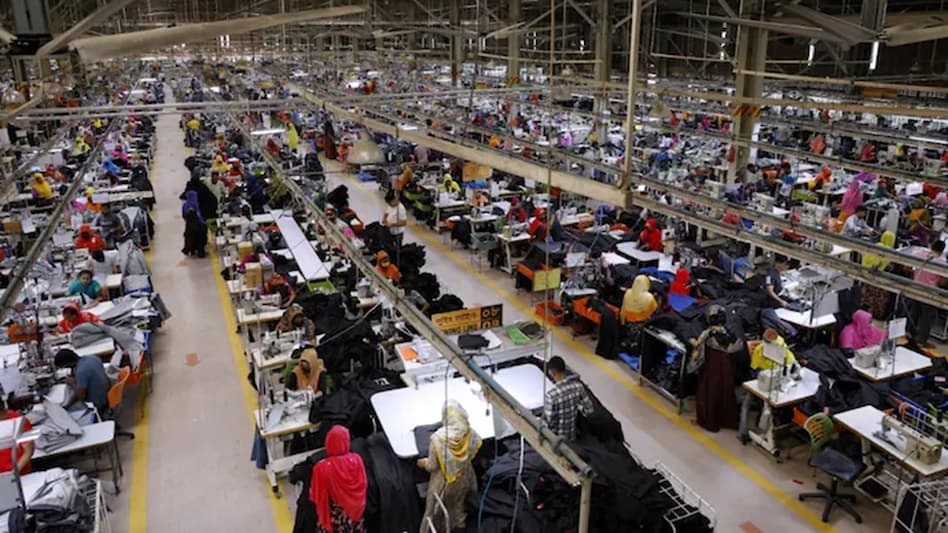

Kathmandu. Bangladesh’s textile industry is facing a serious crisis. Domestic textile millers have warned that spinning units across the country will stop production from February 1 if the government does not reinstate duty-free imports of yarn by the end of January.
The crisis deepened after Bangladesh’s commerce ministry recommended to the National Board of Revenue (NBR) to suspend duty-free access on yarn imported under the bonded warehouse system. The government believes that the import of duty-free yarn has caused huge losses to domestic spinning mills. Garment manufacturers have for years been importing cotton yarn from India and polyester yarn from China because they are cheaper and of better quality. Domestic millers say that huge imports of yarn from India and China plunged the local industry into a deep financial crisis.



Bangladesh’s textile industry has lost about $2 billion in the last 3-4 months due to the gas crisis. Shortages of gas, erratic supplies and rising prices have reduced the production capacity of many spinning mills by up to 50 percent. Despite this, the government has neither provided gas subsidies nor provided significant financial support.
According to the Bangladesh Textile Mills Association, the market is flooded with cheap Indian yarn and stocks worth more than Rs 12,000 crore have been poured. So far, more than 50 mills have closed, leaving thousands of workers unemployed.
Major demands of the Association{
}
The Bangladesh Textile Mills Association has demanded that the government end duty-free import of 10-30 cotton yarn, ensure gas subsidy and uninterrupted supply, and provide temporary relief from VAT. Bank lending rates should be reduced and there should be extensive talks with the government. According to government data, Bangladesh imported about 700 million kilograms of yarn in 2025. The cost of which was about $ 2 billion. 78% of this yarn came from India.
10 million jobs at risk
}
The association has warned that nearly one million jobs could be at risk if spinning units shut down from February 1. Which increases the possibility of social unrest. The warning has been sent to the interim government but no VAT relief has been announced so far.
Millers vs. Garment Exporters
The crisis has escalated conflicts between millers and garment exporters. Millers claim that the domestic industry can meet all the demand. However, the Bangladesh Garment Manufacturers and Exporters Association has said that cotton yarn of 10-30 size is costlier and inferior in quality than Indian yarn. According to exporters, a ban on duty-free imports will raise production costs and undermine global competitiveness.
According to Amit Soti, an Indian yarn exporter, the end of the bonded facility will have a direct negative impact on the Bangladeshi export industry. Bangladesh’s textile industry is a major source of employment and foreign reserves in the country. If the government does not find a solution quickly, the economic and social consequences could be severe. –Agency