




Kathmandu. The escalating tensions between Iran and the Gulf countries have raised new concerns.
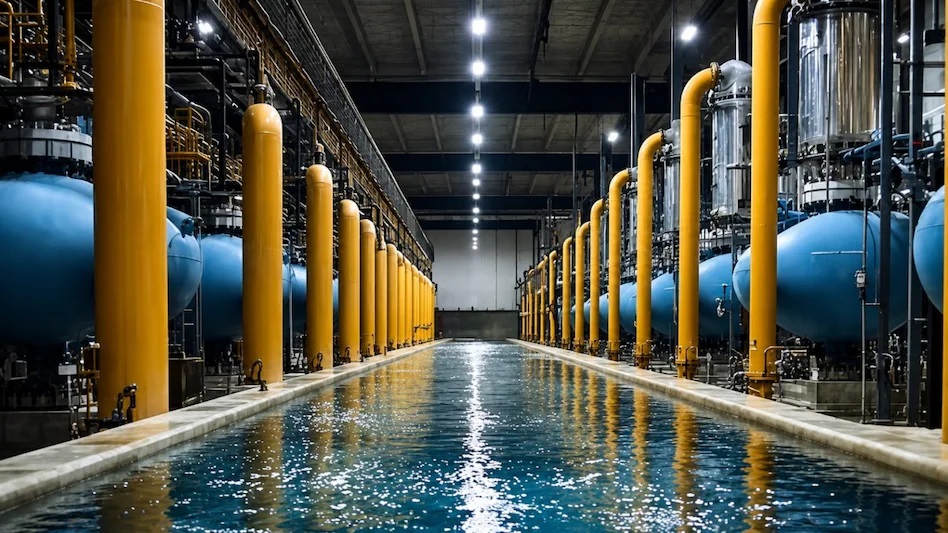
Kuwait has accused Iran’s military of targeting its desalination plant for the second time. If these attacks continue, the impact will not be limited to Kuwait but could lead to a major drinking water crisis in the Gulf region.



Natural freshwater sources are scarce in the Gulf countries. Precipitation is rare, and climate is usually hot and dry. Therefore, a large part of their drinking water needs are met by treating seawater.
Iran has been facing water shortages since the US invasion. As a result, Iran may also try to disrupt water supplies to the Gulf countries.
According to a report by the Gulf Research Center, groundwater and desalination water together meet about 90 percent of the region’s water needs. However, groundwater quality continues to deteriorate due to climate change. This has increased the dependence of the Gulf countries on desalination plants more than ever.
There are more than 400 desalination plants on the Gulf coast from the United Arab Emirates (UAE) to Kuwait. According to a 2023 report by the Arab Center in Washington, DC, the six Gulf Cooperation Council (GCC) countries account for nearly 60 percent of the world’s total desalination capacity. They also produce about 40 percent of the world’s fresh water.
Al Jazeera reported that 90 per cent of Kuwait’s, Oman’s, 70 per cent of Saudi Arabia’s and 42 per cent of the UAE’s drinking water supply comes from these plants. Saudi Arabia produces the largest amount of desalinated water in the world.
However, Iran also uses desalination plants in coastal areas such as Kish Island and Keshm Island. But it also has rivers, dams and other sources of fresh water. Therefore, Iran is less dependent on these plants than other Gulf countries.
According to Iranian officials, the latest US airstrike destroyed a desalination plant in the village of Bunji in the district of Jask in Hormozgan province. Hamzeh Pur, head of the Hormozgan water and wastewater company, said the attack destroyed the plant’s pumps and electrical infrastructure. This has completely cut off the drinking water supply for about 20 villages and about 10,000 people.
Experts say if attacks on desalination plants continue, the drinking water supply for millions of people could be disrupted. It will affect not only people but also industry, power generation and the economy of the entire Gulf region. This means that not only oil, but water is also becoming a strategic weapon in the region. –Agency