




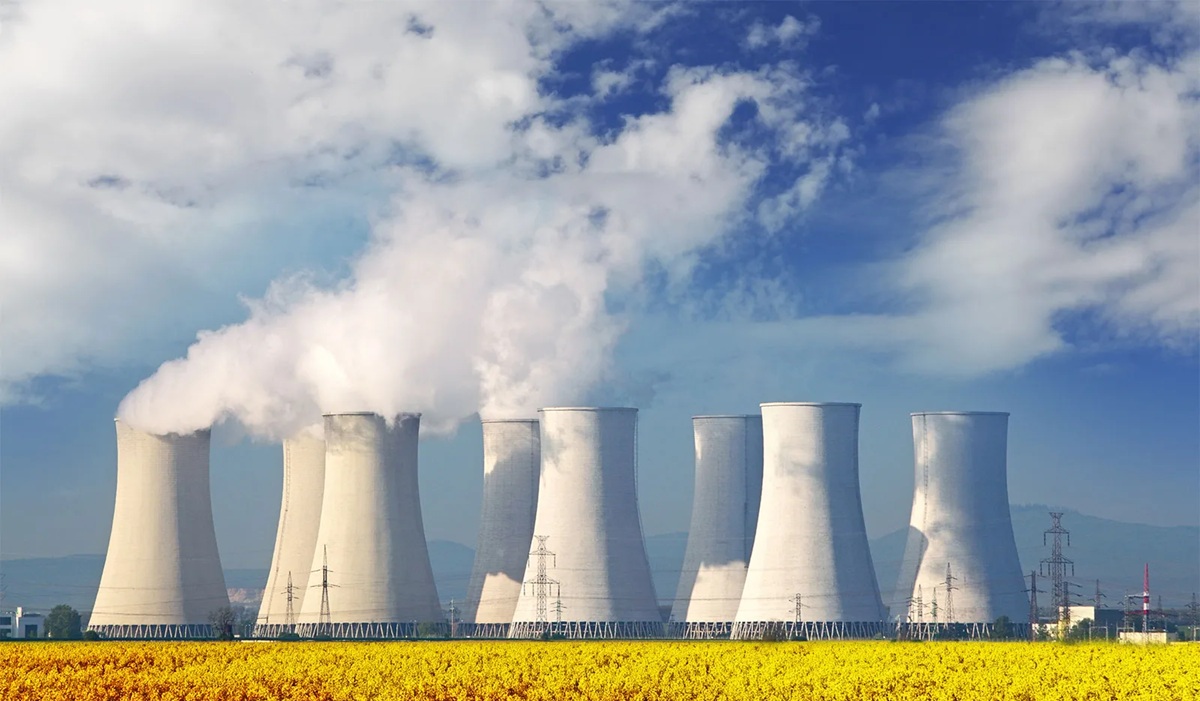

Kathmandu. In a major development for the global energy sector, major insurance companies are creating special coverage to support the reintroduction of nuclear energy.
Nuclear power is gaining new attention as a reliable low-carbon energy source amid increasing electricity demand from artificial intelligence (AI), data centers, and other high-tech industries. A few days ago, on May 19, Markle International and broker Willis announced the launch of a first-of-its-kind dedicated insurance facility for nuclear projects. This new arrangement aims to provide full-scope coverage of up to $250 million, covering both the unique risks of nuclear operations and matters related to general assets.



This feature is unique. Because it will support the entire process of the nuclear project from the initial construction stage to the daily operation. This includes coverage for property damage and business interruptions. This means that if something goes wrong and the plant has to be shut down, insurance can help cover lost income as well as maintenance costs.
Importantly, it addresses “nuclear critical” risks, such as those directly related to radioactive materials, and traditional risks such as fires, mechanical failures or weather events. Which can affect any industrial site. This end-to-end approach is designed to give developers, operators and investors more confidence in building new and restarting existing plants.
The timing of this launch is no coincidence. Countries and companies around the world are turning to nuclear energy to meet their growing electricity needs in an effort to reduce their dependence on fossil fuels. Major tech companies such as Microsoft and Meta have reached agreements to restart nuclear plants and buy electricity from them. Conventional large reactors, as well as smaller, more flexible advanced reactors and small modular reactors, are at various stages of planning. However, the construction and operation of nuclear facilities involve complex risks, high initial costs and long timelines. Which can make financing difficult without solid insurance support.
By integrating expertise and capabilities, Merkel and Willis hope to fill existing market gaps and encourage further investment in this clean energy alternative. Beyond this specific nuclear facility, the large insurance industry is looking for new ways to address specific and difficult-to-predict risks.
One positive development is the emergence of parametric insurance solutions. Unlike traditional insurance policies and which require a detailed assessment of the actual damage before making payment, parametric insurance automatically initiates payment upon completion of certain predetermined conditions such as specific earthquake intensity, wind speed, radiation level threshold or power plant downtime. This allows for faster claim processing. Most offer cash within days instead of months. That could be crucial for keeping the project running after the event.
Parametric products are particularly useful for emerging risks. Where traditional insurance can be short or very expensive. In the nuclear space, they can cover events such as regulatory changes, supply chain disruptions, or sudden shutdowns due to certain cyber incidents that affect control systems.
Munich Re and other insurance companies already offer parametric cover for natural disasters and the concept is also spreading to energy transition projects. For ordinary businesses or governments, this approach reduces conflict in deficit assessments and helps fill safety gaps in areas such as climate-related events or new technologies.
Of course, there are subtleties to these inventions. Nuclear insurance has long relied on government-backed bridges and international conventions. It manages large liabilities, and new features such as Merkel-Willis are meant to complement those systems, rather than replace them.
While parametric solutions are faster, payments carry a “base risk” of not fully matching the actual losses. Regulators, insurance companies and customers are still figuring out the best ways to accurately measure triggers and ensure fairness. Despite these challenges, the pace is clear that as societies become increasingly reliant on nuclear energy to support everything from electric vehicles to AI, the insurance world is adapting to provide the financial safety net it needs to do so safely and sustainably.
This combination of dedicated capacity facilities and smart parametric devices can play a pivotal role in shaping the future of energy. For the public, this means a more stable power supply and progress towards climate goals, despite the behind-the-scenes technical details in boardroom and underwriting departments. As nuclear projects grow, the hope is to keep the lights on, both virtually and practically. More creative insurance methods will emerge for this. –Agency