




Kathmandu. Most physical infrastructure builders assume that contractor all-risk insurance covers everything that happens on the site. At first such an assumption seems logical. Because its name itself includes “all risks”.
But the reality is very different. And this misunderstanding is one of the most common problems we see when construction companies arrange insurance for a project. An attempt has been made to clarify this here.



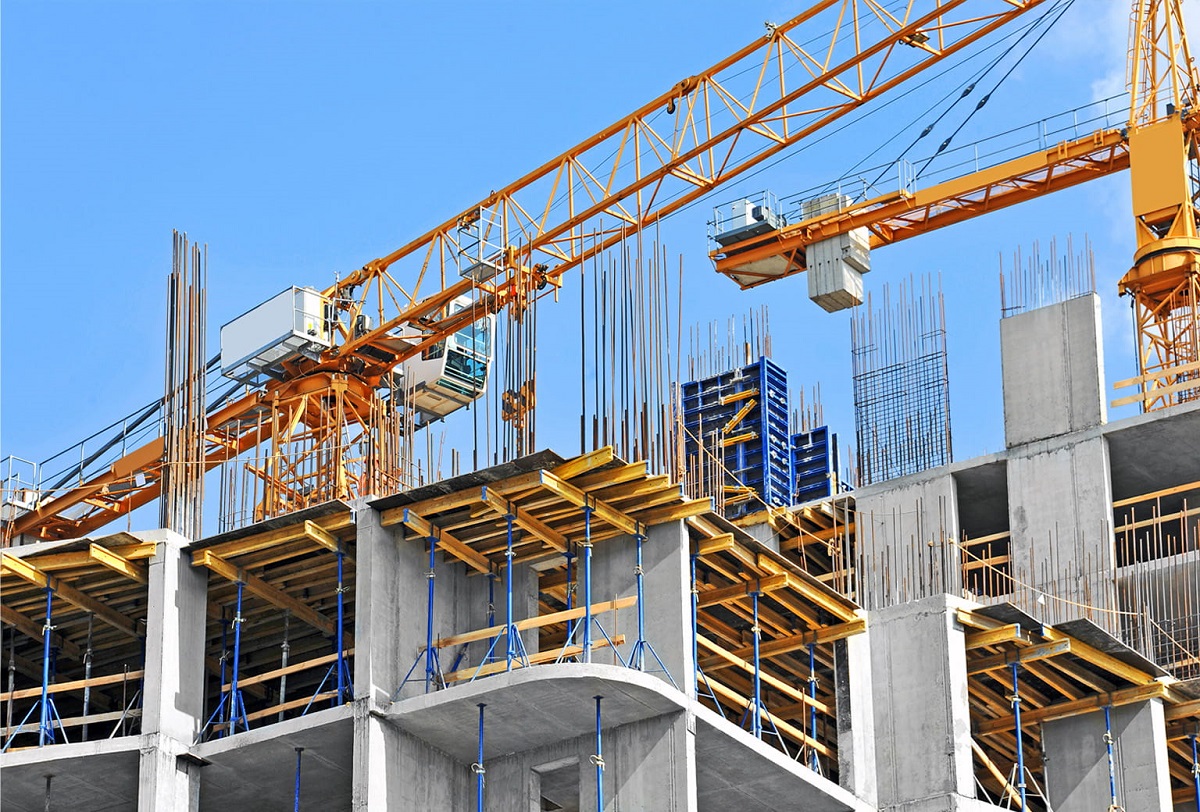
What exactly does contractor risk insurance cover? During construction, the contractor’s all risk insurance covers the physical construction. This typically includes things like fire, flooding, storm damage, vandalism, theft of materials, or accidental damage during construction. If the structure under construction is damaged, all-risk insurance is an insurance solution designed to return the project to its pre-damage condition.
For builders and investors, this protection is necessary because the project itself is a project asset of large investment.
What risks does it take?
Despite the name, not all insurance covers everything involved with construction. As an exception, in cases where risk is not included, the following aspects are:
– Poor construction efficiency or flawed design
• Loss due to construction delay
• Structures erected at the construction site unless specifically included
• Liability for injury or damage to third parties
That’s why construction companies often need public liability, employer liability, or additional structural risk bearing in addition to all-risk insurance.
We routinely see situations where lenders request specific insurance structures such as stated interests, joint names, or first loss payer clauses. If not all risk insurance policies are properly managed, these terms can delay receipt of indemnity or even delay the start of the project.
Getting the structure right from the start can avoid last-minute stress when the fund’s deadlines are already tight.
The contractor fully insured the building or physical infrastructure construction project itself during construction. Everything around the project usually involves additional risk designed to work with it. When construction companies understand this aspect quickly, it is much simpler and much quicker to arrange the right protection.