



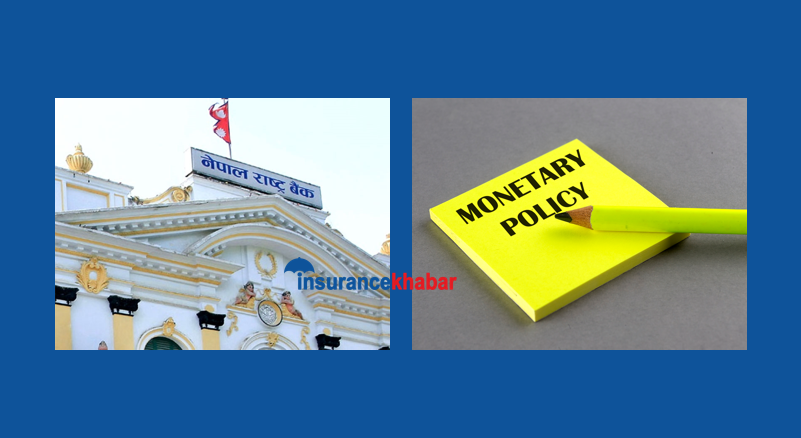

Kathmandu. KATHMANDU: Nepal Rastra Bank (NRB) has reached the final stage of formulating the monetary policy for the coming fiscal year. Although the external sector seems to be balanced in the country’s economy, the central bank has intensified the homework for the new policy at a time when the pressure is increasing due to the contraction in domestic production, demand and investment.
The Economic Research Department of the Rastra Bank is currently collecting suggestions from various stakeholders and sector experts with the goal of making it public by mid-July. The central bank faces the challenge of addressing the paradoxical situation of excess liquidity but low credit flow, especially in banks.



According to experts, the main concern now is the liquidity trap. Although there is sufficient money in the market, there is no demand for loans due to lack of investment environment in the private sector. Experts say the problem is not just a result of the banking system but also the government’s policy ambiguity and crisis of investor confidence. It has been analyzed that the economy is pushing towards recession as the entrepreneurs involved in the industry and trade sector do not take loans and the banks are unable to take risks. In this situation, it has been suggested that the Rastra Bank should identify the root cause of why the loan could not increase and bring a balanced policy to remove it.
Experts have stressed on the need to discourage the NRB’s micro-management in the banks and financial sectors while formulating monetary policy. For the past few years, voices have been raised that the NRB has been interfering in the minor issues of the internal operations of the commercial banks, from the salary of the chief executive officer of the commercial banks. Experts argue that the central bank should always focus on macro and policy aspects and give banks their business freedom. They believe that only this will increase competition and efficiency in the financial market.
Looking at the international scenario, the monetary policy should be very cautious and responsible as Nepal is still at risk of a grey list related to anti-money laundering. At such a sensitive time, the NRB cannot be very generous. In the context of a special audit of 10 big banks, there is a need to give first priority to financial stability.
Experts have warned that it would be suicidal to be more flexible in working capital guidance when bad loans (NPLs) have reached around 5 per cent and banks’ profits have shrunk. It has been analyzed that it is not appropriate for banks to look only for regulatory facilities instead of improving their internal management and focusing on credit quality.
Regionally, it has pointed out the need for special policy arrangements to make agriculture and energy sectors dynamic. At a time when the agricultural loan has not reached the real farmers and the non-farmers are misusing it, the NRB has suggested that the central bank should closely monitor it and make arrangements to provide subsidies to the genuine producers.
Likewise, demand for huge amount of loan could be created in the hydropower sector if the monetary policy facilitated the budget to allow private sector for cross-country trade in the energy sector successful.
It is imperative that there should be a synergy between the expansionary budget brought by the government and the monetary policy brought by the Rastra Bank. The budget has set a limit of 6 percent economic growth and 6 percent inflation. The increase in the income tax threshold and the expectation of spending the development budget are likely to increase the flow of money in the market. In such a situation, monetary policy may have to choose a contractionary or balanced path to control inflation and maintain price stability.
The current problem cannot be solved by monetary tools alone. Concerted efforts of the government, Nepal Rastra Bank and the private sector are needed to remove the trust deficit seen among investors.
Experts have concluded that the monetary policy should be focused on creating overall demand by ending the situation in which those holding deposits in banks get less interest than inflation and borrowers do not see the investment environment. Experts say that the direction of the economic direction of the coming year will be determined by how much flexibility the NRB shows in the upcoming policy and how tight it is.