



Kathmandu. In the Hollywood film industry, insurance is no longer just a financial product. It is an important part of the entire production system. Hollywood filmmaking, with big budgets, international locations, expensive casts and complex stunts, carries a high level of risk. That’s why most major studios and investors are reluctant to finance projects without insurance.
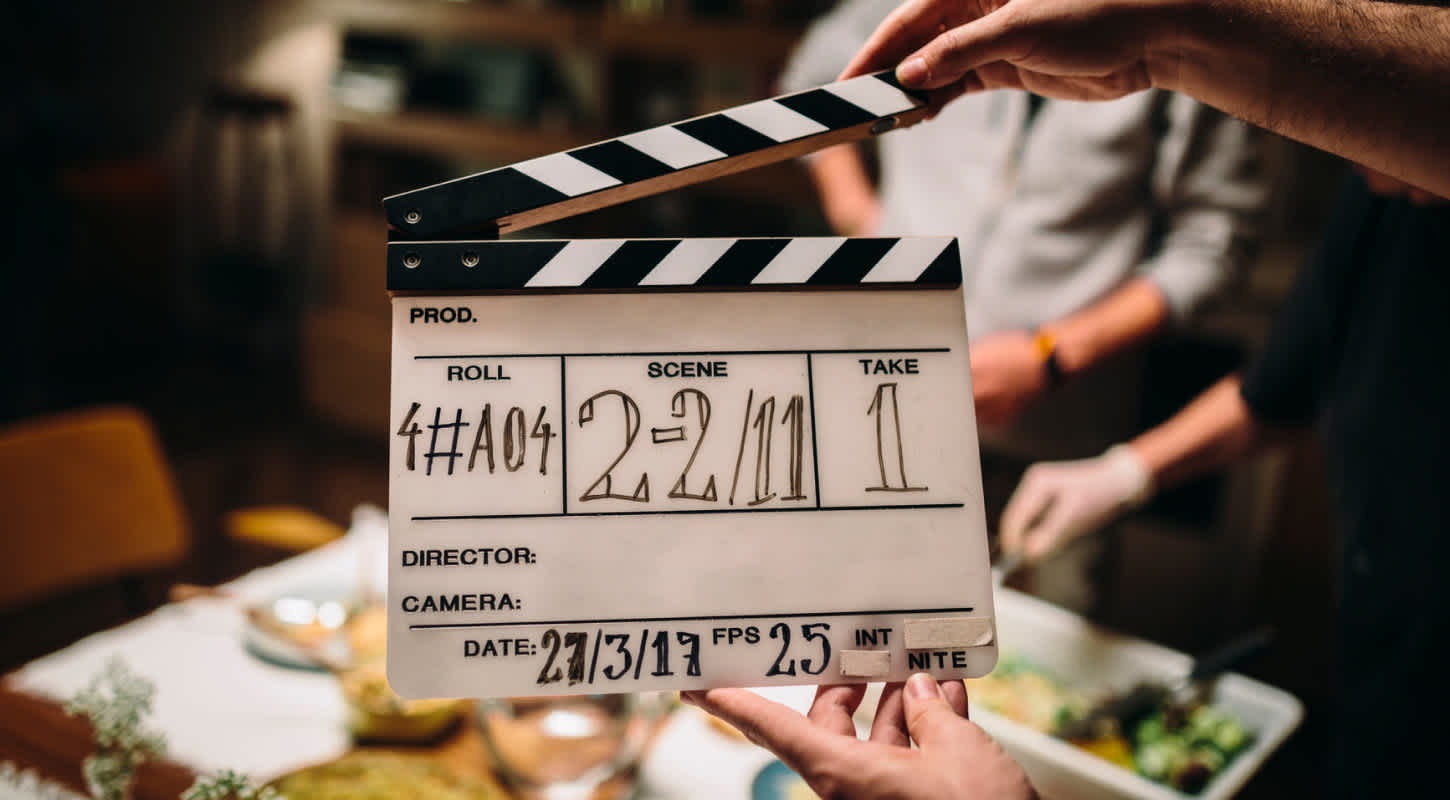
It costs millions of dollars to shoot a day for a major Hollywood movie. In many cases, the cost can exceed $5 million. So if filming is stopped due to bad weather, accidents, technical glitches or illness of the main actor, losses can quickly run into the millions of dollars. To reduce this risk, manufacturers purchase different types of insurance coverage.



There are many types of insurance used in Hollywood. This includes product, general liability, workers’ compensation, equipment, costs, and defects and exemptions (E&O) insurance. Each type of insurance is designed to cover specific risks.
One of the biggest risks in filmmaking is the loss of the lead actor, actress, or director. Often, the entire success of a film depends on one or two stars. Filming may be postponed if they fall ill, are injured in an accident or are unable to work on time.
In such situations, the insurance of the artists is important. This insurance helps cover additional filming costs, location expenses, additional employee salaries, and rescheduling expenses. This protects manufacturers from significant financial losses.
For world-famous actors like Tom Cruise, this insurance is even more important. That’s because delays in filming on star-dependent projects can lead to significant financial losses.
During the COVID-19 pandemic, the shooting of Mission: Impossible 7 was stopped several times. A single case of Covid-19 infection forced the temporary halt of all production. Tom Cruise later advocated for stricter hygiene practices on set and publicly expressed his anger at the violations. “Studios, producers and insurance companies are monitoring my work. ’
The shutdown not only harms cinemas but also threatens the livelihoods of thousands of people. According to analysts, the incident demonstrates the importance of insurance, health protection and risk management in the modern film industry.
However, the risks are not limited to filming. Legal risk is also an important issue in the film industry. Lawsuits may arise from copyright infringement, defamation, violation of privacy, or the use of someone else’s content without permission.
Error and Discount (E&O) insurance is used to cover these risks. This insurance covers legal defense costs, court costs and in many cases indemnity costs. That’s why many studios and distributors require E&O insurance before a movie is released.
The COVID-19 pandemic is one of the biggest setbacks in the history of the film insurance industry. Thousands of shootings have been halted worldwide and countless film and television projects have been delayed. Insurance companies have faced a significant influx of claims.
Since then, insurance companies have hardened to assess the risks associated with the pandemic. In many cases, new conditions have been added. Coverage for infectious diseases has been reduced or provided in a different structure.
The fastest-growing threats that Hollywood faces today include artificial intelligence (AI), cyber-attacks, and climate change.
AI technology is enabling artists to create digital copies. As a result, disputes over content ownership, copyright and deepfakes are on the rise. According to experts, new types of insurance may be needed in the future to address these risks.
On the other hand, the risk of cyber attacks is also increasing. Theft of film footage, corrupted editing files or leakage of films before release is now a major concern. Ransomware attacks are also a risk. This is making cyber insurance increasingly important.
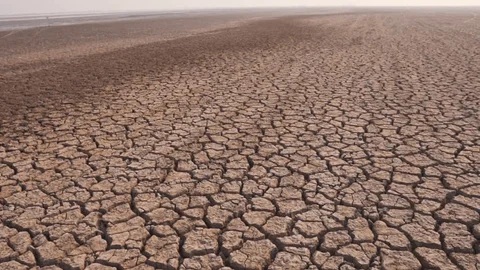
Climate change is also affecting the film industry. An increase in heat waves, wildfires, storms and flooding are making outdoor shooting even more unpredictable. As a result, the demand for weather-related coverage is increasing.
Other sectors of the insurance industry, such as recreational insurance, are also at risk of fraudulent claims. However, the claim verification process is quite stringent due to the massive amount of coverage in Hollywood. Insurance companies typically verify claims through medical reports, financial documents, and independent evaluations. That’s why it’s very difficult to successfully file a major fraud claim.
Many film and TV productions were delayed during the COVID-19 pandemic. As a result, insurance claims amounted to millions of dollars. Most of these claims were for pandemic-related expenses, postponements of filming and additional safety measures.
Due to COVID-related delays, the cost of budget projects like Mission: Impossible – Dead Reckoning Part One has increased. According to various reports, the film’s budget has increased significantly due to production delays. In addition, regular insurance claims are paid due to reasons such as equipment damage, location accidents, stunt-related incidents, and loss of digital data.
According to experts, it is almost impossible to operate without insurance in the modern film industry. A major project involves hundreds of workers, billions of dollars in investment, international locations and high-profile stars. As a result, an accident, legal disputes, or filming delays can put the entire project at financial risk.
For this reason, in today’s Hollywood, insurance is seen not only as a security but also as a prerequisite for making a successful film. –Agency