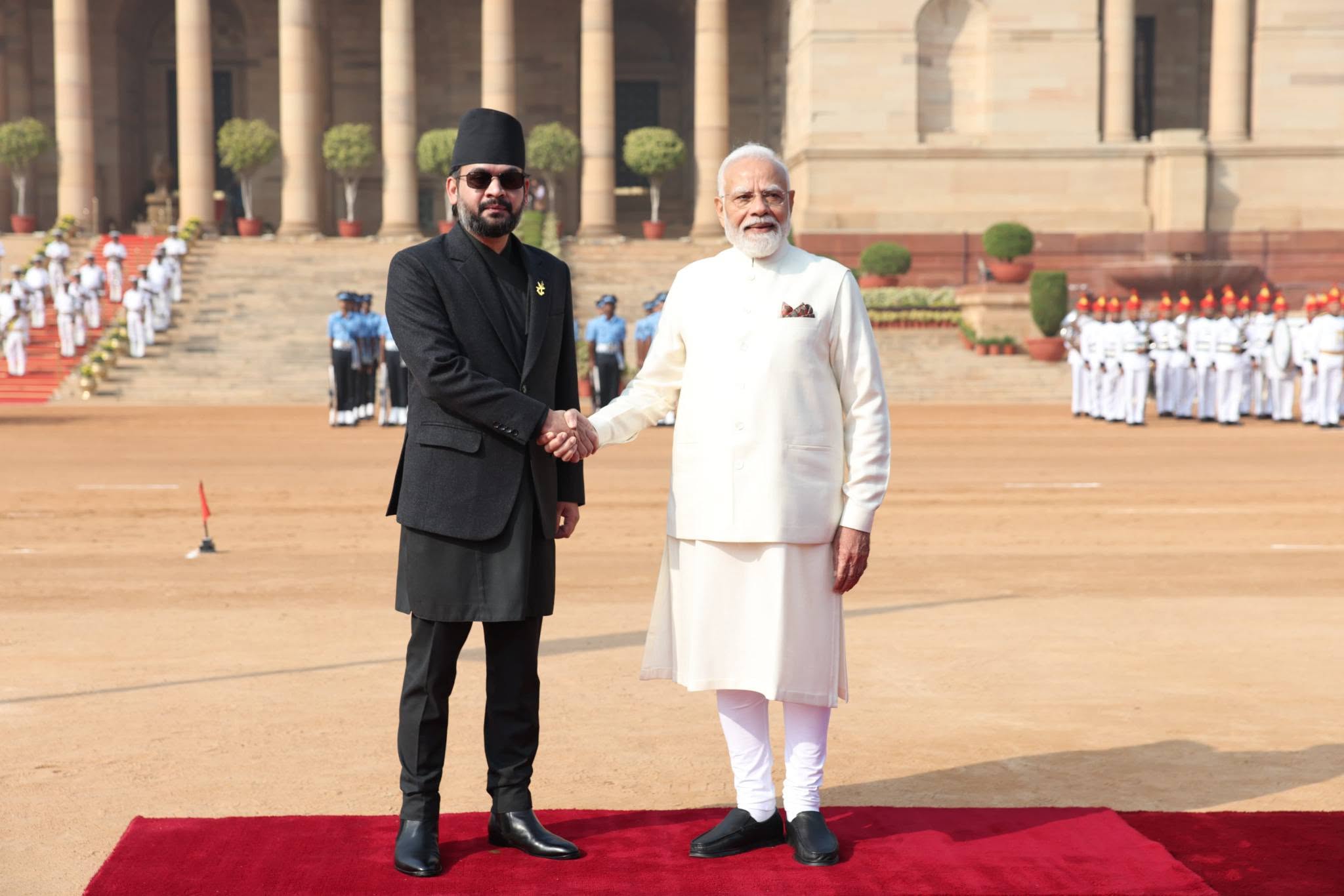
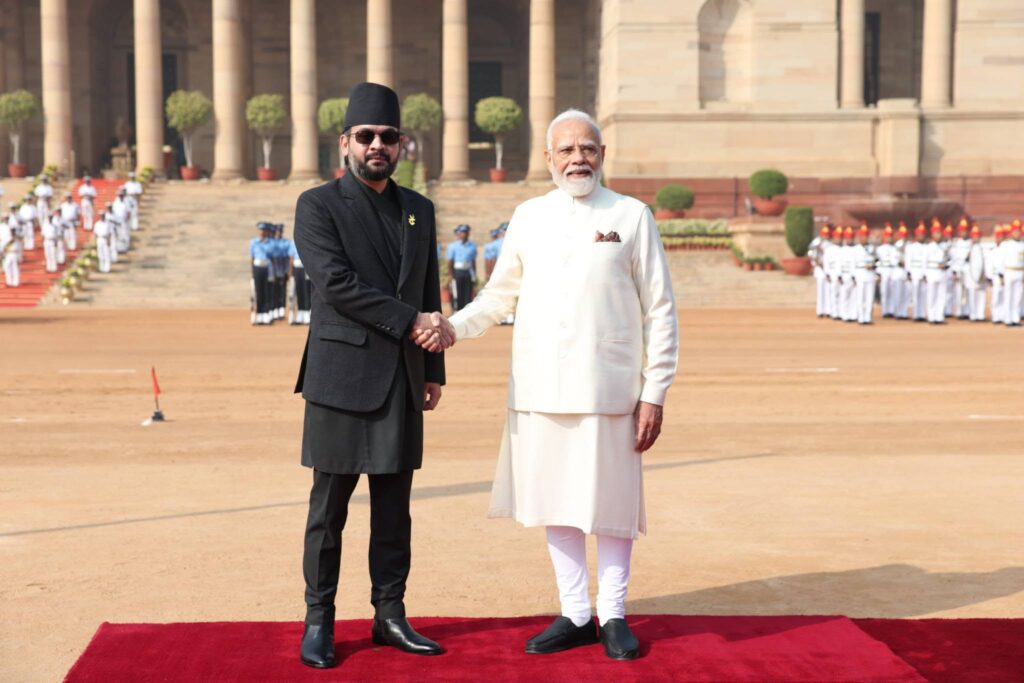
Kathmandu. TAG_OPEN_span_55 Considering the joint statement issued after Prime Minister Balendra Shah’s recent visit to India and the agreements reached during then Prime Minister Pushpa Kamal Dahal ‘Prachanda’s’ visit in 2023, it appears that an old disease in Nepal-India diplomacy has flared up again. The government changed, the face changed, The language of the statement was a bit more polished, but the result was the same: repeated borrowed promises instead of concrete work.
Looking at the joint statement issued in 2023 and the joint declaration issued on Monday, what is startling is that, clear deadlines set three years ago have quietly disappeared from this communiqué. Both sides have lost the courage to ‘finish within these months,’ and instead, they resort to the safest and laziest word in diplomacy, ‘soon.’TAG_OPEN_span_50
Old saga, same turtle pace: what repeats?
Comparative studies of both releases show that our large projects are running only on paper, haven’t moved an inch on the ground:
-
Pancheshwar (deadline missing): For the Pancheshwar multipurpose and TAG_OPEN_span_46 project, which has been under Indian occupation for decades, a solid promise was made in 2023 to finalize the DPR within 3 months and build the modality within 1 year. Three years have passed, There is no trace of the DPR. Now, with 2026 coming up, the deadline is out of the question, On the contrary, the DPRs for Saptakoshi and Sunkoshi have been mixed in and ‘finalized soon.’ This diplomacy of adding new weight without failing to burden the old is a kind of strategy.
-
Raxaul–Kathmandu Railway: In 2023, India had already submitted the ‘Final Location Survey’ report of this railway to Nepal. Surprisingly, in the 2026 release again included the same survey as ‘finalized’ in the list of achievements. The same technical work was made ‘breaking news’ twice within three years,} but the question of who will contribute the money and when the train will run remains unclear.
-
ICP and Pipeline: In 2023, the Sunauli-Bhairahawa and Dodhara-Chandni integrated customs posts, which were laid with pomp and ceremony, are still hanging the tag of ‘Under Construction’. The second phase of the Motihari–Amlekhganj pipeline has been completed, but the Siliguri–Jhapa pipeline, agreed upon in 2023, is still waiting for ‘early start’. Even more interesting, The petroleum terminal planned to be built in Chitwan has completely disappeared from this year’s press release.
-
Hydropower:{ The old agreement for 10,000 megawatts of electricity trade over 10 years is now remembered only as a formality. The statement is silent on the trilateral trade or new targets towards Bangladesh. In 2023, without mentioning the much-discussed Phukot Karnali and Arun-III, there has only been a vague appeal to complete Indian investment projects.
Where India’s interest is, there is speed
Looking at the progress of the past three years, a harsh truth becomes clear. Where there is direct investment from India, construction and control, work has progressed quickly. The second phase of the Motihari–Amlekhganj pipeline, the Jogbani–Biratnagar and Kurtha–Bijalpura rail services, and the foundation stone laying of the lower Arun (669 megawatts) are proof of this.
But projects where even Nepal benefits have been attached, not an inch of progress has been made. Pancheshwar, Raxaul–Kathmandu railway and integrated check posts are tickling the air.
New package and the glitz of ‘Joint Vision’
Amid disappointment, the 2026 visit certainly brought some big and attractive promises. India has announced a development package worth 15,000 crore rupees (2.4 trillion rupees) for Nepal. This includes concessional loans of 11,500 crore rupees for energy and 3,500 crore rupees in grants for disaster reconstruction.
Similarly, Access to Kandla in Gujarat and Paradip Port in Odisha in the future, a two-way air route from Bhairahawa to Lucknow, agricultural industrial zone in Chitwan, and the establishment of an IIT campus have sparked new hopes. The directive given to foreign secretaries to resolve border issues and the joint vision paper of ‘Developed India and Samutan Nepal’ have been promoted as major achievements.
Finally: an implementation test or preparation for the next release?
In 2023, then Prime Minister Dahal promised full cooperation to complete the Indian project on time. However, the Indian side has reiterated its tendency to delay the construction of the Pancheshwar multipurpose project and keep continuously consuming water and irrigation on Indian soil. Failing to set a date for when to start work on Pancheshwar may reduce diplomatic pressure on the leaders,, but it reduces the bureaucracy’s accountability to zero.
Prime Minister Shah’s visit has brought new energy to the relationship and promises of a major economic package. But, looking at the track record of past agreements, the TAG_OPEN_span_28 TAG_CLOSE_span_29 only doubt arises—will this ‘joint pledge’ really be a brick in the ground, or will the next Prime Minister visit Delhi in two or three years, and then a statement will be printed saying ‘will be implemented soon’?