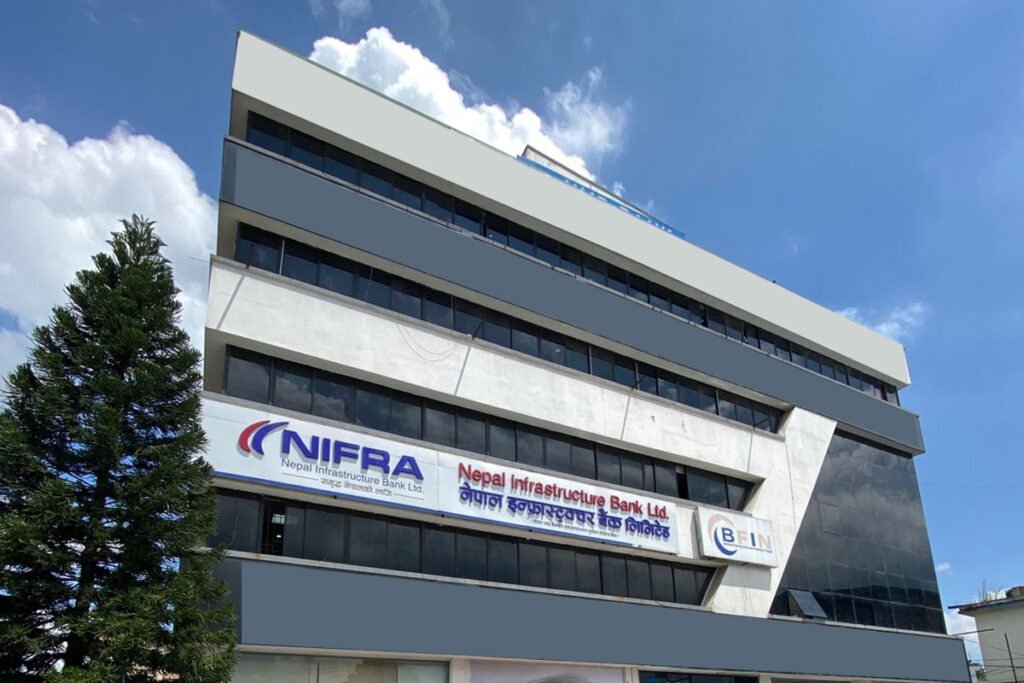






Kathmandu. The sale of non-banking assets, which has been a challenge for banks and financial institutions for a long time, has started showing signs of improvement in the last few months. Low interest rates, easy loan facilities and the active participation of customers in the retail segment have led to the sale of small volume of non-banking assets. But bankers say there are still questions about how sustainable the reform will be.
Currently, the demand for non-banking assets is mainly limited to individual purposes. Bankers say that there is a growing interest in small plots of land, small houses and residential properties that can be built for houses. Transactions of properties up to Rs 10 million have increased especially in Kathmandu Valley and properties worth Rs 40-50 lakh outside the valley.



With the reduction in interest rates, customers have started feeling comfortable to take small loan loans. Customers who do not want to take risks on big investments seem to be paying attention to safe retail properties. This is the reason why the sale of small volume non-banking assets has increased.
The impact of this has also been seen in the data of the banks. Non-banking assets of commercial banks decreased to Rs 43.05 billion from Rs 43.24 billion in mid-October. Despite the increase in sales, the overall size has not decreased significantly as the addition of new non-banking assets has not stopped.
According to bankers, there is no demand for commercial and large-volume non-banking assets. Customers have not shown interest in hotels, commercial buildings, big land and commercial projects. This indicates that the overall market is still sluggish.
It is doubtful that the sale of non-banking assets will be sustainable until the economy is fully restored. It is difficult to create a demand for big properties unless the business expands and investors are confident.
However, the settlement of small volume of non-banking assets has provided immediate relief to the banks. When such assets are sold, the bank’s profitability improves, the retail portfolio’s funds return to profit, and the capital fund is strengthened. This is expected to help expand the lending capacity of banks.
Overall, the improvement in the sale of non-banking assets is a positive sign. However, for this recovery to be sustainable, it is necessary to increase overall demand in the economy, improve the investment environment, and return to confidence in the business sector. Until these grounds are ready, it is too early to say that the challenge of non-banking assets will be completely overcome.