




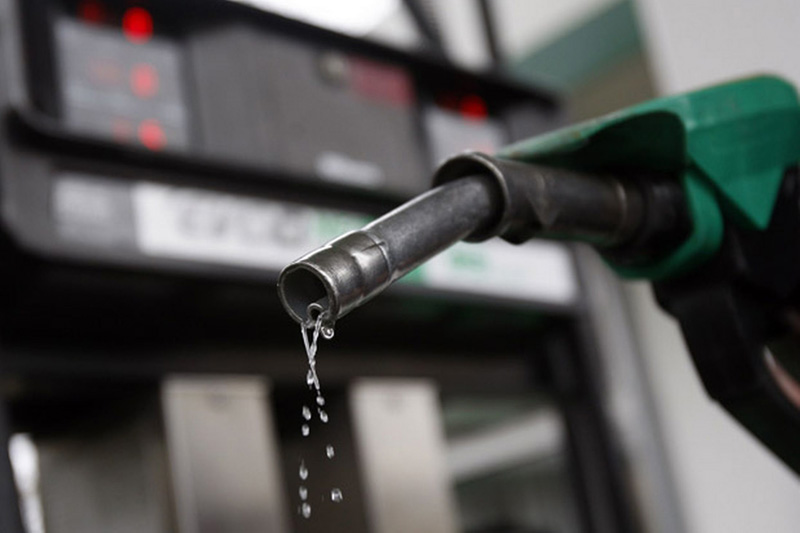

Kathmandu. The government led by Prime Minister Narendra Modi has made a major decision regarding petrol and diesel. Under this, the wingfall tax (tax) on diesel exports has been increased, and taxes on aerial turbine fuel (ATF) have also been raised. On the other hand, the tax on petrol has been set at zero for two weeks starting November 16.
How much has the diesel tax increased?



According to a PTI report, India’s Finance Ministry issued a late notice on November 16, stating that the tax changes would take effect immediately. Under the latest changes, along with road and infrastructure cess, the Special Additional Excise Duty (SAED) on diesel exports has now been increased from 11.5 per liter to 14 rupees. Meanwhile, the duty on ATF exports has been raised from 11 to 12.5 rupees per liter.
{{TAG_OPEN_strong_18}Why has there been no change in the tax on petrol?
Although taxes on diesel and ATF have been increased, the government has set the unexpected tax on petrol at zero for the next two weeks. However, this will not affect India’s domestic market. The Finance Ministry stated that there has been no change in the current customs rates on petrol and diesel approved for domestic consumption.
What impact will this have on the domestic market?
It is noteworthy that this will have no impact on Indian consumers and the general public. The government’s intention behind the unexpected tax hike is to reduce exports amid the West Asia crisis and ensure domestic availability of petroleum products. Additionally, this step has been taken to prevent exporters from taking excessive advantage of international prices. This will help prioritize domestic supply.
What is a ‘windfall tax’?
Crude oil prices fluctuate in international markets. If global oil prices are higher than domestic fuel prices, refineries increase exports to increase profits. To prevent this and ensure domestic availability, the government imposes an unexpected profit tax. However, when global oil prices fall, companies themselves reduce exports. In such cases, the government decides to reduce or remove the disaster tax. –Agency