



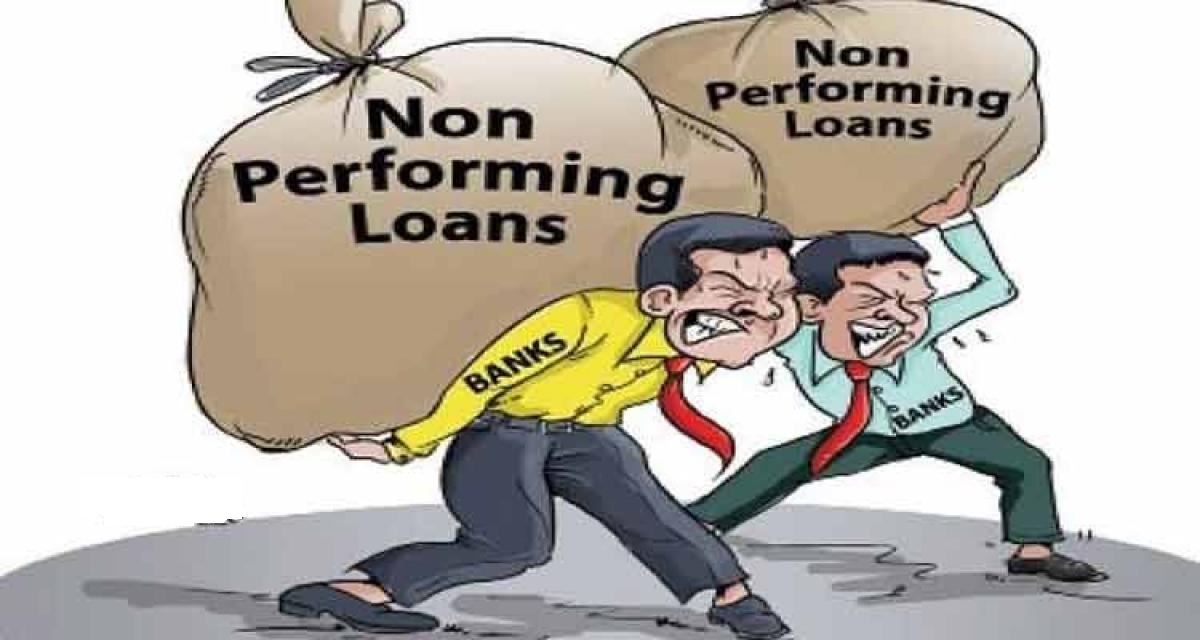

Kathmandu. Bankers and financial sector experts have said that the increase in non-performing loans (NPL) in the banking system is not only affecting the financial health of the banks but also on the loan repayment behavior of the borrowers. Although the borrowers in financial crisis need targeted relief, they say that the practice of frequent loan restructuring, interest and penalty waiver and loan waiver can encourage the tendency to seek relief when the problem arises rather than repaying the loan on time.
According to bankers, debt restructuring or rescheduling is necessary to save a business that is in real financial trouble. However, if a discount of the same nature is given without evaluating the real condition of the borrower, it can weaken credit discipline. “It is not the same thing to help a troubled borrower to restart the business and to facilitate a borrower who deliberately withholds payments,” said a banker, “If both are treated equally, the borrower who pays on time may also think that he will get some benefit by stopping the loan in the future.” ’



The reason behind the increase in NPAs in the banking sector is due to economic slowdown, contraction in business, natural calamity, weak project selection, misuse of loans, changes in the price of collateral, decrease in investment returns and policy uncertainty. Apart from this, bankers say that weak loan valuation and the tendency of some borrowers to deliberately not repay have also added to the problem.
Financial sector experts, however, say that the problem of NPAs should not be seen only in terms of the recovery capacity of the bank. According to them, it is equally important to see what kind of incentive the policy related to loan repayment is creating in the behavior of the borrower. “If the economic outcome is not different between the borrower who repays on time and the borrower who does not repay it on time and takes the repayment later, then the system sends the wrong signal,” the expert said, “This can raise the expectation that even if the borrower does not repay now, he will get some relief later.” ’
Experts say that the past practice of government loan waiver in Nepal should also be seen in this context. Fiscal year 2065. Through the budget of 2066, the principal and interest on the loans of certain borrowers who are below the poverty line were waived in the wake of natural calamities, conflicts and poverty, and the remaining interest and penalty on loans above a certain limit. Although it is necessary to provide relief to the borrowers who are in real trouble, experts say that if such programs spread beyond the target group, it may affect the loan repayment behavior in the future.
After that, the provisions of the ‘Small Farmers and Entrepreneurs Loan Waiver Procedure, 2069’ have also increased the expectation of loan waiver, according to financial sector experts. They say that in the past, the situation of stopping the loan repayment has been seen in the past that the other group of borrowers would also demand the same relief and they should also get the same relief.
The same challenge was seen after the Covid-19 pandemic. Provisions were made to provide relief to the borrowers after the disruption of business operations due to the pandemic and the reduction in income, including interest and fee subvention, installment deferment, loan restructuring and rescheduling. Bankers say that while such measures are necessary to protect businesses that are in real trouble, it has created wrong incentives when borrowers who have not been able to fulfill their obligations for a long time get the same facilities.
“The relief is aimed at saving the business, not to develop a culture of not repaying loans,” said a banker. ’
Experts say that the difference in interest rates and the process of refunding the overcharged interest can also affect the behavior of the borrower.