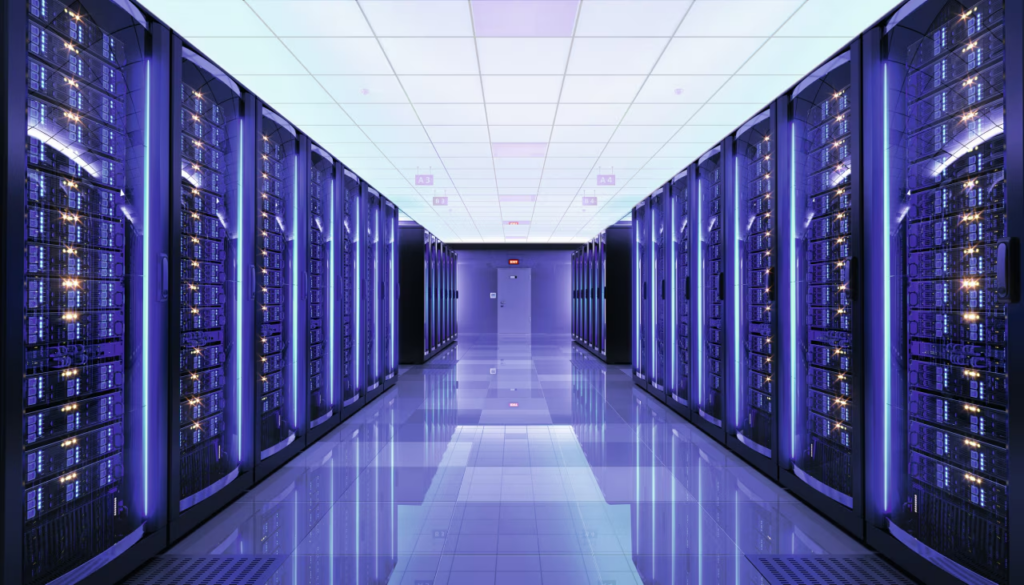




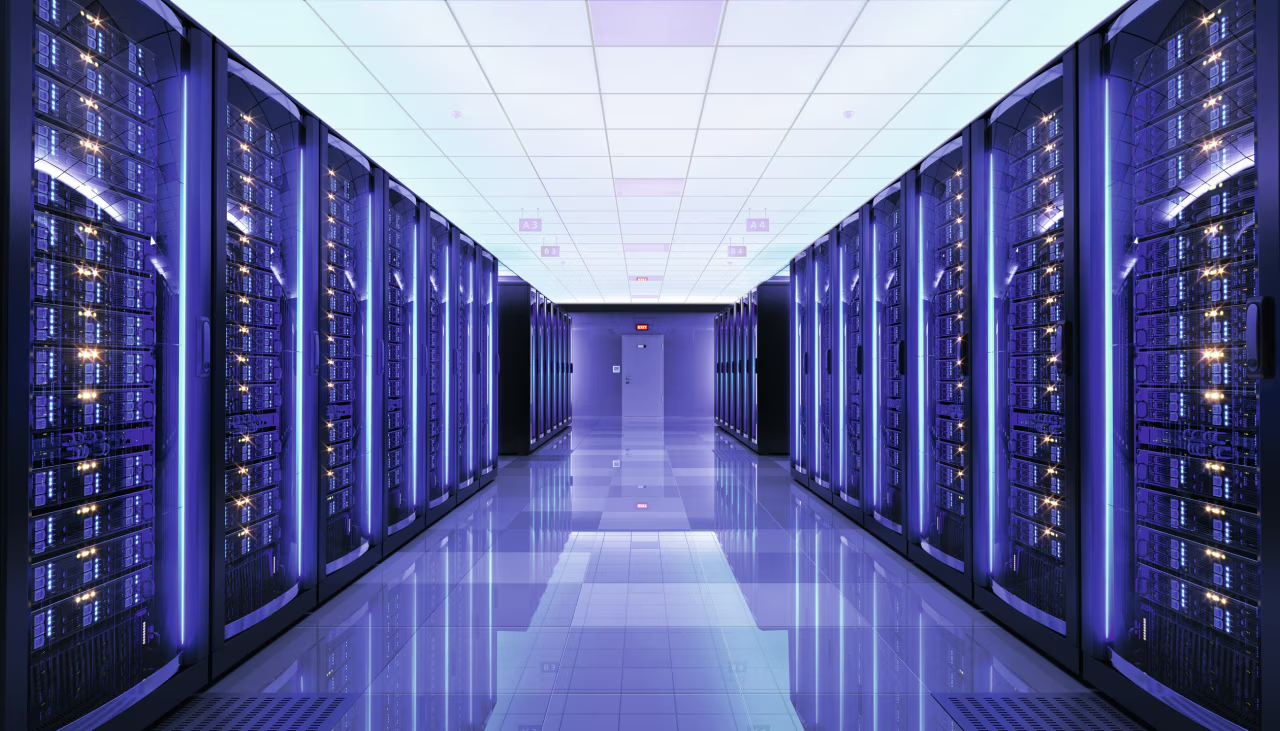

Kathmandu. The growth of data centers powered by artificial intelligence (AI) is creating new construction, operation, climate, and insurance risks. China and the United States are expected to account for the majority of the market.
According to a report by Allianz Commercial, annual investment in data centers is expected to more than double from about $500 billion in 2024 to more than $100 billion by 2027. The report, titled “The Data Center Construction Boom: Risks and Claims Trends,” says that investments are expanding beyond data center buildings to include power generation, grid infrastructure, cooling systems, networking, and semiconductor manufacturing.



The U.S. and China are expected to account for about 62 percent of global data center capacity by 2030. Europe is expected to see faster growth due to power availability and permitting requirements in Spain, Finland and Denmark. Other markets are also growing.
Excluding China, the installed data center capacity in the Asia-Pacific region is expected to increase from about 9 GW to more than 28 GW by 2030. Malaysia is expected to experience more than 10 times growth.
According to Thomas Lillelund, CEO of Allianz Commercial, the proliferation of AI is transforming data centers from traditional real estate assets into critical infrastructure. “Success will depend on increasing resilience,” he said, citing access to electricity, reliable supply chains, construction controls, climate-conscious site selection and insurance coverage.
Climate risk is also becoming a major consideration for the region. According to Allianz, about 79 percent of the global data center capacity is located in areas at high risk of natural disasters. While 54 percent are under the pressure of continuous heat and drought.
Some of the fastest-growing data center markets, including Northern Virginia in the US, Johor in Malaysia and Marseille in France, also face major climate risks. Severe risks from flooding, wildfires and high winds affect 86 percent of data center capacity in the US. In the Asia-Pacific region, 89 per cent of capacity is affected by persistent heat and drought.
Increasing risk is also increasing the demand for insurance. The global data center insurance market is projected to more than double by 2030 from the current approximately $11 billion.
The construction cost of an AI data center campus could exceed $20 billion. However, the insured price increases further after the installation of high-performance computing equipment.
Allianz expects demand to expand beyond traditional property insurance to cover risks related to construction, engineering, business disruptions, cyber and liability risks, as well as energy resilience and continuity of operations.
An analysis of the insurance company’s data center claims found that the fire was the leading cause of serious damage. More than half of the approximately $80 million damage analyzed has been accounted for.
Natural disasters were in second place. Then there were deliberate acts including crime and cyber incidents and power failures. Rain damage was the most common reason for claims. Then the deliberate actions will be fire and equipment damage.
Business disruption was the major reason for the severity of the claim by the insurance line. This reflects the financial impact of operational downtime.
The increasing size and complexity of hyperscale and colocacious data centers is also increasing the potential impact of individual events. An event can affect property, construction, business interruptions, liability, cyber and financial insurance lines.
Allianz said claims related to delays in resuming operations due to external cooling systems, hot works fires and power outages caused losses ranging from $50 million to $100 million. “Insurance companies need to consider not only the value of the data center but also the concentration of critical systems and dependencies around it,” said Christian Kolbe, global head of construction claims at Allianz Commercial. —Agency