



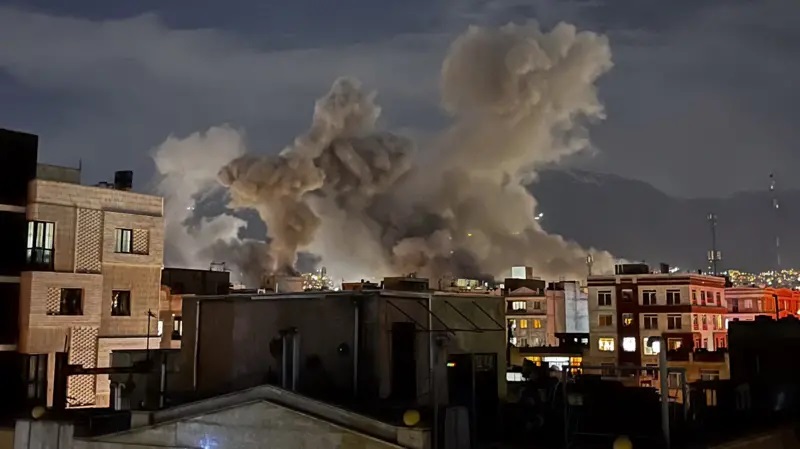

Kathmandu. Rising military tensions in the Gulf region and the Middle East, as well as the escalating conflict between the US and Iran, have posed new risks to the global insurance industry. War-related risks, supply chain disruptions, maritime and air transport disruptions, and energy market volatility are likely to increase claims and uncertainty in international insurance and reinsurance markets.
According to international insurance practice, most commercial property insurance policies generally do not cover damages arising out of war, foreign invasion, military action or hostile activities. Developed after World War II, such a ‘war exclusion’ provision excludes direct or indirect damage from war. Therefore, even in the event of a war fire, looting, or business disruption, ordinary property insurance may not be payable.



Political Violence Insurance and Reinsurance Market Pressure
After the September 11, 2001 terrorist attacks, the international insurance market developed a separate insurance product called “Political Riot Insurance”. It can cover terrorism, insurgency, riots, or even war-related damages. However, because such insurance covers “specified calamity” or limited risk, many companies have only cover terrorism or riots.
Analysts say the latest Middle East tensions include a spike in missile and drone attacks, leaving many businesses uninsured for war-related risks. This is also likely to increase the dispute between the insurance company and the reinsurance company.
Greatest risk in marine and air insurance
The international marine insurance market has been under increased risk after Iran threatened to shut down the strategic Hammuz Damru. The ship, cargo and energy industries are likely to see higher insurance premiums as the route transports the world’s largest amount of oil and gas.
Even in marine insurance, ordinary ‘ship or freight’ insurance does not cover the risk of war. Ship owners should have a separate ‘war risk insurance’. Events such as an attack or seizure of a ship in the Gulf region can lead to a large claim on such insurance.
Similarly, airlines insurance companies are also at risk due to the grounding of flights at airports in the Gulf region. If flights are grounded or damaged due to war, there is a possibility of a large claim under the ‘air war risk’ policy.
Supply chain disruption affects business insurance
The war has disrupted global supply chains as ports, airways and trade routes have been disrupted. Despite the disruption of business in the energy, transport, aviation and industrial sectors, many insurance policies do not cover war-related causes, which could lead to huge economic losses.
What is the impact in Nepal?
Although Nepal is not directly involved in the war, experts say that there may be some indirect effects as it is connected to the international insurance and reinsurance market. Insurance companies in Nepal work with foreign reinsurance companies. As the risk of war increases in the global market, reinsurance fees can become expensive.
Since the fuel, raw materials and goods that Nepal imports come through the sea route, the increase in marine insurance charges may increase the trade cost. If oil shipments are affected, the international energy market could become volatile. This could have an impact on fuel prices and economic activity in Nepal.
If global trade slows, international payment risks will increase, putting pressure on credit trade insurance. Travel insurance claims and disputes are likely to increase if international flights are affected due to war and air disruptions.
According to analysts, the current crisis has an important lesson for the global insurance industry. In this situation, the insurance policy, reinsurance structure and risk classification are extremely important. As war-related risks are often outside the reach of general insurance policies, businesses and policyholders around the world need to review their insurance coverage.
Although the direct impact in Nepal is limited, the indirect economic impact can be seen through the international reinsurance market, maritime trade costs and the energy supply chain, so the insurance sector also needs to closely monitor the situation of the global market.