




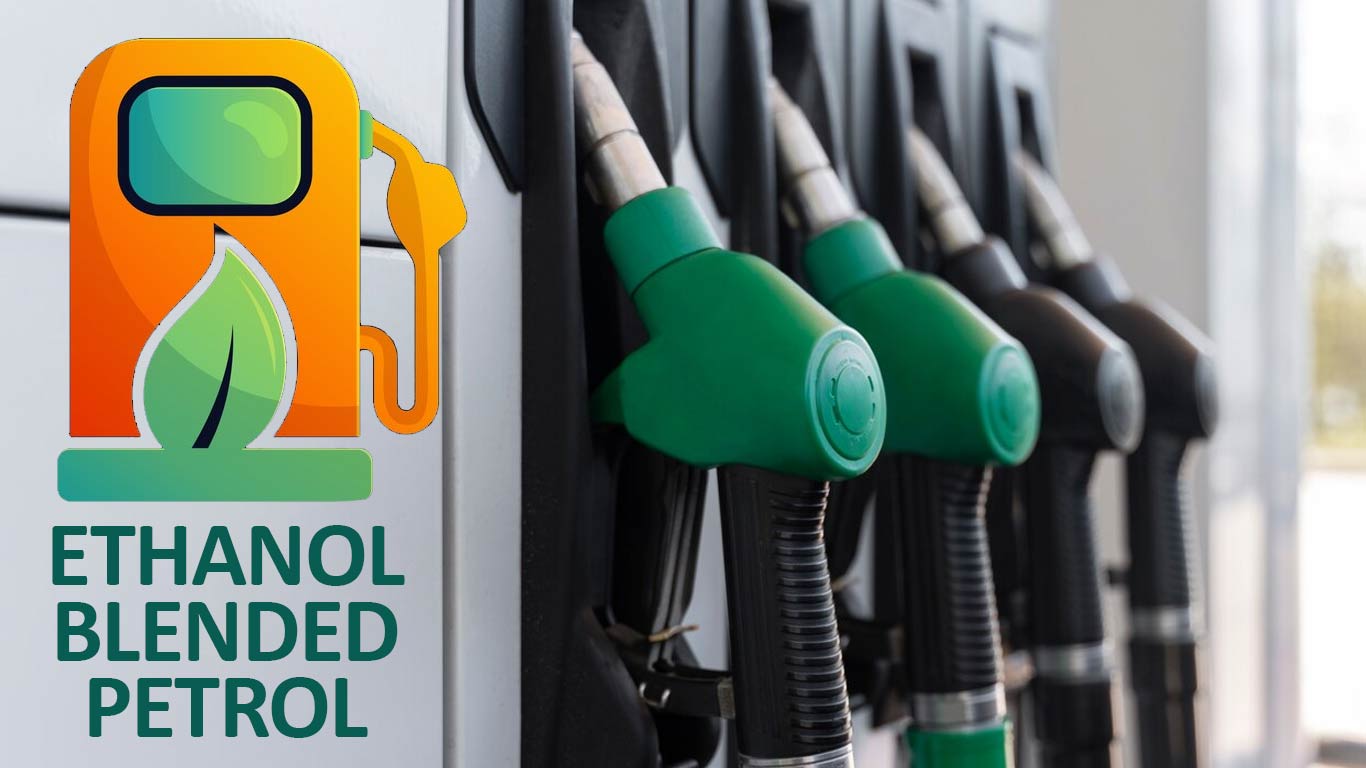

Kathmandu. The government’s campaign to blend 20 per cent natural fuel (biodiesel) in petroleum fuel used in Indian vehicles has intensified and the stress of motor vehicle owners has increased. This o
Motorists are worried that the legal mix-up, which has been imposed in the interest of some influential leaders of the ruling party and business houses close to the government, will reduce fuel efficiency and put pressure on the engine of the automobile.



India’s transport minister, Nitish Jairam Gadkari, launched a nationwide campaign to reaffirm the government’s readiness to legally cut 20 per cent of fuel so that people can buy fuel at a much cheaper price than what people expect.
According to a report by independent media outlets in India, after facing criticism that the government was selling fuel at a higher price after the start of adulteration, Transport Minister Gadkari said that increasing the use of biofuel was mandatory and mandatory to meet the goal of controlling air pollution.
The government has already given permission to fuel retailers to blend 20 per cent ethanol in petroleum products. Although the government started adulteration, the price of fuel did not come down, it became more expensive.
According to recent reports, Nikhil Gadkari, son of Union Minister Nitin Gadkari, is the main partner in Zion Agro, the company that has been awarded the contract for the production and supply of ethanol. Therefore, the allegation that Minister Gadkari has shown more interest and activism behind its promotion has started echoing loudly.
What is ethanol?
Ethanol is a fuel produced from biological sources. Ethanol fuel is produced by processing sugarcane, maize, wood, cold sugar, beetroot crushing mills in different stages. In this process, the carbon dioxide element is filtered through evaporation and the remaining element is converted into beer. Then, 80 percent of the alcohol is separated from ethanol by heating and evaporating. The separated ethanol is stored and used as fuel.
Biofuels such as ethanol have been promoted as a cleaner alternative to gasoline that can reduce costly oil imports and global warming emissions.
But the widespread legal overhaul in India has left motorists and drivers worried. They worry that the use of this fuel, as well as the warranty and motor insurance plan given by the automaker, will not be able to bear the damage caused by the new fuel.
The government has said that Evanti Fuel does not void the vehicle’s warranty or insurance and no major engine damage has been reported.
Older vehicles were designed keeping in mind the use of petroleum fuel. For the owners of these vehicles, the stress has increased as the insurance policy does not cover the burden of repairing the vehicles that come with the mix.
TAG_OPEN_span_26 Why is India’s ethanol campaign controversial?
In 11 years, the share of ethanol in fuels has risen from 1.5 percent to 20 percent, with the government claiming to have saved 1.06 trillion rupees ($12.02 billion) in crude oil imports and avoided 54.4 million tons of carbon emissions over the decade.
To achieve this feat, India has used large portions of sugarcane, maize, and rice to produce fuel, thereby decreasing food availability for the common Indian and cattle and diverting agricultural land away from food crops.
According to a 2022 study funded by the U.S. Department of Agriculture and a 2020 review published in the Royal Society Journal, the cultivation and processing of these crops to make ethanol can generate more emissions than fuel.