



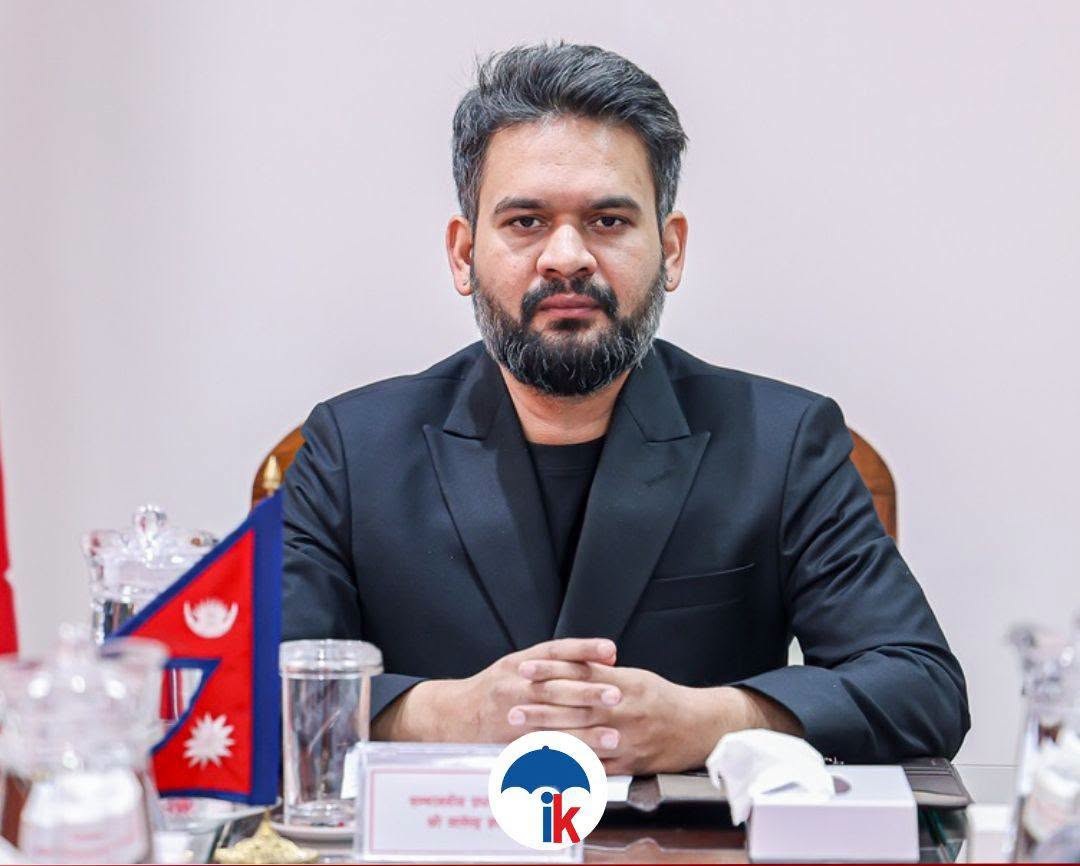

Kathmandu. Prime Minister Balendra Shah’s visit to India emphasized the need to prioritize banking and digital payment cooperation between the two countries. Despite an agreement made three years ago, Nepalis have not been able to make payments via QR in India, the limited mobilization of Nepali bank funds in Indian banks, and the inability to utilize Indian financial resources for major projects could become important agendas for Nepal.
Although economic and financial transactions between Nepal and India are expanding, the banking infrastructure and policy arrangements to facilitate it have not yet been fully developed. Trade, tourism, education, healthcare, and employment between the two countries are increasing the need for cross-border financial transactions. However, various obstacles persist in areas ranging from digital payments to banking investments.


Prime Minister Shah’s visit is taking place at a time when the governors of the central banks of the two countries have reached an understanding to quickly implement the arrangement allowing Nepalis to make payments via QR in India. The bilateral discussions held during the Asian Clearing Union (ACU) meeting organized by Nepal Rastra Bank brought this issue back to priority.
During then Prime Minister Pushpa Kamal Dahal ‘Prachanda’s visit to India, on 18th Jesse 2080, an agreement was signed between Nepal Clearing House Limited (NCHL) and India’s National Payments Corporation of India (NPCI) to connect the payment systems of both countries. Although there was an understanding to systematically integrate Nepal’s National Payments Interface and India’s Unified Payments Interface (UPI) to operate international digital payments, citizens of both countries have not been able to benefit equally from it.
Indian citizens are using the facility to make payments via QR in Nepal. However, Nepalis traveling to India have not yet been able to scan QR at shops, hotels, and other commercial establishments there to make payments from Nepali bank accounts. This disparity, which persists even three years after the agreement, is an important issue that can be raised during the Prime Minister’s visit.
However, the facility for digital money transfers between Nepal and India has been expanded between individuals (PTP). Although funds can be sent within specified limits via mobile banking and Connect IPS, merchant payments necessary for commercial transactions have not yet been fully implemented. QR payments can be useful for Nepali students going to India, patients for treatment, tourists, and businesspeople. This can reduce the hassle of carrying cash and exchange currency, as well as lowering dependence on cards.
Nepali bank funds in Indian banks
Apart from digital payments, the mobilization of funds held by Nepalese commercial banks in India and the resulting returns are another important aspect of banking cooperation between the two countries. Although Nepali banks have sufficient foreign and local currency, opportunities to earn interest and make short-term investments from the funds held in India are limited.
Currently, although Nepal Rastra Bank has the facility to invest in Indian government treasuries, commercial banks have not been able to take advantage of such opportunities. Due to the lack of arrangements to earn interest on the amount held in Indian banks and to place overnight funds, the potential opportunities available to banks in foreign exchange management have not been utilized.
If the funds held by a Nepali bank held in India can be invested in government treasuries within certain limits or used as short-term deposits, banks’ resource management could be more effective. For this, it is necessary to clarify arrangements between the central banks of both countries regarding investment limits, risk management, and regulatory oversight.
Temporary bank accounts and long-term investments
Another potential agenda is to facilitate arrangements for Nepalis who need to stay in India for a long time for study, treatment, and other purposes, such as opening temporary bank accounts there. If there is a provision to open accounts in Indian banks for a fixed period and purpose, the process of receiving, securing, and making payments for students and patients undergoing treatment can be simplified. This requires clear regulation regarding transaction limits, the source of funds, and the duration of account operations.
Similarly, to mobilize long-term financial resources for Nepal’s major infrastructure and development projects, Indian development banks can be given additional opportunities for investment. Large projects in energy, transportation, tourism, and industrial infrastructure require long-term loans. Although there is sufficient liquidity in the domestic banking system, it is not easy to meet the financial needs of all projects.
If an environment is created for Indian development banks and long-term investment financial institutions to provide loans in Nepal, the financial resources of large projects can be diversified. For this, cooperation between the two countries is necessary in foreign bank entry, investment protection, foreign exchange risk, and regulatory frameworks.
The financial relationship between Nepal and India should not be limited to digital payments and cross-border transfers alone. There are possibilities for cooperation ranging from deploying banking resources, long-term investments to expanding citizens’ financial access. Prime Minister Shah’s visit to India could be an opportunity to include these issues on the bilateral economic agenda.