





Kathmandu. The trend of insuring without a clear understanding of insurance in the life insurance market of Nepal and the statistical pictures associated with it are very worrisome.
According to a study report published by the Nepal Insurance Authority, people are not aware of the long-term benefits of insurance, losses due to inactivity and alternatives (e.g., 64.2 percent of insurance loans).


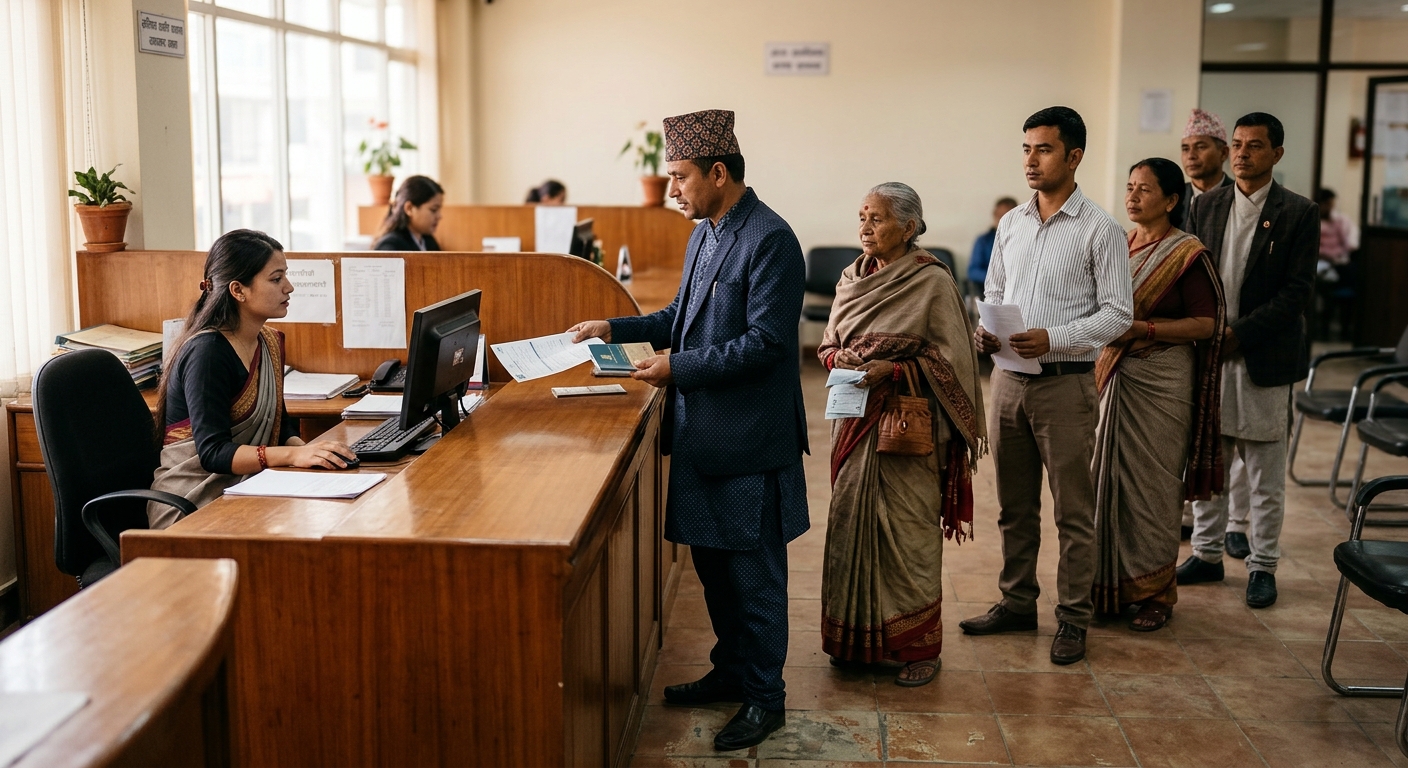
As a result, as soon as they face a small financial problem, they pay a high price and surrender the insurance. In Nepal, about 12 lakh 10 thousand to 12 lakh 50 thousand insurance policies are constantly in the circle of inactivity. Thousands of insurance policies are surrendered monthly.
According to the report, most of the inactive or surrendered policies are in the age group of 3 to 5 years, especially young professionals with volatile incomes in the market, small businesses and those who have bought large premiums at an early stage.
The burden of average surrender prices and passive premiums has also affected the long-term funding of the overall insurance sector. The report has put forward various measures for policy and practical reforms to curb and control the trend of increasing inertia and surrender of insurance accounts.
The regulatory body Nepal Insurance Authority and insurance companies have to mandatorily implement a financial suitability assessment before issuing new policies, which will sell insurance only after looking at the actual income and paying capacity of the customers.
In addition, it has been suggested to design a flexible product structure to make it easier for insurers to pay premiums, and to provide strict legal and training to control the tendency of agents to sell insurance fraudulently.
The malpractice of inactivation and surrender of insurance policies can be effectively prevented by establishing customer protection and reinsurance units at the branch level, monitoring of risky insurance policies, adopting easy renewal process through digital means and conducting a comprehensive insurance literacy campaign in the local community.