



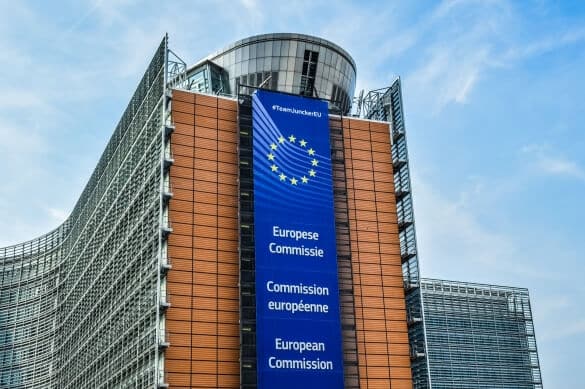

Kathmandu. In Europe, private insurance covers only 25% of the damage caused by major disasters. That’s why the European Commission has formed the Climate Insurance Coalition to prevent national budgets from becoming the default insurer of last resort.
The initiative follows record-breaking climate disasters across the continent this summer. The fires spread from Ireland to Greece, Croatia and the Belgian High Fence. While the glaciers of the Alps retreated. The destruction destroyed 660,000 hectares of land, destroyed 12 million tons of crops, and caused water levels in important rivers such as the Danube, Rhine and La Garon to drop to dangerous levels. People were also severely affected. The heatwave has killed more than 35,000 people and caused temperatures to rise above safe limits for health care facilities such as hospitals and care homes.



In her State of the Union speech for 2026, Commission President Ursula von der Leyen warned that while this summer is the hottest ever, it could be the coldest in the coming years. She said that with temperatures in Europe rising twice as fast as the global average, the ‘green transition’ requires continued adaptation.
“There is no doubt: Europe can, should and will stick to its climate goals,” von der Leyen said. ’
“It’s not just about mitigation or adaptation. We need both, and they need to reinforce each other,” she said. “But we have to move much faster in terms of preparedness.” ’
To take this effort forward, the Commission will present a new framework for climate resilience next month. It will identify Europe’s 100 most vulnerable regions, assess risks and set governance guidelines from EU level to municipalities.
The framework also aims to make Europe a huge emerging market at the global hub for adaptive technologies. “Whether it’s drought-tolerant crops, flood protection or energy-efficient cooling systems, Europe is already on track and we need to capture this market,” von der Leyen said.
The planned ‘Climate Insurance Alliance’ will form the financial backbone of this strategy. It will consistently bridge the 75 per cent security gap to protect national budgets from rising climate risks. – Agency