




Kathmandu. The June 24 earthquake in Venezuela is expected to cause more than $10 billion in economic damage.
This is the estimate of Verisk’s Disaster and Risk Solutions Group. The group said Venezuela’s macroeconomic situation, high inflation, low insurance penetration and market disruptions related to restrictions made it difficult to estimate the insurance industry’s share of the losses.



According to Verisk, a strategic data analysis and technology partner for the global insurance industry, this uncertainty includes assumptions about earthquake insurance uptake rates, ongoing inflationary pressures, and the challenges of accurately valuing insured assets in a rapidly changing economic environment. “The modeled insured damage estimate does not include damages from fires, landslides, sprinkler leaks, damage adjustment expenses, damage to uninsured property or infrastructure, extra-contract liabilities, hazardous waste cleanup, vandalism, or civil mob riots, whether directly or indirectly caused by the incident,” Verisk explains. Aviation risk, transit warehouse risk, personal accident risk and damages related to other nonmodal sources of damage are also not included. ’
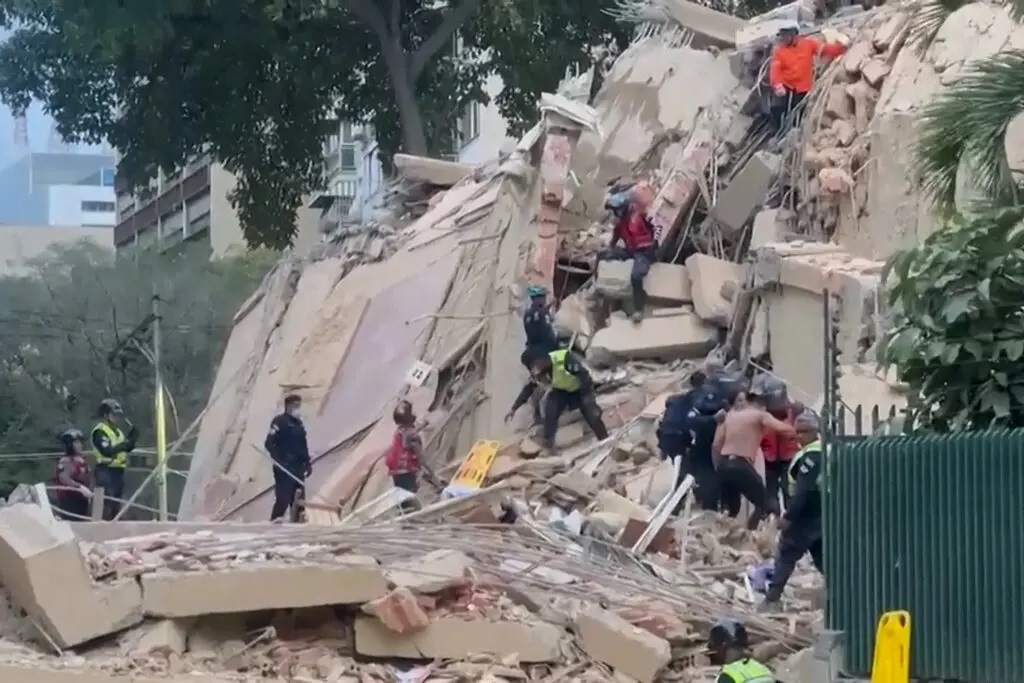
The unusual quake struck near Yumare-Morón in the state of Yarracui, about 100 miles west of Venezuela’s capital Caracas. A 7.5-magnitude quake struck 39 seconds after the quake. It was the deadliest earthquake to hit Venezuela since 1900.
The Caracas metropolitan area and the coastal state of La Guerra suffered the most damage. About 1,400 buildings were destroyed. The states of Aragua, Carabobo and Yarrakui have also suffered significant damage.
According to the U.S. Geological Survey’s magnitude estimates, powerful tremors were felt in areas such as Puerto Cabello, Catia La Mar, Maquetia, San Felipe, Los Teques, Petare, Valencia and Baruta. At least 2,295 people have died, according to the president of the Venezuelan National Assembly, Jorge Rodriguez. More than 43,000 people are still missing and 15,866 are homeless.
Meanwhile, the UN resident coordinator for Venezuela, Gianluca Rampola del Tyndaro, said the organisation was procuring 10,000 body bags to prepare for the rising death toll. “This is an emergency measure agreed upon by local authorities,” he said.
Venezuela’s insurance and reinsurance sector is much smaller and more concentrated than most global markets, Verisk said. “The insurance industry continues to operate in difficult macroeconomic conditions,” Verisk said, adding that these include high inflation, currency devaluation, regulatory complexity and limited market potential. ’
These circumstances create more uncertainty when estimating insured damages after a disaster, Verisk said. “Changes in earthquake insurance access, coverage levels, and insured property value can significantly impact the final insured portion of earthquake-related economic damage,” Verisk said. –Agency