



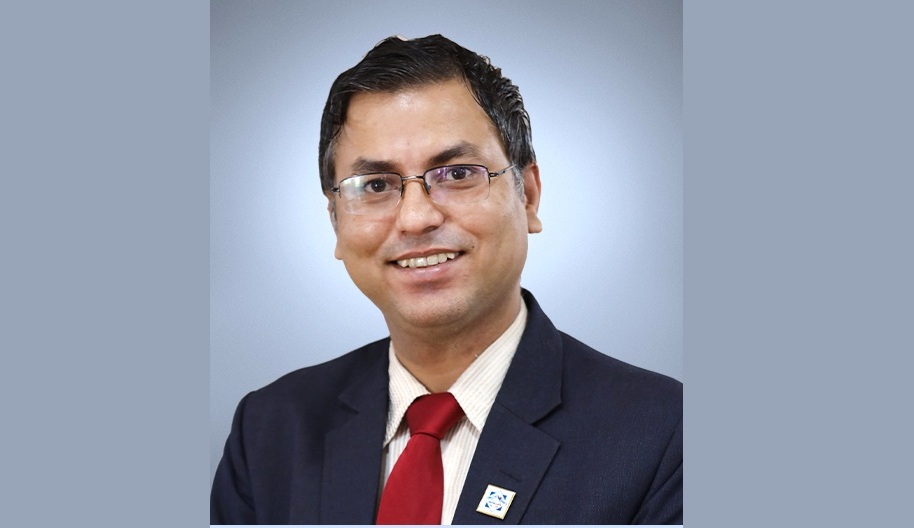


- Rojesh Basnet
Brief description of the leisure system in Nepal
According to the United Nations Population Fund (UNFPA), population growth is an important demographic change occurring rapidly in almost all regions of the world. It refers to social and economic transformation, where the proportion of the age group above 60 years of age in the total population is steadily increasing. Declining fertility rates and improving health care, coupled with increased life expectancy, have increased both the number and proportion of the elderly population. This change has been seen not only in developed countries but also in developing countries, which has become a matter of global concern.

Retirement planning is very important for the financial security of an individual. Which helps a person maintain their quality of life even when they are unable to work. However, this concept has been established in developed countries, while in Nepal it is still a new practice.
Since a large workforce is employed in the non-formal sector, there is no regular retirement benefit or pension scheme available for them. According to various sources, 70% to 80% of the workforce in Nepal is employed in the non-formal sector (agriculture, small business, etc.) which has no formal pension scheme.
According to the 2021 Financial Literacy Survey published by the Nepal Rastra Bank, about 70% of Nepalese citizens were not aware of structured retirement saving options such as pension funds or provident funds. Although the number of bank accounts is increasing, only 5-10% of people are saving in retirement target schemes.
The World Bank’s ‘Nepal Pension System (2020)’ report states that only 5-10% of the total workforce benefits from the government pension scheme, which is limited to people working in the formal sector. Most people working in the non-formal sector are still not protected and access to private pension schemes is extremely limited. Many Nepalis still use family support as a means of leisure living, but the lack of a formal plan increases the risk of financial insecurity in old age.
According to a 2021 report by the Asian Development Bank (ADB), although the government has established pension schemes for civil service employees, these schemes are limited to government employees. Employees in the private or non-government sector are still out of reach of social security or pension systems. According to the report, the participation of private pension schemes is very low (less than 10%).
According to the International Labour Organization (ILO), a ‘pay-as-you-go’ system-based pension system has been implemented for the public sector in Nepal. However, it covers only a small part of the population. There are very few formal pension schemes in the private sector and many Nepalis do not have access to provident funds or retirement targeted savings schemes. Therefore, for most citizens, retirement savings are either not at all or limited to personal savings.
In such a context, the role of life insurance products, especially those involving retirement plans, is becoming increasingly important. However, according to the Nepal Insurance Authority’s 2022 annual report, although the reach of such insurance schemes is expanding in urban areas like Kathmandu, overall participation in formal retirement plans is still very low. The market share of retirement-related insurance plans is only around 3-5% of the entire insurance market.
Nepal’s leisure system is a combination of formal and informal systems. The formal system is mainly limited to government employees and employees of large private organizations. The most common is the retirement plan. This system is applicable as a compulsory savings system for formal sector employees, but it is not applicable in the non-formal sector, which has about 80% of the workforce.
In recent years, attention has been increasingly focused on the need for an inclusive pension system that covers even the non-formal sector. However, formal plans are still limited and most Nepalis have no plans for their retirement period. This is compounded by low income levels, a lack of financial literacy, and the social concept of family dependency in old age.
Challenges related to leisure planning in Nepal
Retirement planning in Nepal is being hampered by various reasons, mainly including the following points:
Low financial literacy: Many citizens, especially in rural areas, lack basic financial knowledge. As a result, people do not understand why a retirement plan is necessary, nor are they aware of the available means of saving for the future.
High impact of non-formal sector: Most Nepali workers are engaged in non-formal sectors, where retirement facilities are not available. As a result, a large part of the population is deprived of any structured retirement savings scheme.
Lack of information on pension and insurance products: Although financial services are expanding in urban areas, many Nepalis are still not aware of how products such as life insurance can provide financial security after retirement.
Cultural aspects: In Nepali culture, the practice of relying on family in old age is dominant. As a result, many people are not interested in making long-term financial plans or investing in formal savings plans and insurance products.
Role of life insurance in retirement plans
Life insurance is a financial instrument that provides a lump sum amount to the designated beneficiary in the event of the death of the insured person. Its main objective is to provide financial security to the family of the insured person. However, some life insurance plans also include aspects related to long-term savings or investments, which can play an important role in retirement planning. In the context of retirement plans, life insurance plans that include the savings side such as endowment policies or whole life policies can play a very useful role. It can be used for living expenses.
There are a variety of life insurance plans available in Nepal that can be used for retirement plans:
Term insurance: These life insurance plans provide both security and savings. Such schemes accumulate cash value over a period of time and provide funds at the end of the insured’s death or predetermined period (e.g. after reaching retirement age). After maturity, the insured can receive cash, which can become a part of the retirement income.
Lifetime insurance: It provides insurance cover for the entire life of the insured person. Such schemes have the facility to accumulate cash value, which provides long-term financial security. This amount can be used for post-retirement needs.
Annuity plans: Annuity insurance plans provide regular income to the insured after retirement. The insurer can pay a lump sum or premium in installments, and instead the insurance company pays the insured in regular installments—mostly throughout his life. It can act as a source of steady income after retirement.
Benefits of including life insurance in retirement plans in Nepal:
Financial security of the family and beneficiary: Death benefit from the insurance scheme protects the family from financial crisis after the death of the insured person. This is especially important in the context of Nepal, where many families depend on each other for income.
Long-term savings: Schemes such as term and lifetime act as mandatory saving systems, prompting the policyholder to make regular savings. This helps to save enough money for the retirement period over a period of time.
Tax benefits: According to the Tax Act of Nepal, some contributions made to life insurance plans are tax deductible. Since this reduces the tax burden of the insured, making a retirement plan can become an attractive option.
Regular income: Annuity plans guarantee regular income for post-retirement living. In a country like Nepal, where the formal pension system is limited, such income is very useful.
Wealth creation from investment: Schemes such as unit linked insurance plans give insurance holders the opportunity to benefit from investments in mutual funds. This can create long-term wealth and help create large funds for retirement by giving benefits above inflation.
Why TAG_OPEN_strong_148 is life insurance necessary for Nepali citizens?
In the absence of a comprehensive government pension plan and social security system in Nepal, life insurance can fill significant gaps in retirement plans. Some of the reasons why life insurance is particularly important in the Nepali context are:
Limited government retirement plans: As mentioned in the previous details, formal pension schemes in Nepal cover only a small portion of the population, which is mostly limited to government employees. In such cases, life insurance provides a viable option for people who do not have access to such systems.
Economic instability: Nepal’s economy, like many other developing countries, is facing various economic fluctuations. Life insurance plans, which include investment and savings aspects, provide an opportunity for individuals to increase wealth even in uncertain economic situations.
Growth of the elderly population: The population of Nepal is gradually getting older, which will increase the burden of aged care. In such cases, life insurance plans to ensure post-retirement income are becoming increasingly necessary so that people can be financially secure in their old age.
Lack of financial information: {{TAG_OPEN_span_121 TAG_CLOSE_span_121}} The level of financial literacy in Nepal is still low. Many people may not be aware of the retirement plan tools available to them. Life insurance can serve as a simple and accessible gateway, as it is easy to understand and access has already expanded across the country through the insurance market.
Barriers to adopting life insurance in retirement plans
Although life insurance has clear benefits that can ensure retirement planning, its use in Nepal is still limited. There are various reasons behind this:
Low financial literacy: Many Nepalis do not know how life insurance contributes to retirement security. Due to the lack of such information, they are unlikely to include life insurance in the long-term economic plan.
Cultural priorities: The trend of relying on family support in old age is strong in Nepali society. As a result, people are reluctant to adopt life insurance like formal retirement savings schemes.
Lack of spending qualifications: Premiums for life insurance plans (such as endowment policies) that include long-term savings in particular can be expensive for many Nepalis, especially for those working in the non-formal sector.
Lack of production information: Even in urban areas, information about various life insurance plans such as annuity plans, unit linked insurance plans and term insurance policies is limited. In the absence of proper information and guidance, people are less likely to choose such schemes under retirement plans.
Strategies to increase life insurance adoption for retirement plans in Nepal
The following strategies can be implemented to make the role of life insurance effective in retirement planning:
Financial Literacy Campaign: Government agencies, insurance companies, and financial institutions should jointly launch a campaign to improve financial literacy across the country. This can include awareness programs on why a retirement plan is necessary and how life insurance can play a role in it.
Product innovation: Insurance companies can develop more accessible, flexible, and affordable life insurance plans, especially targeting low-income individuals working in the non-formal sector.
Incentives for tax benefits: Policymakers can provide additional tax exemptions to those investing in retirement-related life insurance plans, which will make individuals active towards retirement plans.
Community participation: The concept of life insurance and its role in retirement planning can be clarified by conducting workshops and awareness programs with local communities with special focus on rural areas. This helps rural residents to easily understand the benefits of life insurance.
Conclusion
The retirement system in Nepal is still in its early stages and is mainly confined to government employees. In such a situation, life insurance has the potential to revolutionize the way individuals plan for their future. A safe leisure life is not just an income substitution, it is also about maintaining self-esteem, independence, and peace of mind in the latter part of life.
A large proportion of workers in Nepal are employed in the non-formal sector, leaving the structured pension scheme inaccessible for them. In such a situation, life insurance can become an important pillar of economic planning. Insurance products such as term insurance, life insurance, and annual plans offer not only risk protection but also long-term savings opportunities. Such schemes help to prepare a financial basis for the protection of the family after death as well as for the expenses of living.
The mandatory savings system included in these schemes is particularly useful in a country like Nepal, where the practice of voluntary savings is still low. However, the adoption of such life insurance plans for retirement plan purposes still seems limited. Due to lack of awareness, cultural thinking, and lack of spending ability, many people are still unable to accept life insurance as a long-term planning tool. But these challenges are not unbeatable. These barriers can be overcome through accurate awareness programs, inclusive product designs and strategic policies. Insurance companies, especially leading companies such as Nepal Life Insurance, are now actively working towards filling such gaps. The launch of annuity plans has brought a new twist in the insurance market and will help ensure regular post-retirement income.
Government agencies, financial institutions, local communities and insurance providers need to collaborate to promote retirement plans through life insurance. Financial literacy efforts should not be limited to urban areas alone. It has to reach rural and remote areas, where there is still a need for retirement preparation.
After all, life insurance is not just a financial instrument, it is a long-term commitment to ensuring a life of self-reliance, security and dignity in old age. By accepting life insurance as an integral tool of retirement planning, Nepal can open the door to such a future. Where every citizen, regardless of his profession or income level, will be able to live a life of leisure with self-respect and stability.
Basnet is the head of the training department of Nepal Life Insurance Company. Basnet’s article has been adapted from ‘Insurance News and Thoughts’ published on the 57th anniversary of Nepal Insurance Authority. )