



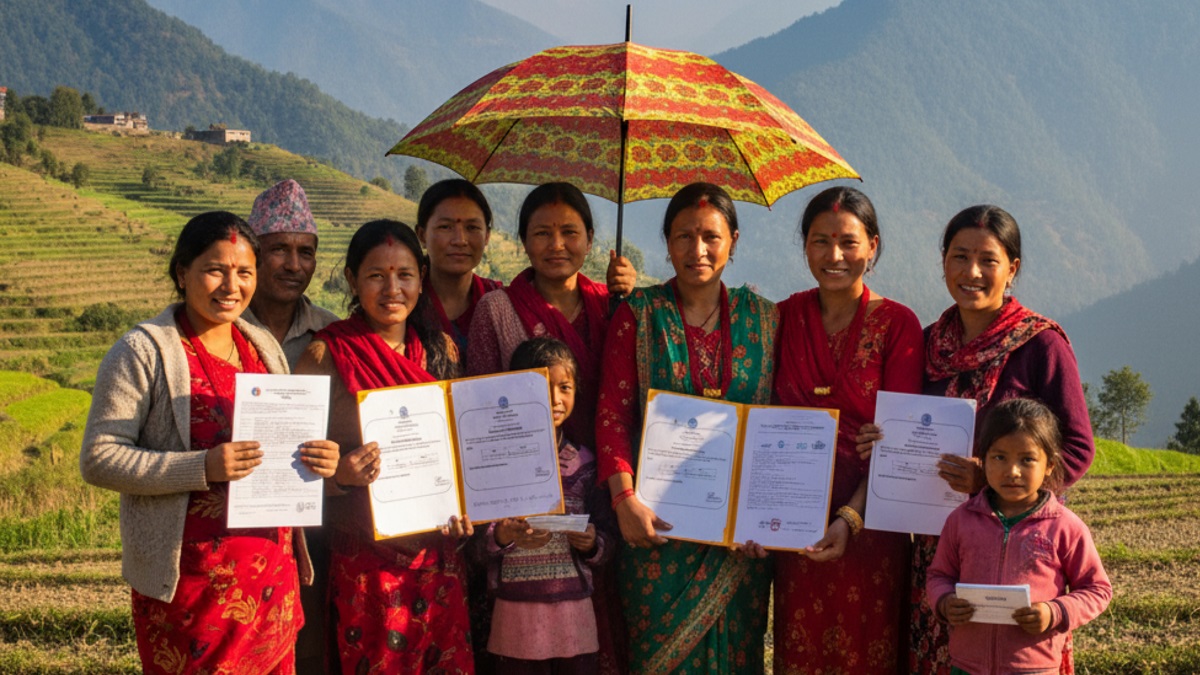


Kathmandu. In developing countries, microinsurance is changing the lifestyles of poor and low-income families.
In the past, even a small incident of risk could lead to financial crisis. But now, due to micro insurance, such families are experiencing financial security for the first time.

Micro insurance is an affordable and accessible insurance service for the general public. This system protects the family financially against risks such as illness, accident, flood, landslide, livestock or crop failure. This prevents unforeseen life expenses and helps you get out of the cycle of debt.
Successful examples of India and Nepal
}
Insurance Services & Uplift India{
In India, insurance companies like Uplift India and Uplift India operate community micro insurance systems. Under this, members participate in the collective fund by paying a small amount. When a member incurs contingency expenses (such as treatment, funeral or damage), the fund provides financial assistance. This insurance is considered to be transparent and reliable as it is operated by the people for the people. This has strengthened the spirit of mutual trust and cooperation within the community.
Nepal: A New Hope for Security in Farmers and Rural Lives
The importance of crops, livestock and disaster insurance has increased further as the population dependent on agriculture is high in Nepal. When the farmer’s crops or livestock are destroyed, the reimbursement from micro-insurance helps to pay down debts and provide the livelihood of the family. This system has opened new doors of security in society where government support is limited.
Changes brought about by microinsurance
}
Path out of debt: In case of an accidental accident or illness, a family with microinsurance does not have to take a loan at a high interest rate. This will protect both their property and their lives.
A means of raising financial awareness: Micro insurance develops the mindset of saving, planning, and being responsible for the future.
Women’s Empowerment: TAG_CLOSE_span_36 Many insurance groups have high female participation. They are also involved in financial decisions and are also playing a role in the leadership of the family.
Contribution to the Local Economy: Once the risks are reduced, farmers and small businesses can increase their investment in production. This improves the economic condition of the village.
Expand, Challenges, and Future
The scope of micro insurance is growing rapidly around the world. From 331 million people in 2024, the service has grown to more than 344 million people in 2025, but there are still challenges. Due to low financial awareness, regulatory complexity and limited interest in insurance companies, services are not reaching all the public.
However, mobile technology, digital systems and financial literacy programs at the local level are opening up new possibilities in this area. Micro insurance is no longer just an insurance service, it has become a means to reduce poverty and improve the standard of living.
Micro insurance not only helps to deal with unforeseen risks but is also a tool for long-term social and economic change. The experience of India and Nepal has shown. When the community itself participates in insurance, trust, economic security and self-sufficiency all come together.
The expansion of microinsurance can greatly help the national goal of reducing poverty. Now, policy-making, government cooperation and awareness expansion at the people’s level are necessary.