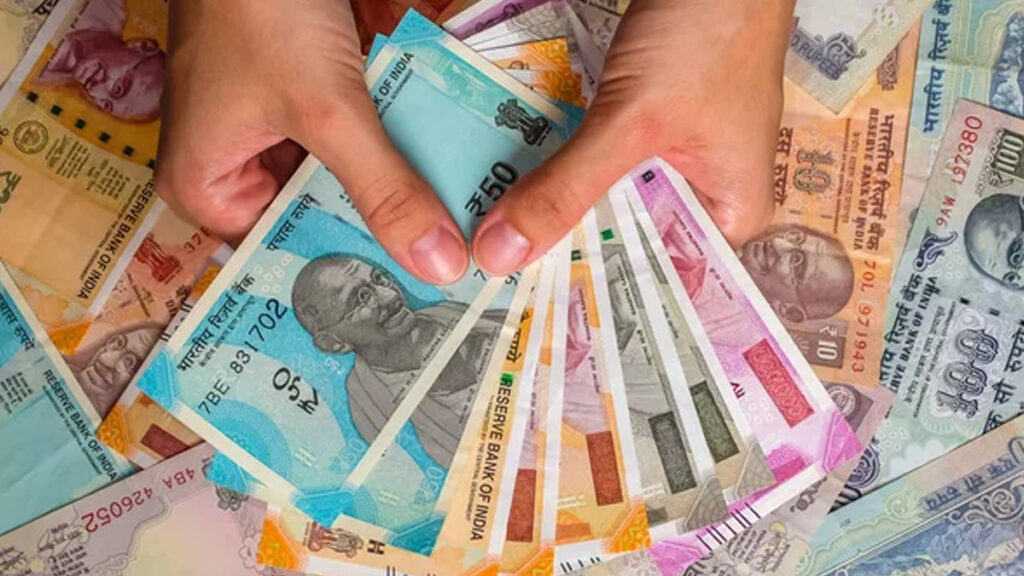







Kathmandu. India’s health insurance sector is constantly grappling with fraud and fraud. India’s health insurance sector loses an average of Rs 1 trillion in claim payments every year due to fraud.
According to a new study by Boston Consulting Group (BCG) and MediaAssist, fraud and unwarranted claims not only increase insurance premiums but also affect the financial stability of insurance companies and divert funds intended for public health programs.

“Poor data systems and inadequate screening force patients to pay more for medical care,” the report said. However, group insurance plans are also not immune. ’
Within corporate coverage, the banking, financial services and insurance and healthcare sectors are reporting an increasing number of fraud cases. The greatest risk arises from amortization claims.
In India, group reimbursement claims are nine times more likely to be fraudulent than group cashless claims, the report said. “While individual reimbursement claims are 20 times more likely to be fraudulent than group cashless schemes,” the report said, the most common forms of fraud in both inpatient and outpatient care include providing false information and falsifying documents. ’
Insurance fraud usually ranges from Rs 50,000 to Rs 2,50,000. Where incentives are high but oversight is limited. “The mindset that petty fraud and abuse are often justified as harmless has become a systemic practical challenge,” the report said. The health insurance ecosystem is dominated by fraud, fraud and abuse. ’
To address these challenges, the BCG-Medicassist study recommended robust fraud prevention and detection measures, standard medical coding regulations, AI-driven oversight, and rapid data sharing through initiatives such as the Ayushman Bharat Digital Mission and National Health Claims Exchange.