




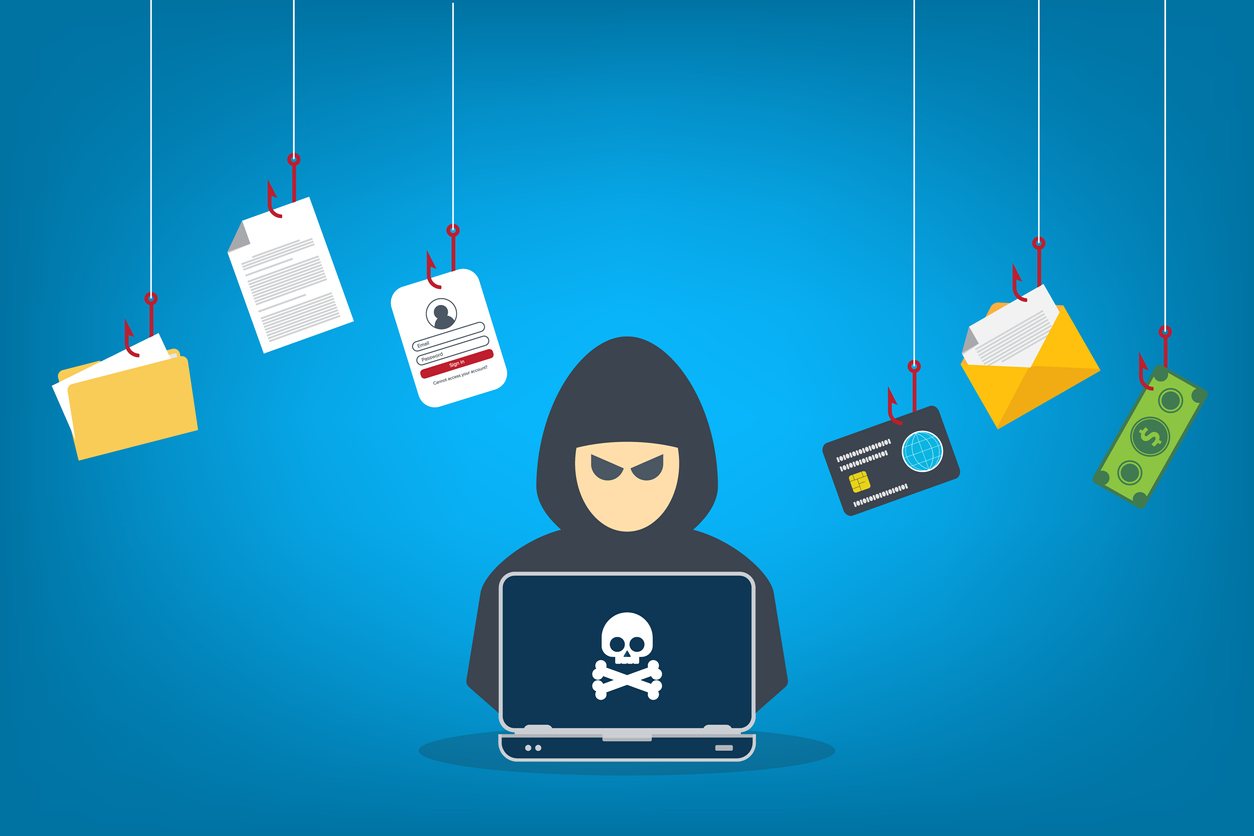


Kathmandu. The rate of economic crime in Kathmandu has increased significantly in recent years.
According to the data released by the District Police Range, Kathmandu, fiscal year 2081. Most of the cases registered in 82 are related to banking offences. Senior Superintendent of Police (SSP) Bishwa Adhikari, who heads the campus, said that banking offences are number one in the analysis of the main 10 types of crimes. A total of 6,553 cases of banking offences were registered during the period. He said that the rate of economic crimes is higher than other crimes.


It shows that there is a need to further strengthen the investigation capacity and technical resources of the police to control illegal activities in the banking system. The stakeholders stressed the need for public awareness, transparency of financial transactions and strict legal process to reduce such crimes.
According to experts, with the increase in the use of online banking, mobile payments and digital transactions in recent times, the forms of fraud and crime related to it have also developed. Therefore, they stressed the need to improve the system of crime control and speedy justice to the victims using modern technology.
There are different types of cases of economic crimes registered in Kathmandu. Most of the cases are registered in banking offences. These include cheque bouncing, failure to pay due to insufficient money in the account, use of fake bank documents, misuse of accounts, and loan fraud.
Apart from this, fraud, fraud, use of fake documents, foreign employment fraud, money laundering, insurance fraud and economic crimes online or cyber are also increasing significantly. In particular, the cases of fraud through digital banking, mobile payments and QR codes have increased rapidly in recent times. It shows that the nature of crime has expanded from being limited to traditional paper documents to the digital sector.
According to experts, there are many reasons behind the increase in economic crime. In the first place, despite the rapid expansion of technologies such as mobile banking and online transactions, criminals easily get opportunities due to lack of adequate security awareness among users. Second, unemployment, costliness, and financial crises have attracted some people to the way to make quick money illegally.
Thirdly, as the nature of crime is rapidly changing, the legal structure and the technical capabilities of the police have not been updated accordingly, adding to the challenge of crime control.
Similarly, abuse of social trust is also an important reason. Most people are cheated when they make money transactions on the basis of acquaintance or family relations.
Experts say that a multi-pronged strategy is needed in the long run to control economic crime. High-level encryption, two-level authentication (2FA) and abnormal activity detection system should be made mandatory in banks and digital payment systems to strengthen the infrastructure security, they stressed.
They also stressed the need for regular awareness programs, training, and learning campaigns, especially targeting low-skilled people in technology, to raise the financial awareness of the citizens. Similarly, in view of legal reforms, there is a need to amend the law at a fast pace and develop a system for speedy disposal of cases to address new types of crimes.
Meanwhile, a recent incident has emerged as a direct example of the dangerous nature of digital fraud. More than Rs 2.8 million has been stolen from the bank account of a person in Kathmandu after downloading a share analysis app named ‘NEPSE AI’.
According to the Central Investigation Bureau (CIB) of Nepal Police, the victim had installed the app on his mobile phone through an advertisement seen on Facebook. After opening the app, the remote session was activated and the mobile screen was blackened for some time and during that time Rs 28 lakh 61 thousand was transferred to other accounts. According to cib, all the data and apps on the victim’s mobile have also been deleted.
According to cib, misleading advertisements are increasing on social media including Facebook, Instagram, TikTok. Criminals are adopting a tendency to steal money from bank accounts by opening remote access on the pretext of giving ‘high profits’.
To avoid such incidents, the police have suggested regular changing passwords, not downloading unfamiliar links or apps, mandatory use of two-layer authentication (2FA) and not giving access to unauthorized people through remote access apps such as Anidesk or TeamViewer. In addition, only the official App Store (Google Play Store, Apple App Store) is requested to be used while installing the app.