





Kathmandu. The surface of the earth is not a huge piece of rock. Rather, the earth is made up of very large pieces of rock. These fragments, called tectonic plates, rotate slowly. Sometimes they collide with each other, separate or move under each other. But scientists have recently made a surprising discovery.
A tectonic plate under the Pacific Ocean near Vancouver Island, Canada, is splitting in two. This area is called the Cascadia Subduction Zone. New research suggests the end of this sector is near. Will it cause a major earthquake or catastrophe? The research was published in the journal Science Advances.


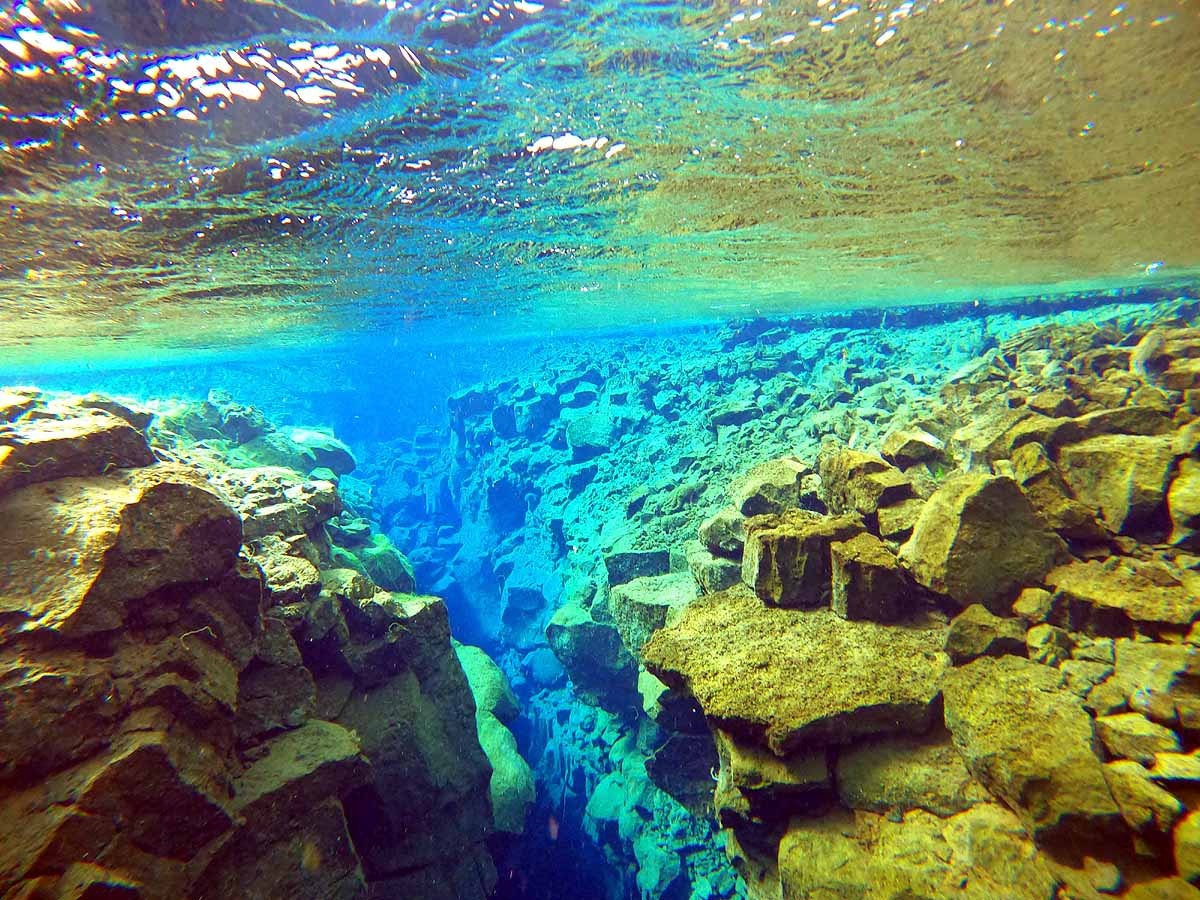
The Earth’s crust is divided into several plates. These plates float on top of hot and semi-molten rock. These plates are connected but moving slowly. Sometimes they clash with each other. Sometimes they’re separated. The most dangerous process is subduction, when one plate moves under the other. This causes volcanoes and earthquakes.
The Cascadia Subduction Zone is in the northern part of the Pacific Ocean. There are four plates found here: Explorer, Juan de Fuca, Pacific and North American. The Explorer and Juan de Fuca plates are slipping beneath the North American plate. This area is very complicated.
According to Brandon Schock, a scientist at Louisiana State University, starting a subduction zone is like driving a train through the mountains. “It takes a lot of effort. But once started, the train starts running down the hill. It’s hard to stop it,” Shaq said, “It would be a big accident like a train falling off the tracks to stop it.” ’
Shaq and his fellow scientists carried out seismic imaging from the ship. It’s like sending sound waves off the ocean floor – like an ultrasound X-ray from the stomach. They also used seismic waves, which bounce off the earth. It was discovered that the Explorer Plate is breaking up at the northern end of Cascadia.
Many large faults and fractures were found. The largest fault is 75 km long. Which is tearing the plate. These sections are not yet completely separated. But they’re under a lot of stress, like a rubber band about to break.
According to Shaq, this is the first time that we have seen the end of the subduction zone. “It didn’t break down all of a sudden. It’s slowly falling apart,” he said.
The rupture of the subduction zone seems to be a normal process. If the plates continue to collide with each other forever, geological history will be erased. So to prevent this, nature breaks the plate. The broken segments are transformed into smaller microplates. Some sections are no longer seismically active because they have been cut off from the main system.
It will break down slowly enough that the subduction will stop. The weight of the plate will decrease. The downward pull will stop. “It’s a step-by-step breakdown,” Shaq said. This is also confirmed by the age of the volcanic rocks. They are slowly getting older and younger. ’
Is there a big catastrophe?
There is no need to panic right now. This process is slow. It takes millions of years. However, it can rupture and cause small earthquakes. The Cascadia region is already a major threat. In 1700, there was an earthquake of magnitude 9. This caused a tsunami in Japan. If the entire region were to explode, it could wreak havoc in Washington, Oregon, and British Columbia.
importance of research
}
This study explains the activities inside the Earth. This will improve earthquake prediction. Scientists will now collect more data. “It’s like a train race,” Shaq said. Once it starts, it’s hard to stop. But, in the end, it brings a new beginning. The Earth is always changing. This rupture under the Pacific Ocean reminds us that our planet is alive. But we have to be careful. ’