






Kathmandu. KATHMANDU: CPN (Maoist Centre) Deputy General Secretary Barshaman Pun ‘Ananta’ has alleged that there was a huge financial manipulation in the appointment of nepal rastra bank governor.
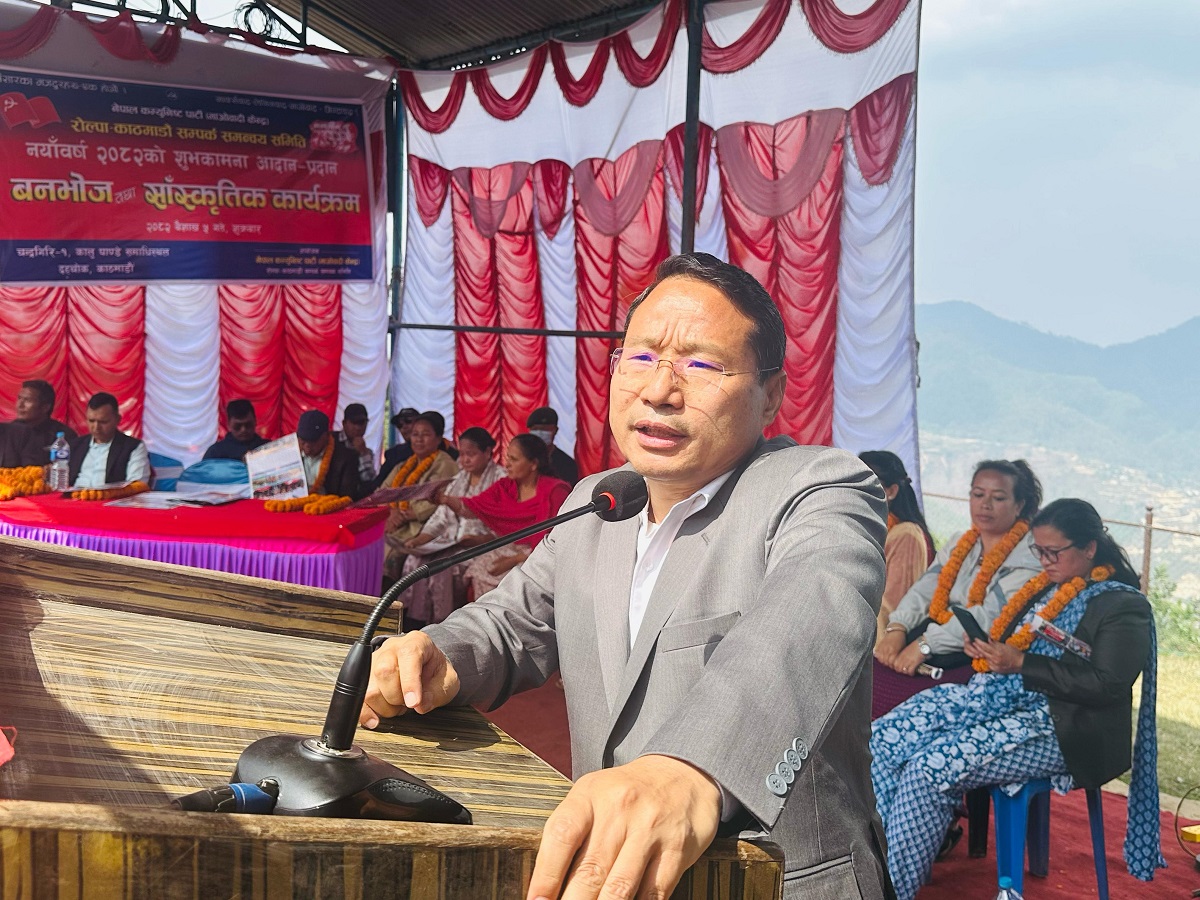
Speaking at a programme organised by the Rolpa-Kathmandu Contact Coordination Committee at Chandragiri on Friday, Pun, who is also a former finance minister, said the government was moving ahead to appoint a person promoted by interest groups as governor. He said that the government, which had earlier appointed interest groups and middlemen in various regulatory bodies, wanted to appoint the governor on their own wishes. “There are reports in the public media that billions of rupees of financial deals have been made for appointment to the post of governor of the Rastra Bank, which should be in a regulatory role,” pun said, adding, “We want to tell the government with caution that the representatives of the interest groups should not be handed over to the Rastra Bank.” ’


Leader Pun warned that those who buy money and get governor or regulatory responsibilities should not think that they will always remain in office. “Those who are appointed to regulatory roles in the state as representatives of interest groups think that everyone is watching who has been appointed. We have also seen it,” he said.
Pun said that various developments have confirmed the formation of the present NC-UML government by interest groups who want to capture the economy through state bodies. He also said that the NC-UML government has completely failed. “The two-thirds government has completely failed in development construction, good governance and people’s expectations,” he said. ’
Pun said that the royalists were trying to use the frustration among the people due to the misrule and incompetence of the NC-UML for their own interests. “We fought for 10 years to bring democracy and democracy. Some of the people we have made people from Raiti do not want to be people. They have been saying that they want to live as raiti,” pun said, adding, “The Nepali people, who have become sovereign, do not want to be anyone’s raiti anymore.” ’