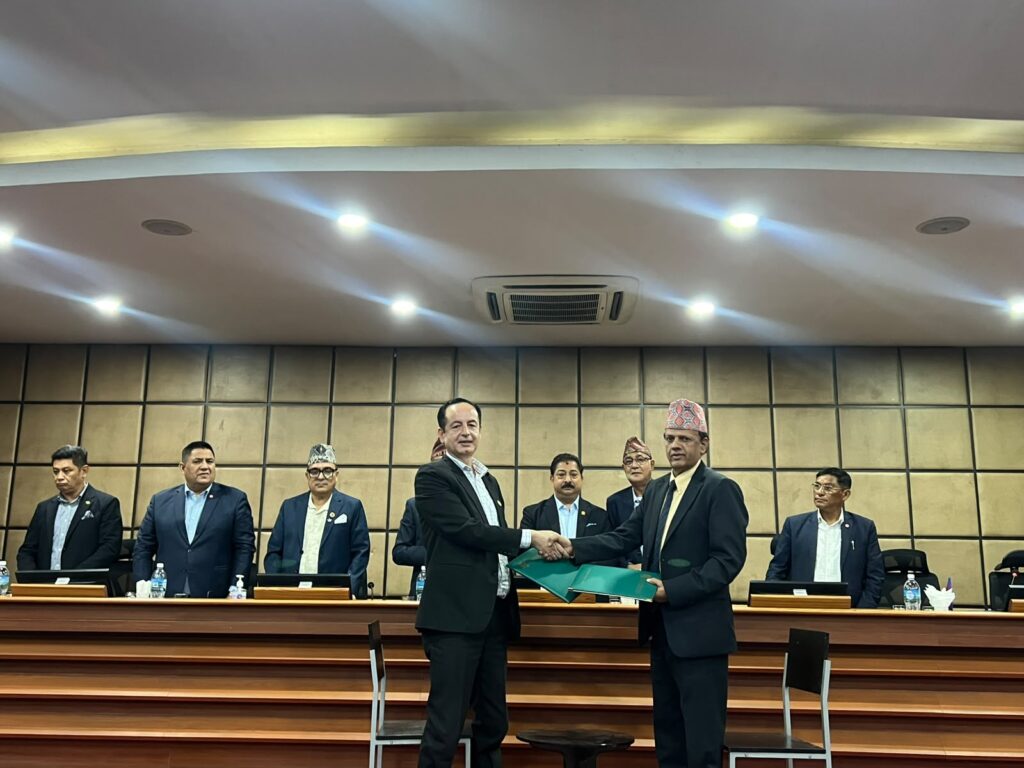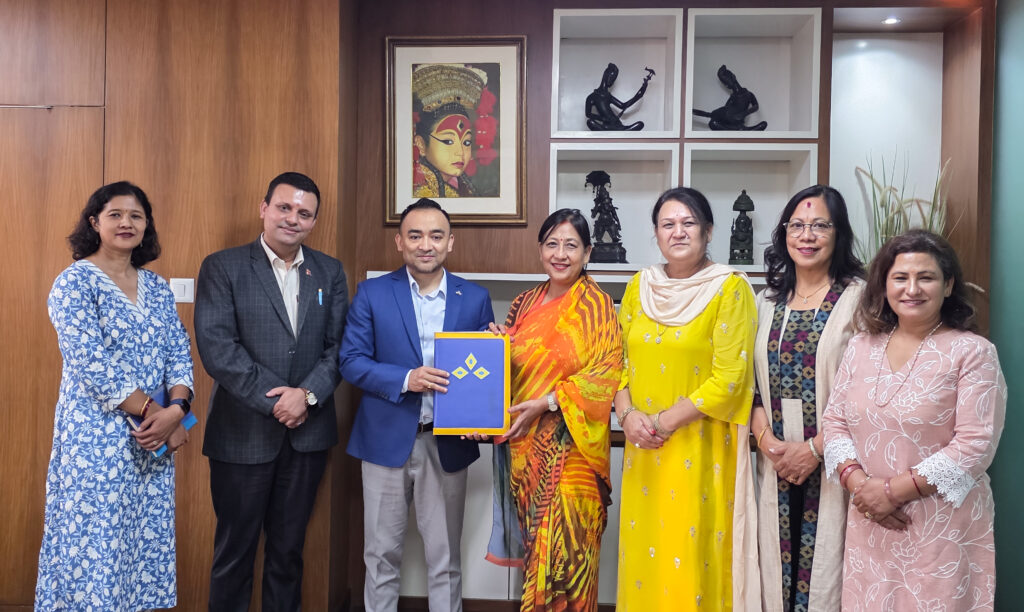




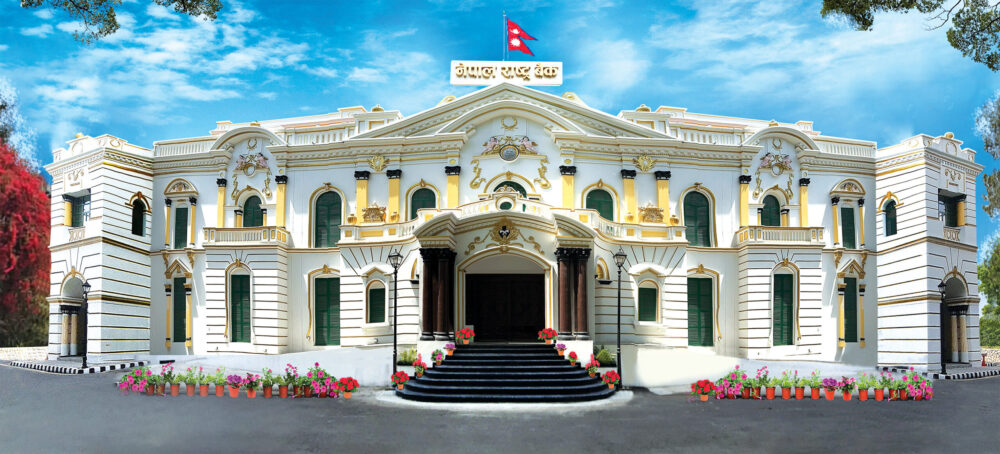

Kathmandu. The Banking Sector Reform Task Force has submitted its report to the Nepal Rastra Bank (NRB) today. The report has suggested ways to bring Non-Resident Nepalis into the stock market and remove Nepal from the grey list.
According to the report, the fifth amendment to the Money Laundering Prevention Act (PMLA) seeks to develop the financial information unit under the bank of Nepal Rastra Bank as a separate independent unit. According to this, although the responsibility of the Rastra Bank is generally out of the question, it will have to play a more powerful role in removing Nepal from the grey list.


Similarly, since the main element of currency sterilization is related to payment, the responsibility of Nepal Rastra Bank is very serious. Therefore, it has been suggested that the central bank should be very active to complete the necessary works as per the time-bound schedule to remove Nepal from the grey list within the next two years.
Suggestions on capital markets
}
- The central bank should recall the representatives by making alternative arrangements as there is a conflict of interest in the representation of directors in NEPSE.
- Commercial banks should give priority to margin loans through brokers following the world’s best practices for lending to the capital market.
- After specifying the sectoral limit of share loans, all other arrangements will be made by the banks and financial institutions themselves.
- To issue regulations based on the Regulatory Adjustment Framework (RAF) of the Basel Committee on Banking Supervision÷Regulatory Adjustment Framework (RAF) regarding the reduction of investment in equity from regulatory capital or maintaining risk weight.
- Provision should be made in the Bank and Financial Institutions Act to convert promoter shares into ordinary shares, taking into account the situation of banking and capital market, this work should be completed within 10 years.
- To assist the Securities Board in promoting financial literacy in the context of complaints that the share price of small capital companies is not related to the returns.
To facilitate through banking and foreign exchange policy to bring NRNs into the secondary market without adversely affecting the Nepali investors.TAG_OPEN_li_26 (Earlier, the capital gains tax was 5 percent for Nepalis and NRNs on such transactions, but a few years ago it was made 7.5 percent for Nepalis and 25 percent for NRNs.
According to the Bank and Financial Institutions Act, the full government Rastriya Banijya Bank should go 30 percent to the public.TAG_OPEN_li_23 The decision to issue the IPO has already been made as per the decision of the Government of Nepal, Council of Ministers, 72 and necessary initiatives will be taken for this.
To assist the Securities Board of Nepal in the development of various types of bond markets, including green bonds.TAG_OPEN_li_22