



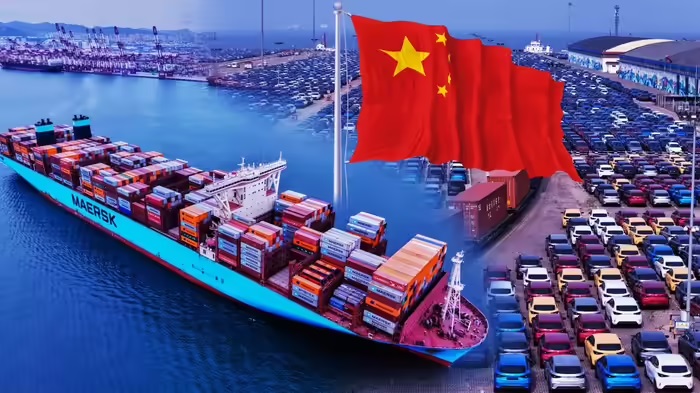

Kathmandu. After becoming a military and economic superpower, China is now going to build a land-based ‘Suez Canal’. The project will connect Europe with Asia.
The big thing is that East Asia will benefit the most from this. Which is progressing rapidly in the manufacturing industry after China.



China has chosen its mountainous city of Chongqing for this purpose. The city has already become the center of land trade routes. The city is well connected by rail lines and freight trains have already operated from here to Europe. China hopes the city can become Asia’s most important logistics hub.
According to a report published in the South China Morning Post, Chongqing has rapidly emerged as a strategic center in China’s business network. China hopes that if its model is successful, a similar project can be worked out in the western part of the country.
Hundreds of shipments are transported daily from this city. It connects Southeast Asian countries such as Vietnam and Singapore to the rest of Europe, including Germany and Poland, by high-speed freight trains.
Land transportation saves 10-20 days compared to sea routes. Moreover, it greatly simplifies customs problems.
With the introduction of the ASEAN bullet train in 2023, the shipping time between Hanoi and Chongqing has been reduced by just five days. As a result, goods can reach Europe in less than two weeks. Also, it takes at least 3 weeks to transport to Europe by sea.
The Chinese city of Chongqing is located in a strategic location. Apart from this, the city is also a major production center. Almost a third of the world’s laptops are manufactured in Chongqing. The city is also a major center for the production of electric cars. In addition, one-fourth of China’s four cars are exported from this city.
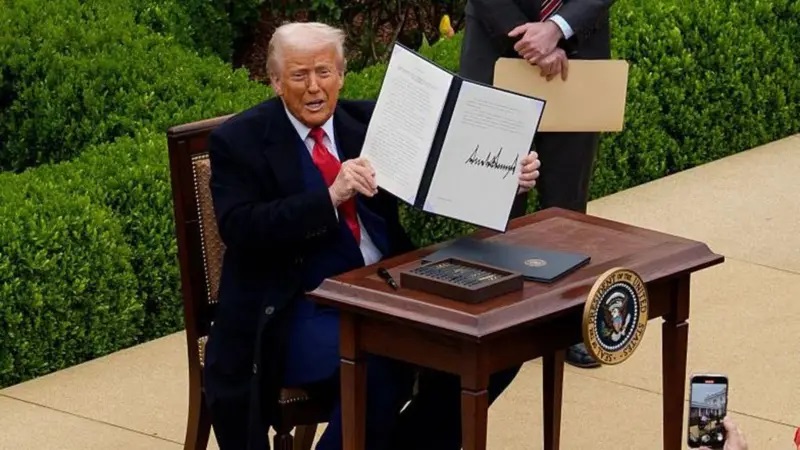
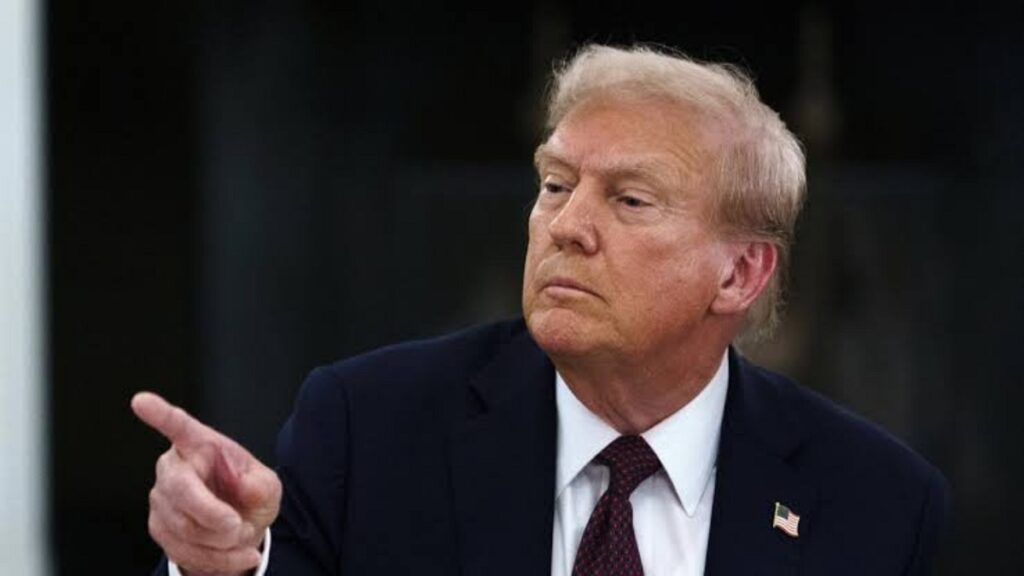
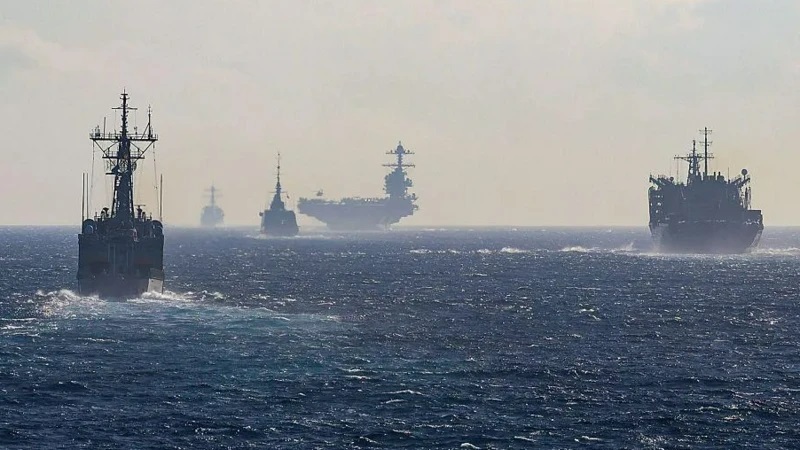
Experts believe that China has chosen Chongqing not only for geopolitics but also to fulfill its military objectives. Under the leadership of US President Donald Trump, China continues to have a trade war with the US. In such a situation, the US has increased surveillance in the Suez Canal, Hormuz and Malacca Strait. If the US tries to control these maritime transport corridors in the future, China can maintain its imports and exports through this corridor.