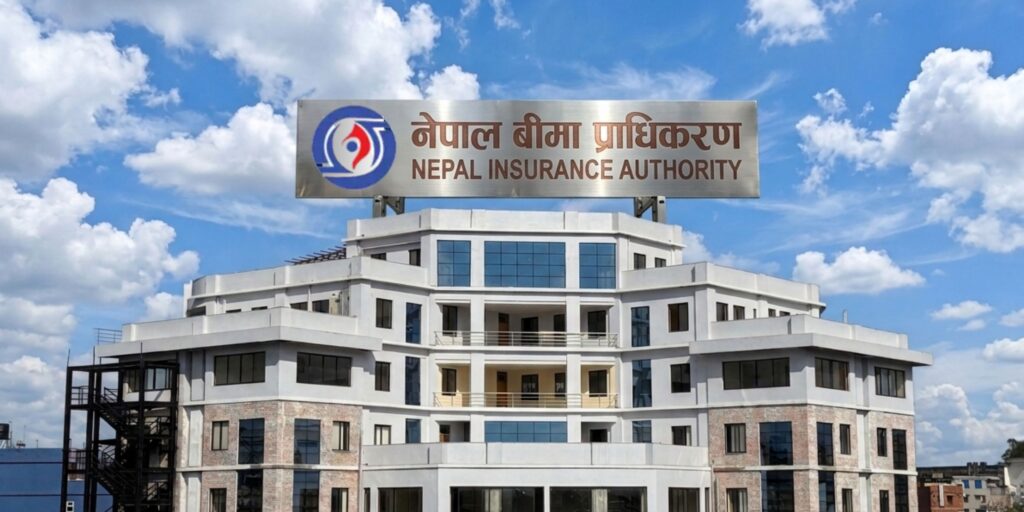






Kathmandu. The Nepal Insurance Authority (INSURANCEA) has made it mandatory for the chief executive officer (CEO) to the level of insurance agent to implement the anti-money laundering system.
NeA has made such a mandatory provision through the Directive 2082 regarding prevention of money laundering, terrorist acts and financial investment in the manufacture and expansion of weapons of mass destruction.



In order to reduce the possibility of laundering illegally acquired wealth (black money, black money) through insurance, stringent anti-money prevention provisions have been introduced.
Sub-directions 2(n) and (t) of Directive No. 3 of the directive stipulate that the insurer has to negotiate with the Chief Executive Officer, Compliance Officer, Head of Department or Branch and agent regarding the performance of the work.
Sub-direction 2(n) states that the board of directors of the insurer should include the provision of complying with the prevailing laws related to prevention of money laundering in the performance agreement with the CHIEF Executive Officer.
In addition, sub-direction 2(t) provides that the CHIEF Executive Officer will enter into a performance agreement with the implementing officer and the implementing officer will make an agreement with the department or branch of the insurer regarding the details and the department or branch will have an agreement with the intermediary and other insurance service providers about the documents to verify their customer identity details.
Now the responsibility of prevention of money laundering is no longer the responsibility of the higher management level of the insurer or the compliance officer, not only the CHIEF Executive Officer, compliance officer, but also every department of the insurer, every branch, every agent and other intermediaries will be directly responsible for this.
The AUTHORITY hopes that such an agreement will not only provide the details sought by the compliance officer immediately but will also make it mandatory and realize the responsibility to be fulfilled from his level for the prevention of money laundering.
According to Section 7 of the Prevention of Money Laundering Act, 2064, the insurer has to compulsorily cover these issues while formulating separate policies and procedures on the issues required for the prevention of money laundering.