




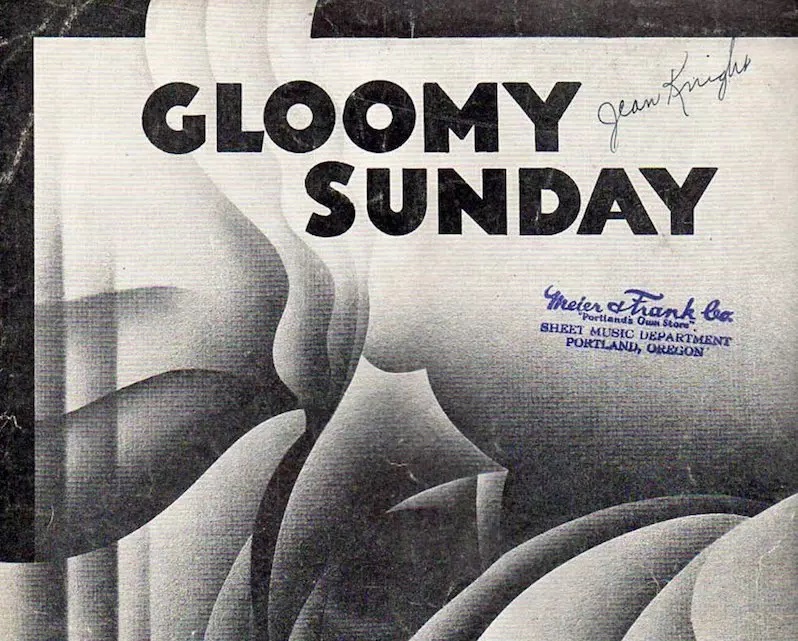


Kathmandu. When we are sad or happy at a wedding or party, at a festival or festival, the first thing we hear is the sound of a song. Everyone has different preferences for songs. Some like old and quiet songs. Someone likes to listen to pop songs with loud music.
What happens when you want to commit suicide after listening to a song? In 1933, a musician named Rezzo Ceres wrote the song “Glumi Sunday.” Ceres wrote the song when his girlfriend left him. The words of this song were so sad that anyone who listened would be very sad.


It is said that this song was so heartbreaking that some people even committed suicide after hearing it. That’s why it was called the Hungarian Suicide Song.
100 people lost their lives
At first, many refused to record ‘Glomy Sunday’. However, the song was later recorded and released in 1935. As soon as this song was released, the number of suicides in Hungary suddenly increased. In most cases, the song was found playing around people or the song was mentioned in their suicide note.
According to the report, about 17 people lost their lives due to this song initially. Later, the number reached close to 100. The situation worsened so much that in 1941, the government had to ban the song.
62-year ban
This Gita was banned for 62 years. Nearly 62 years later, in 2003, the ban on the song was lifted. But by then many people had lost their lives. After listening to this song, Rezzo Ceres’ girlfriend also committed suicide.
What is most surprising is that Rezzo Ceres also chose the same day for his death, which was mentioned in the song. That is, Sunday. Rezzo Ceres committed suicide in Budapest in January 1968. He survived by jumping out of the window, but later died in the hospital after being strangulated by a wire.
It is said that the words of this song were so sad that they described death as rest and life as pain.
Film ‘Glomi Sunday’ also released
There was so much pain in the singer’s voice that the audience cried. Despite this, the song was sung by more than 100 singers in 28 languages. Its most famous version was sung in English by Billy Halliday. which was later banned. “Glomy Sunday” was released in Hungary and Germany in 1999. – Agency