





Kathmandu. At a time when investors and central banks around the world are looking for safe havens, the price of gold has broken historical records.
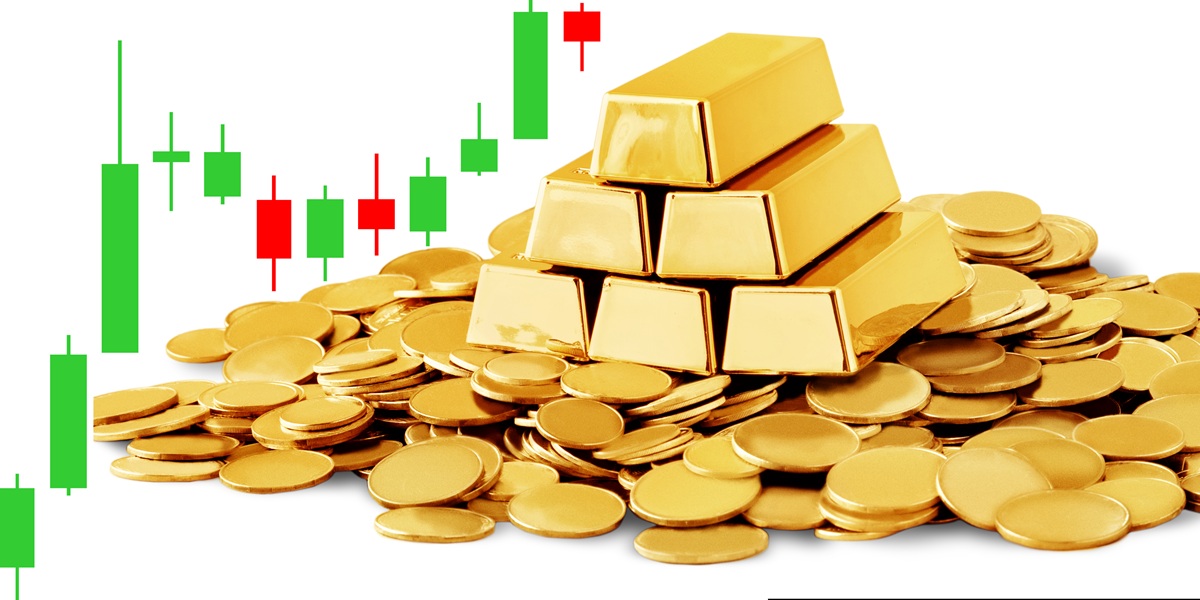
In the international market, the price of gold has crossed $ 4,000 per ounce. This has had a direct impact on the Nepali market. The price of hallmark gold has reached Rs 2,40,400 per tola in Nepal today. This is higher than the previous record of Rs 2,39,200 set on October 7. The reason for this price rise is not just seasonal demand, but also the deepening uncertainty in the global economy.


There are 4 main reasons behind the price of gold in the international market.
Global Economic Uncertainty: Geopolitical tensions in China, Russia and the Middle East, fears of price hikes and unstable policies by central banks have forced investors to abandon the stock market and bond bonds and seek safe havens for gold.
Currency TAG_CLOSE_span_51Volatility: Due to the weak performance of the US dollar and fluctuations in other major currencies, many countries and individuals are buying gold as insurance against financial turmoil.
In order to manage risks against global risks, TAG_CLOSE_span_50 TAG_OPEN_span_50 central banks in many countries have doubled their gold reserves. This buying by central banks has reached an all-time high in history, which has directly affected the price of the world market.
Investor Demand: The number of investors in gold-based exchange-traded funds and retail bullion has increased sharply due to increased uncertainty in the stock and bond market.
Gold reserves of Nepal and the world
}
According to the World Gold Council, the United States has the largest gold reserves of 8.133 metric tons. It is followed by Germany (3,355 tonnes) and Italy (2,452 tonnes).
In today’s global geopolitics, gold reserves are considered to be the focal point of national monetary security. As confidence in the dollar weakens, countries are diversifying their reserves into gold.
Nepal’s Gold Landscape
Nepal Rastra Bank’s gold reserves have increased strategically. As of mid-August 2025, the central bank’s gold reserves had reached Rs 120.78 billion. This is 42.8 percent more than the previous year. This growth reflects Nepal’s strategic desire to strengthen external assets and hedge against currency fluctuations and economic uncertainties.
Listen to Political History
Gold Standard Era: From the 19th century to the early 20th century, the value of national currencies was linked to gold. This stabilized the international exchange rate.
Colonialism: The gold rush played a major role in the expansion of European empires, when colonial powers shaped world trade by mining gold from Africa, South America, and Asia.
The Modern Era: After the collapse of the dollar-based financial system in 1971, the role of gold changed. Today, gold reserves are central to national monetary security. When confidence in a country’s currency or financial system declines, gold reserves become an important asset for managing sovereign risk.
direct impact on Nepali households and economy
This historic price hike in gold has brought both opportunities and challenges for Nepal. Pressure on consumers: Ordinary Nepali households are under tremendous financial pressure due to price hikes, especially during the festival and wedding season. High prices have led many families to buy cheap silver instead of gold.
Risks to Trade Balance: There is a risk that Nepal’s trade deficit may increase further due to the increase in the import of gold for both investment and jewelry. This could put further pressure on foreign exchange reserves.
The central bank’s purchase of gold reflects the growing caution towards currency risk and the desire for asset stability.TAG_CLOSE_span_40 TAG_OPEN_span_40 Even if an investment in gold does not pay interest, it is considered a safe option due to its unrelated nature to currency fluctuations.
The historic gold price hike wave in 2025 has strengthened the external security of Nepal’s economy. However, its high price has created a difficult situation for ordinary Nepalese citizens and gold entrepreneurs to manage their personal finances. The need of the hour is for policymakers to strike a balance between cultural demands and economic realities and formulate a long-term strategy.