



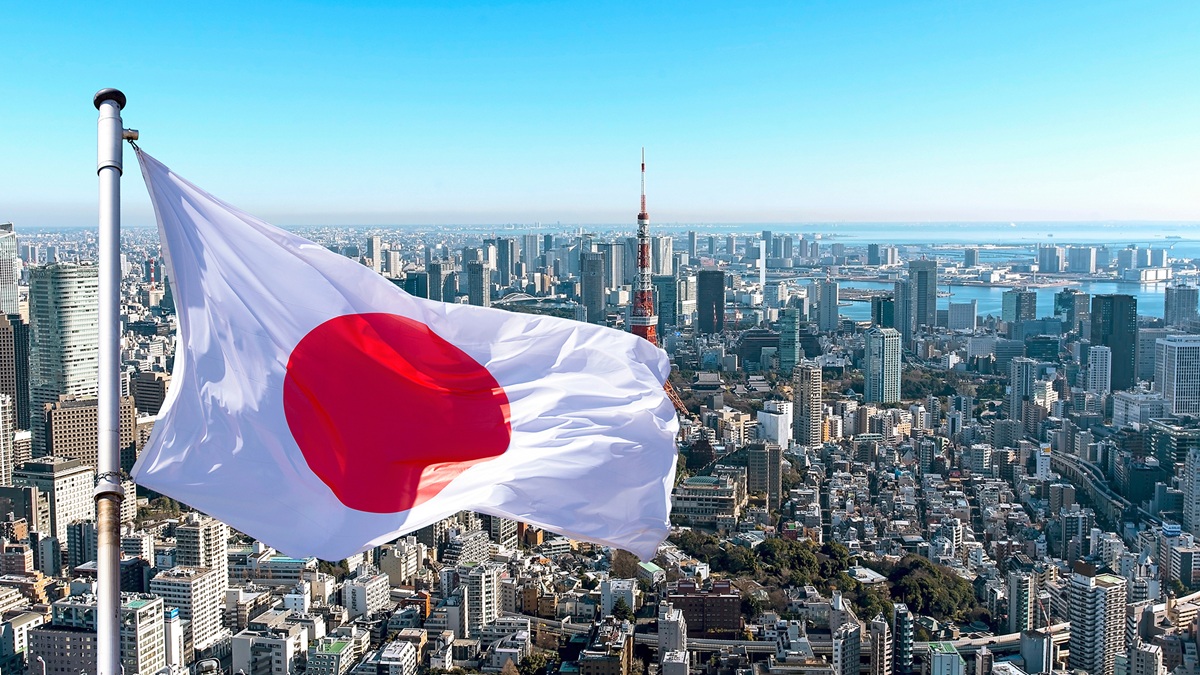


Kathmandu. Japan, one of the world’s largest economies, is in crisis. Experts are warning that the crisis is likely to escalate.
Investment banker Sarthak Ahuja has sounded the alarm bell in a social media post and explained the reasons behind it. “Japan’s 30-year-old trend is hurting the country’s economy,” he said. ’


Japan’s ‘Yen Kyari Trade’ Collapse{
}
Japan recently broke its 30-year-old trend and the global stock market is in turmoil. The country’s global arbitration game known as the ‘yen carry trade’ is now collapsing. Japan’s lending rate has risen to 2.8 percent. This poses a threat to the most lucrative Japanese yen carry trade. Ahuja issued a stern warning on LinkedIn and said, “This has shocked investors worldwide. ’
Interest rate at ‘0%’ for decades
}
For decades, Japan’s extremely low interest rate (the Japan policy rate), which hovered around 0% and sometimes turned negative. This made Japan a preferred investment destination for global investors. Institutions and foreign investors borrowed cheap yen and invested their capital in markets such as the US. Bond and equity yields ranged from 4% to 8%.
It should be noted that the purpose behind Japan’s ‘yen carry trade’ was to keep credit cheap. So that businesses and households can spend and invest. However, many experts say it is also bad for the Japanese economy. Simply put, a yen carry trade is an investment strategy. In which investors borrow low-interest currency in Japanese yen and use that money to invest in high-interest assets. The aim is simply to profit from the interest rate differential between the two currencies.
The calculation was simple: borrow at 0% and earn 5% and pocket the spread. Trading continued as long as Japan kept interest rates low, but now it’s the opposite. Japan has destroyed the 30-year-old global arbitrage machine, and global markets may not be ready for it.
This is the main reason for the change in Japan
According to reports, the reason for this dramatic change in Japan is inflation. It has exceeded 2.5% for the first time in 25 years. While that actual labor cost is constant. Now Japan’s bank is being forced to raise interest rates to reduce demand and control prices.
Japan’s lending rate rose to 2.8% on Nov. 19. That’s the highest in 30 years. A small 0.25% increase in Japanese interest rates in August 2024 last year caused widespread panic. The Nikkei fell 12% in a single day.
How will the crisis escalate?
“If the interest rate exceeds 3%, Japan’s debt burden could increase to 2.5 times its GDP,” Ahuja said. This can make it difficult to manage. ’
“It’s devastating,” Azuza wrote in a LinkedIn post. That’s because profit margins in carry trades are disappearing. As a result, the terror is increasing. Investors can now withdraw their deposits overseas, especially in the US, to pay off Japanese debt. This could put pressure on the global stock market. ’
“There are no risky bets at this time,” Ahuja advised. Protecting your savings is more important than trying to increase your savings quickly. ’