



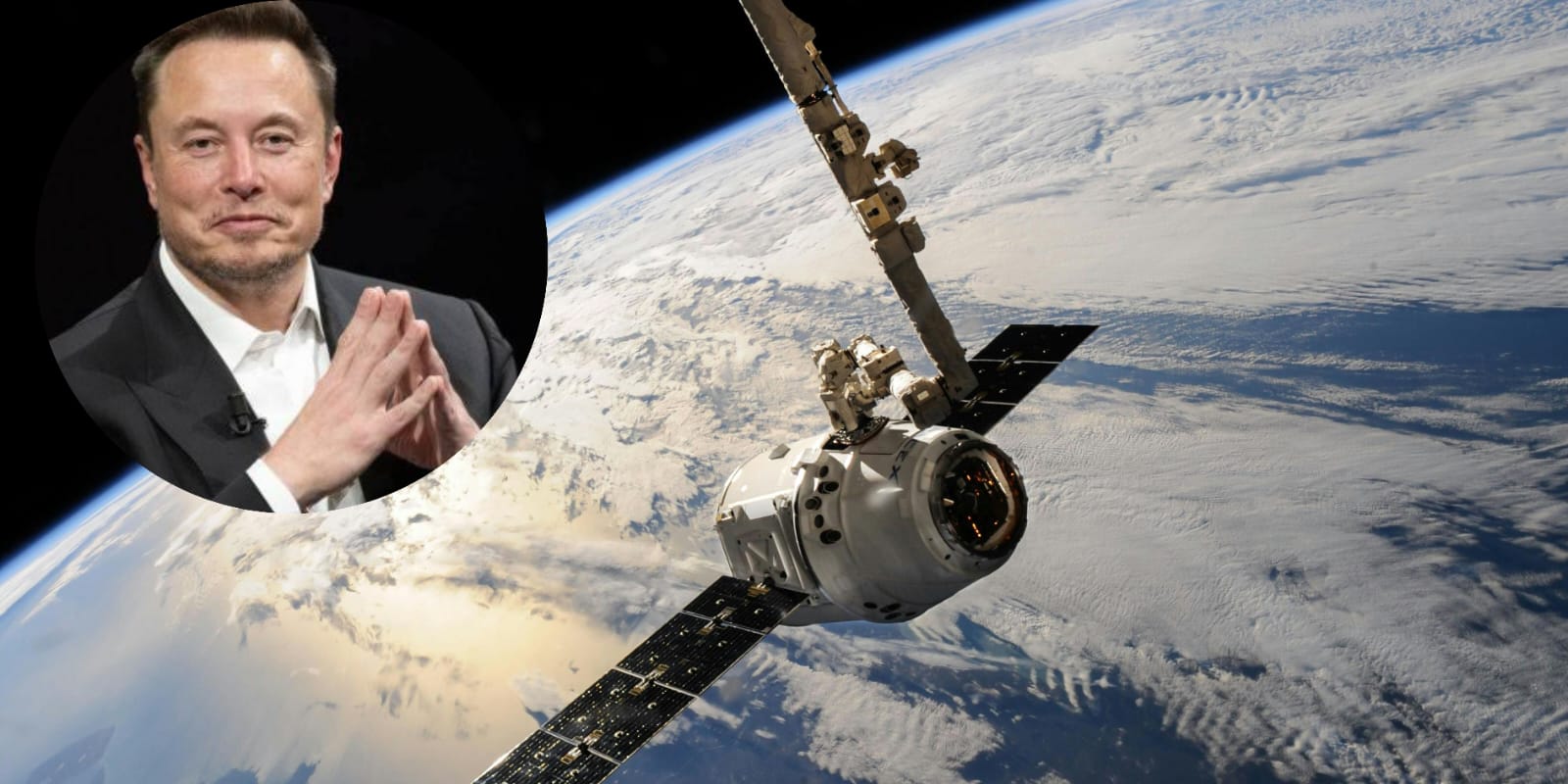


Kathmandu. Space technology company SpaceX has reached a historic milestone by successfully launching its 10,000 Starlink satellites on October 19, 2025. The launch from Cape Canaveral Space Force Station in Florida testifies to the company’s ambitious expansion and technological innovation.
The Falcon 9 booster used in this mission completed its 31st mission, setting a new record for the company and was able to land safely on a drone ship named ‘A Shortfall of Gravitas’ minutes after launch. The flight put 28 new Starlink satellites into low Earth orbit.


Starlink’s rapid expansion has revolutionized global internet connectivity, especially in remote and underserved areas. As of September 2025, Starlink has served more than 7.1 million customers in more than 150 countries and territories. That’s a pretty aggressive increase from the 4.6 million by the end of 2024.
Regional Subscribers (in the Thousand – September 2025)
}
- North America 3068
- Asia 1282
- South America 879
- Freaks 515
- Oceania: 423
- Central America: 207
- Europe 710
Starlink’s internet service now serves more than 3 billion people and the constellation is on track to have 12,000 satellites.
The main factor in SpaceX’s high launch rate is its booster reuse strategy. The reusable capability of the Falcon 9 rocket has revolutionized costs.
The projection cost has now dropped to $3,059 per kilogram. That’s 99.6 percent less than the value of the early Space Age. According to analysts, if there is a further improvement, the cost could fall below $700.
In 2024, SpaceX made 138 missions. It accounts for nearly half of the total global spaceflights, making it a leader in commercial orbital launches.
Starlink’s rapid expansion has accelerated the growth of the satellite internet market. The global valuation of the industry is expected to reach $11.93 billion by the end of 2025 and reach $37.64 billion by 2034.
The rise of direct-to-cell technology will make text messaging available on mobile devices and soon voice and data services directly. This will further increase the usefulness of space-based internet.
This transformational growth in accessible internet has not only fueled digital inclusion but also made critical tools like remote healthcare, distance education, emergency response, and e-commerce available in remote areas.
SpaceX’s 10,000th Starlink launch is an important milestone. This underscores its disruptive impact on space technology and global connectivity.