




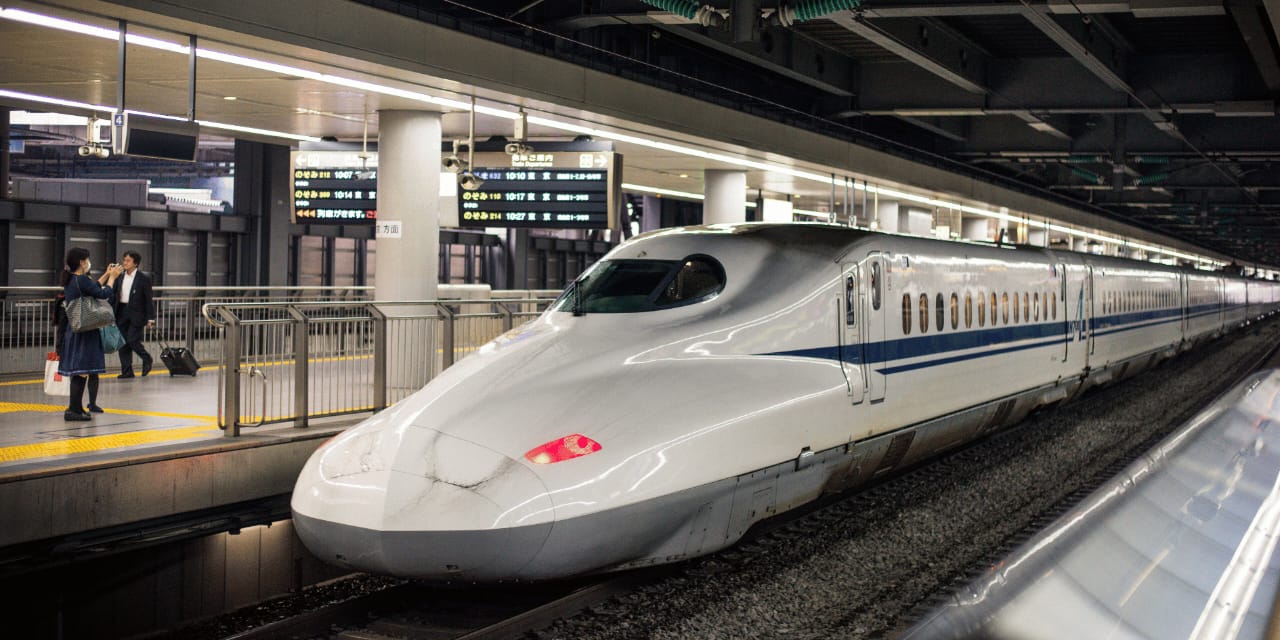


Kathmandu. Japan’s Shinkansen bullet trains have been a symbol of safety, speed and precision engineering excellence since its inception in 1964. These trains have served more than 12 billion passengers for more than six decades. However, not a single passenger was killed in the accident. This is an unprecedented record of global security.
The Secret of an Impeccable Record: Security


The main reason for this record is the unwavering safety culture of Japan Railways. Every element – daily maintenance schedules, rigorous staff training and real-time monitoring systems – work in perfect sync to maintain reliability.
The Shinkansen railway is excluded from slow train and road transport. This minimizes the risk.
Advanced Signs and Earthquake Detection systems have been developed to keep passengers safe even during natural disasters such as earthquakes and cyclones. It can activate emergency braking within milliseconds of an earthquake tremor.
Technical innovation and operational discipline
Shinkansen trains incorporate state-of-the-art technologies. Aerodynamic design is used to reduce noise and energy consumption.
A sophisticated computer-controlled braking system is fitted to ensure immediate response. The rail network has maintained an average delay time of less than a minute. This is an unparalleled example of operational discipline.
Global Impact
Japan’s bullet trains have prompted countries in Asia (including India), Europe and others to adopt similar ultra-high-speed rail systems or improve their existing networks. The Shinkansen stands as the gold standard for high-speed rail.
Human factors and community trust
Equally important to the success of this system is the trust of the citizens of Japan in railway service. The Shinkansen system represents social harmony. Where employees, engineers, and government agencies work together to prioritize public safety and convenience.
As Japan develops technologies such as maglev trains and AI-assisted maintenance, the principles of safety and reliability will be at the center of the pandemic. The story of the Shinkansen also provides valuable lessons for other nations to modernize their transportation systems without compromising the interests of passengers.