



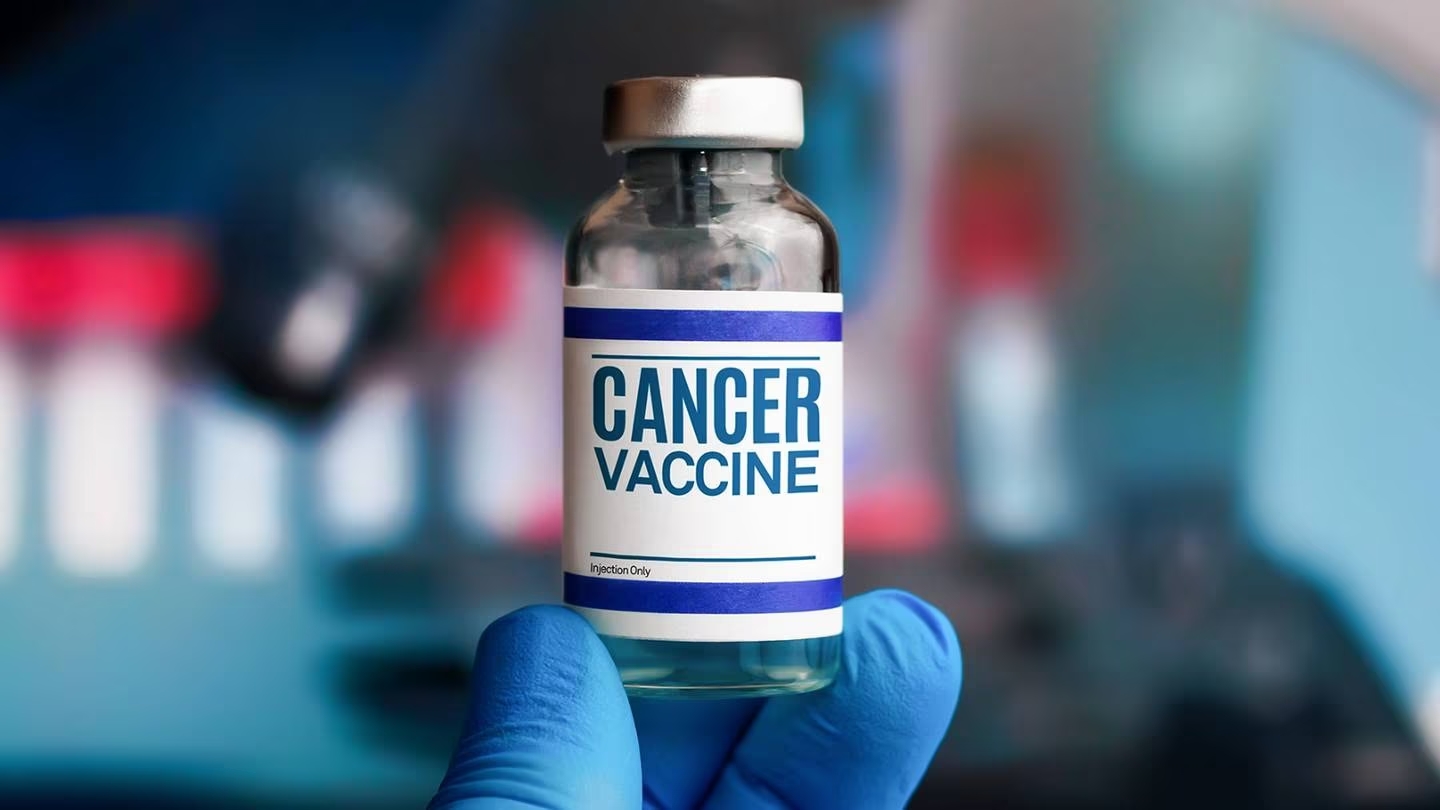


Kathmandu. Cancer has been a global challenge for the past few decades. So far, there has been no success in developing a vaccine against cancer. But now there is a significant breakthrough in this direction.
Scientists have developed a vaccine that can make the world cancer-free. Scientists at the University of Florida have developed this mRNA vaccine. Which increases the body’s immune response against tumors. However, its consequences on the human body are not yet clear.


According to the study published in Nature Biomedical Engineering, this vaccine has been used in mice using immune checkpoint inhibitor immunotherapy drugs. It has shown strong anti-tumor effects in mice. The specialty of this vaccine is that it does not target any specific tumor protein. Instead, it builds an immune system against cancer. After rats, its use will start in humans.
About this discovery, UF Health’s cancer expert and lead researcher Dr. “It could introduce new ways to treat cancer without relying on surgery, radiation or chemotherapy,” said Elias Sayur. However, the vaccine has not yet been tested in humans. ’
If this vaccine produces similar results in humans, it will open the way for a cancer vaccine. This will help overcome this serious disease.
Elias Sayur added, “This research brings out something very unexpected and exciting. We can get a vaccine that is not specific to any specific tumor. That is, this vaccine can be used as a global cancer vaccine. This will strengthen a person’s immune system against cancerous tumors. ’
So far, there are two main ideas to make a cancer vaccine. One is to find a specific goal in many people suffering from cancer and the other is to prepare a specific vaccine for the patient. This study suggests a third option. “What we found is that with immunity, we can produce a much stronger anti-cancer response,” said co-author DuanNe Michele. ’
This new study is based on the success of Sayur Lab last year. In this, an mRNA vaccine prepared the immune system to attack glioblastoma, an aggressive brain tumor. One of the most impressive findings of the trial was that the vaccine induced a strong immune system response to fight tumors.