



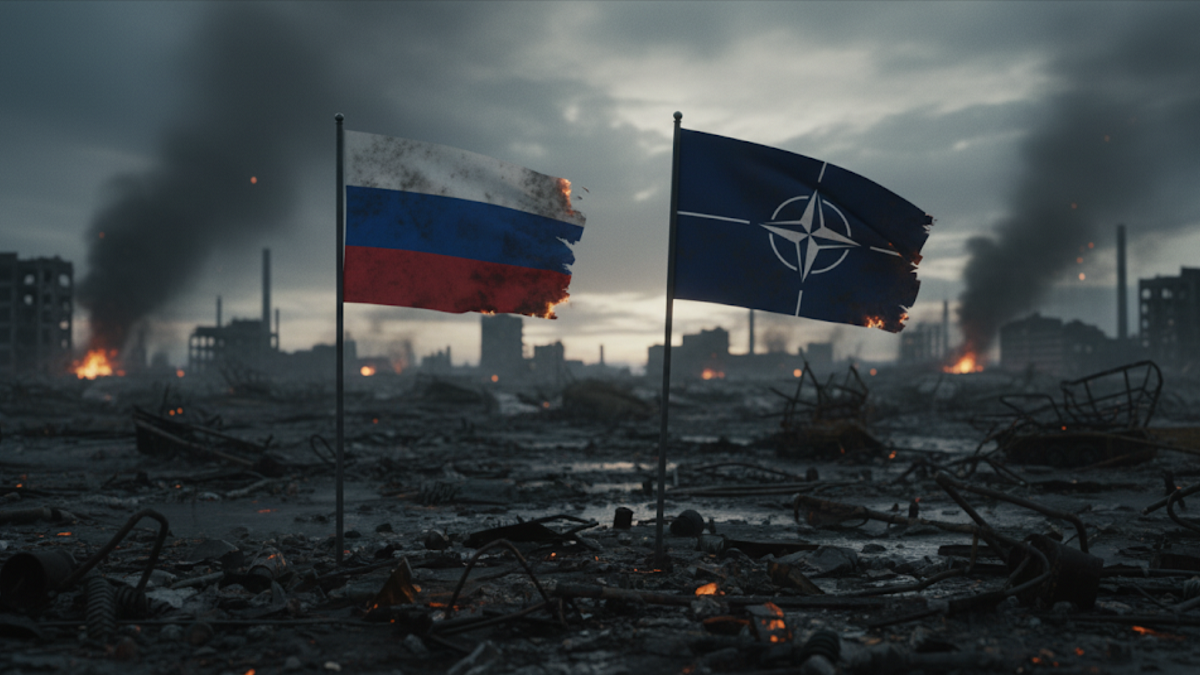


Kathmandu. Russia-NATO tensions have reached their most dangerous point in history, with Foreign Minister Sergei Lavrov accusing NATO and the European Union of waging a “real war” against Russia by supporting Ukraine. This diplomatic bitterness reflects not only the geopolitical crisis but also the uncertain future of the global economic conflict.
Military and power games


}
On the military front, Russia controls 20% of Ukraine’s territory, but its progress has been slow since the end of 2022. US President Donald Trump has called Russia a “paper tiger” and has pressed Ukraine to continue military aid. This reflects the confidence of the West. But Russia has repeatedly violated NATO members’ airspace and directly challenged the alliance.
NATO has demonstrated its strength by launching programs such as the Eastern Sentry to commit to collective defense. This has increased the risk of a direct military confrontation between the two sides.
Economic risk and future assessment
The protracted conflict in Ukraine has wreaked havoc on Russia’s finances. The continuation of the war and the continued financial support provided to Ukraine by Western countries is sure to only weaken Russia.
This geopolitical instability is projected to continue to negatively impact global energy markets and supply chains. Unless both NATO and Russia show flexibility in their stance, there is a risk of deepening global uncertainty and economic crisis.