




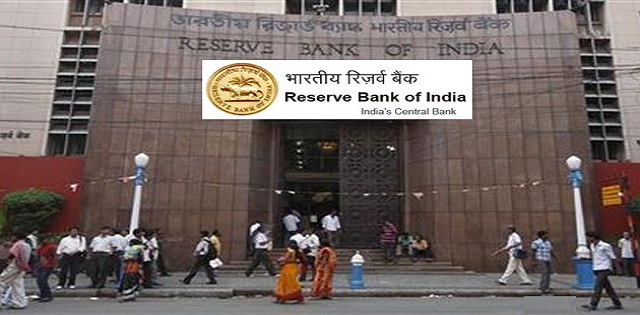


Kathmandu. New Delhi: The Reserve Bank of India (RBI) has once again expressed concern over the mis-selling of financial products such as insurance by banks. The RBI is considering framing guidelines to address this problem.
According to RBI Deputy Governor M Rajeshwar Rao, mis-selling of insurance can erode the confidence of low-income families. “Especially when products that are right and required for them are ignored,” he said, adding that the RBI is considering whether there is a need to frame rules to prevent mis-selling of insurance products and services. ’


The RBI has already expressed concern several times over the increasing mis-selling of insurance products by banks and financial institutions. The RBI is particularly concerned about selling complex or unnecessary investment products to senior citizens and people with low financial knowledge. Which is usually sold in the name of fixed deposits or insurance.
Speaking at an event on financial inclusion in Mumbai, Rao said, “There are many challenges in the microfinance sector such as high loans, high interest rates and strict recovery practices. Interest rates on microfinance loans have dropped somewhat in recent months, but in some places the trend of higher interest rates and higher profits persists. ’
Some microfinance lenders are charging very high interest despite having an alternative to cheaper funds. “This is unfair,” Rao said.
Rao appealed to lending banks and financial institutions to look at microfinance from a sensitive and developing point of view rather than just as a high-profit business. “Microfinance institutions generally charge higher interest rates (20% to 28% per annum) than traditional banks, which is a matter of concern. ’
Rao highlighted that there have been many tragic incidents in the microfinance sector in the recent past due to high interest rates and strict recovery. He also appealed to all stakeholders to stop such problems in advance. He urged lenders to adopt unethical methods of recovery and provide financial services in a responsible and sustainable manner. Rao said the microfinance model may be robust, but flaws in its structure and incentive schemes can harm customers. ’