




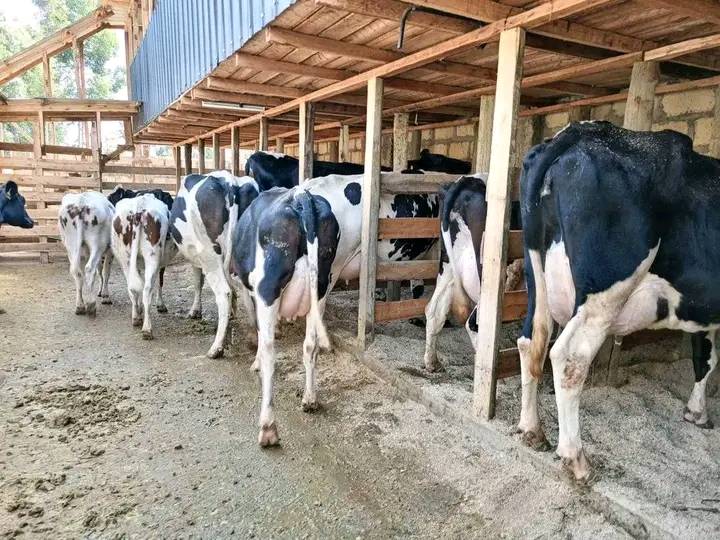


Kathmandu. Lumpy skin disease, a deadly disease seen in cows and buffaloes during the monsoon season, has already appeared in three districts at the beginning of the monsoon this year.
According to the Department of Animal Services, the disease has been detected in cattle of Jhapa and Ilam in the east and Rukum in Karnali.


Technicians have suggested that adequate precautions should be taken in the cleanliness of the place where the snake is reared and the surroundings, as the bacteria of this disease is transmitted to the cows and buffaloes through the bite of mosquitoes, prawns and insects.
According to the Department, the disease has been detected in 174 calves in Jhapa and 15 calves under the age of one year in Ilam.
The targets of high fever, low consumption of feed water and reducing milk production are seen in cows and buffaloes infected with this disease. Along with this symptom, there are wounds with large blisters all over the body of the animal.
However, the Department of Animal Services has claimed that this time the infection will not take the form of an epidemic. The department believes that lumpy skin will not take the form of an epidemic as the federal government, state government and local governments have also helped in vaccinating cows and buffaloes for the relief of farmers.
Of the 1.4 million doses procured by the government, 1 million doses have already been sent to the states and cattle in the affected districts of Karnali state have already been vaccinated, according to the Department.
Lumpy skin is a deadly disease. Veterinarians have suggested that the cowsheds containing infected animals should be kept out of contact with other animals as the disease is transmitted from one animal to another through the bite of mosquitoes, shrimps and insects.
According to a study conducted by the Veterinary Council, the disease was first detected in Morang four years ago in 2077 BS. Due to lack of interest in controlling it on time, the farmers had to suffer a loss of more than Rs 74.67 billion during the outbreak that continued for almost two and a half years.