






Kathmandu. On the second day of the protests, the younger generation of youth, known as Gen G, who launched a movement against corruption, put forward regime change as their main agenda.
The youths who have come to the front of the agitation have demanded the resignation of the Prime Minister and the Chief Minister of the province and the formation of an interim government under the leadership of the youth. The youth student body played a decisive role in the people’s movement in Bangladesh a year ago. More than 250 civilians were killed in the protests, forcing Prime Minister Sheikh Hasina to flee the country. The interim government is now led by Nobel laureate Dr. Muhammad Yunus was doing it.

Youth movements are a recurring phenomenon in many developing countries, often driven by a mix of economic frustration, political grievances, and a desire for greater accountability. When comparing the recent youth movement in Nepal with the previous movements in Bangladesh, there are some striking similarities. Along with the similarities, there are some differences, which provide exemplary insight into the dynamics of youth-led movements in South Asia.
Nepal’s Current Youth Movement: A Call for Governance and Opportunity:
}
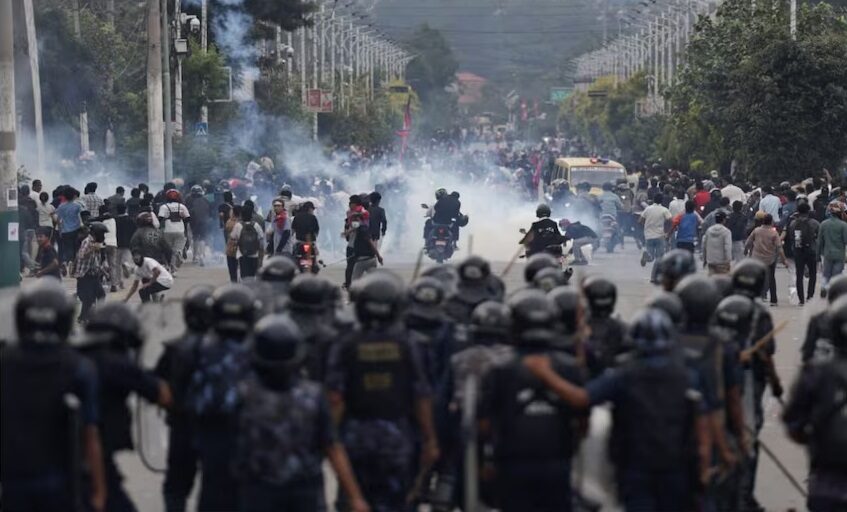
A day after CPN-UML Chairman KP Sharma Oli got the statute amended to allow him to remain the party chairman for life, a youth demonstration took place a day after the party’s general convention failed to amend the party’s statute. The government has brutally suppressed peaceful demonstrations and has resulted in the untimely death of 19 young people. Every Nepali has wept with this tragic incident.
Nepal’s recent youth mobilization, which often appears in various forms, from street protests to online campaigns, is largely the result of widespread dissatisfaction with government performance, corruption, and perceived lack of economic opportunities. Young people, who make up a significant portion of the population, continue to feel particularly marginalized despite their increasing educational achievement.
According to the 2011 census, the age group of 16 to 25 years accounts for 42 percent of the total population of Nepal. One of the main issues of the youth occupying such a large share is the high unemployment rate and the difficulty of educated youth to find suitable jobs within the country. Against such a backdrop, there is a large exodus of young people looking for work abroad. This brain drain adds to the feelings of hopelessness for the remainder.
Moreover, the rampant corruption in political circles and public institutions has instilled a deep distrust in the minds of the general public towards the state system. While young people have often been demanding more transparency, accountability and more equitable distribution of resources from political leaders, their demands have not reached the deaf ears of those in power.
In this context, the youths have portrayed the children of Nepal’s high-ranking government officials and political party leadership, known as elite families, as nepo babies, and have raised many unanswered questions of the general public by highlighting their luxurious lifestyle on social media. The government, frightened by the youth’s campaign, has censored and shut down all content related to Nepo Baby on TikTok.
Clear similarities between youth movements in Nepal and Bangladesh:
Frustration with governance: Both movements are fundamentally motivated by deep frustration with outdated governance structures, whether it be corruption, lack of accountability, or inefficient public services.
Demand for opportunities based on merit: In both countries, young people are increasingly demanding a system that rewards merit and makes opportunities accessible to all, rather than being guided by relationships or outdated policies.
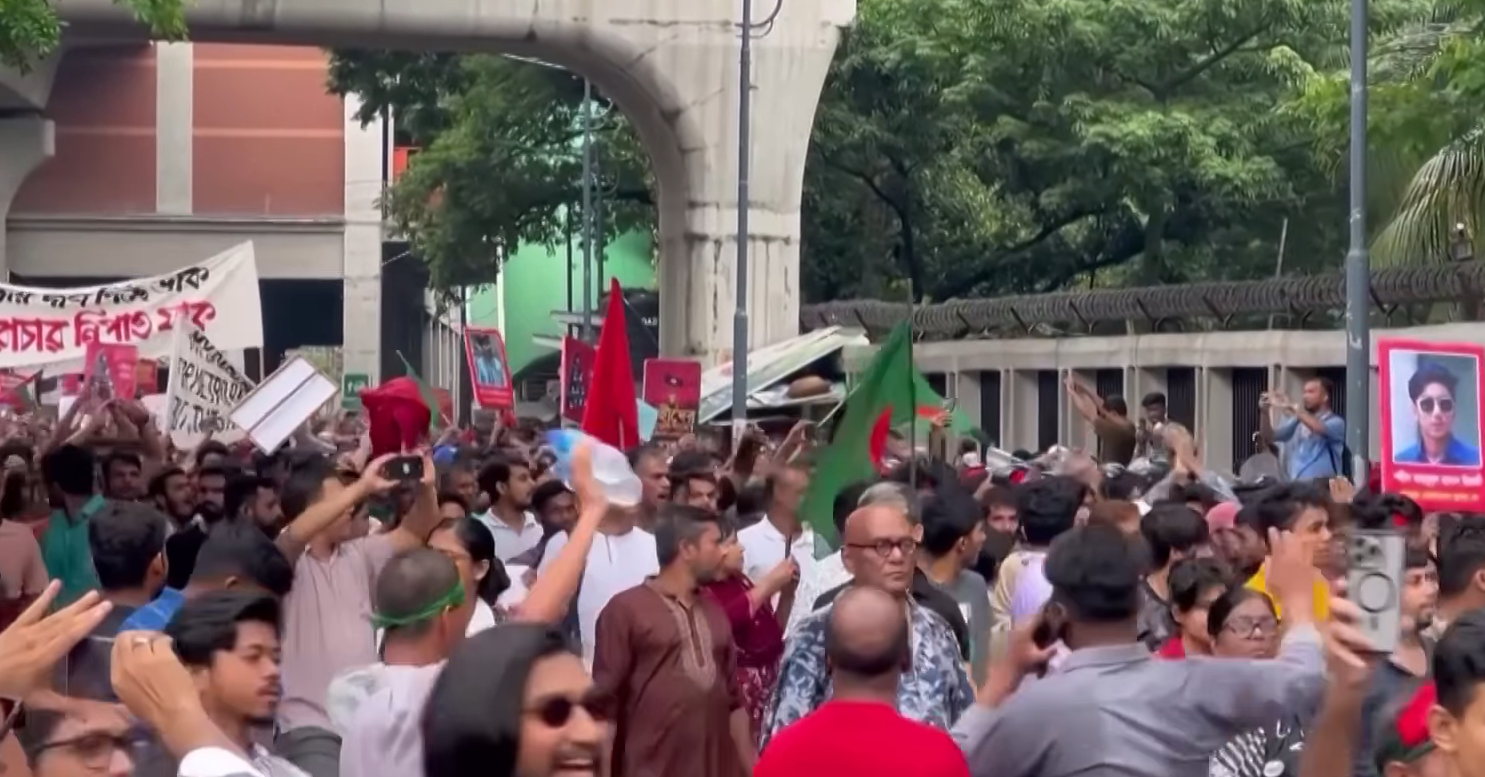
The Power of Digital Mobilization: Social networks and digital platforms have played an important role in organizing, disseminating information, and mobilizing support for these movements in both nations. This has facilitated faster deployment and greater access.
Desire for Systemic Change: Beyond specific demands, both movements reflect a broader desire among youth for systemic changes that will lead to a more just, equitable, and prosperous society.
Glimpses of the Bangladeshi July Revolution:
}
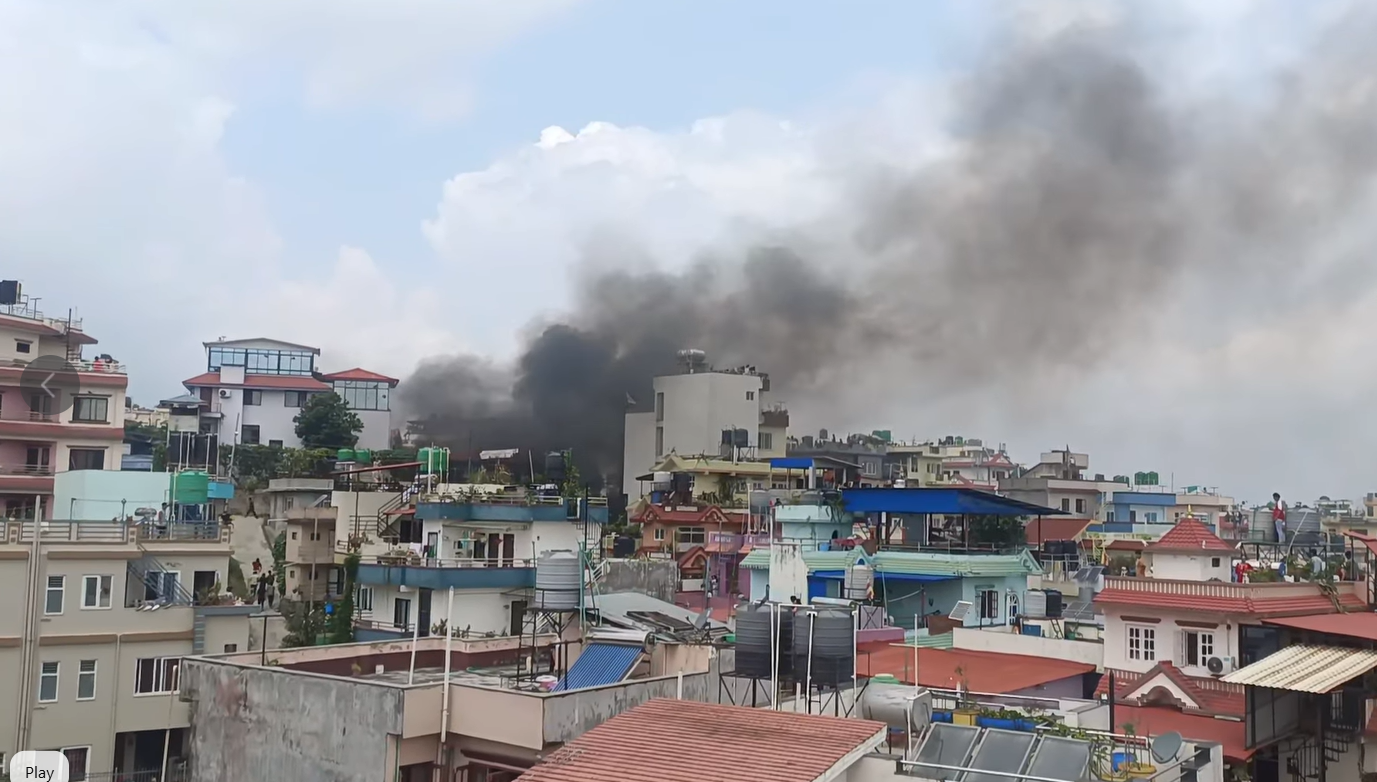
The two-month-long mass uprising, which began in July 2024, targeted the homes, buildings and business establishments of ruling political parties and businessmen who have benefited from them. They were on fire. The same scene has been seen not only in Kathmandu but also in Dhangadhi, Jhapa and Chitwan since Tuesday morning. The houses of Sher Bahadur Deuba at Budhanilkantha, Ramesh Lekhak at Naikap, Pushpa Kamal Dahal at Khumaltar and Prithvi Subba Gurung’s residence at Sunakothi were set on fire.
The protestors have also targeted Prime Minister KP Sharma Oli’s residence at Balkot, Bhaktapur. The residence of former Communications Minister and Oli’s confidante Gokul Baskota was also vandalized in Bhaktapur.
Residents of the capital looked up from the rooftops of their houses and saw smoke all around. The scene is similar to the one that took place in Bangladesh in July.
Conclusion
}
Youth movements in Nepal and Bangladesh, despite their unique contexts, serve as powerful reminders of the demographic dividend and the potential for transformative change within the nation’s youth population.
They stress the critical need for the government to address the core grievances of its youth – ensuring economic opportunities, promoting good governance, addressing corruption, and creating a more inclusive and deserving society.
Ignoring these voices only adds to the potential for more widespread unrest.
Prime Minister KP Sharma Oli has no option but to leave India in a military plane like Sheikh Hasina from the Baluwatar helipad or publicly apologize and resign. Nepali citizens are no longer ready to pay a heavy price for his stubbornness.